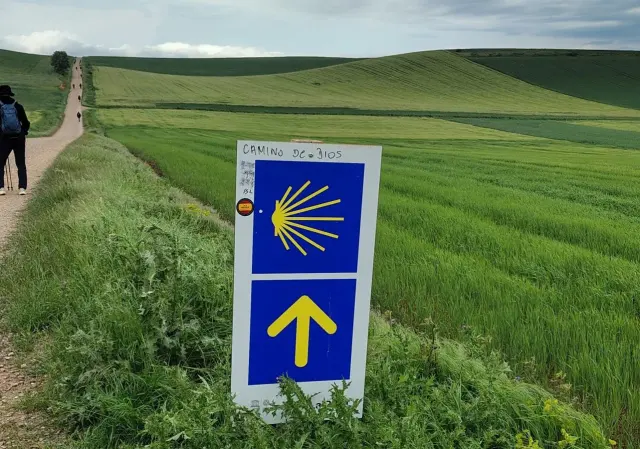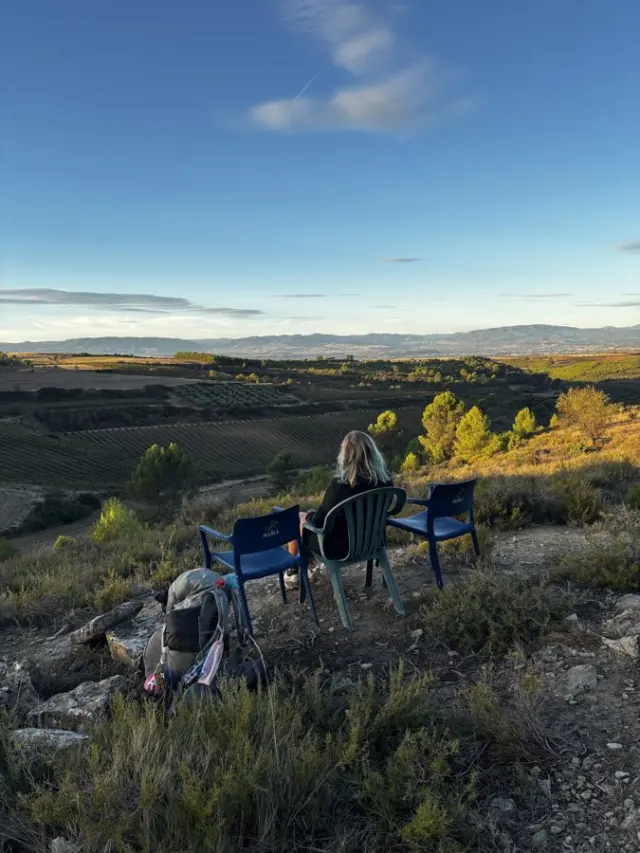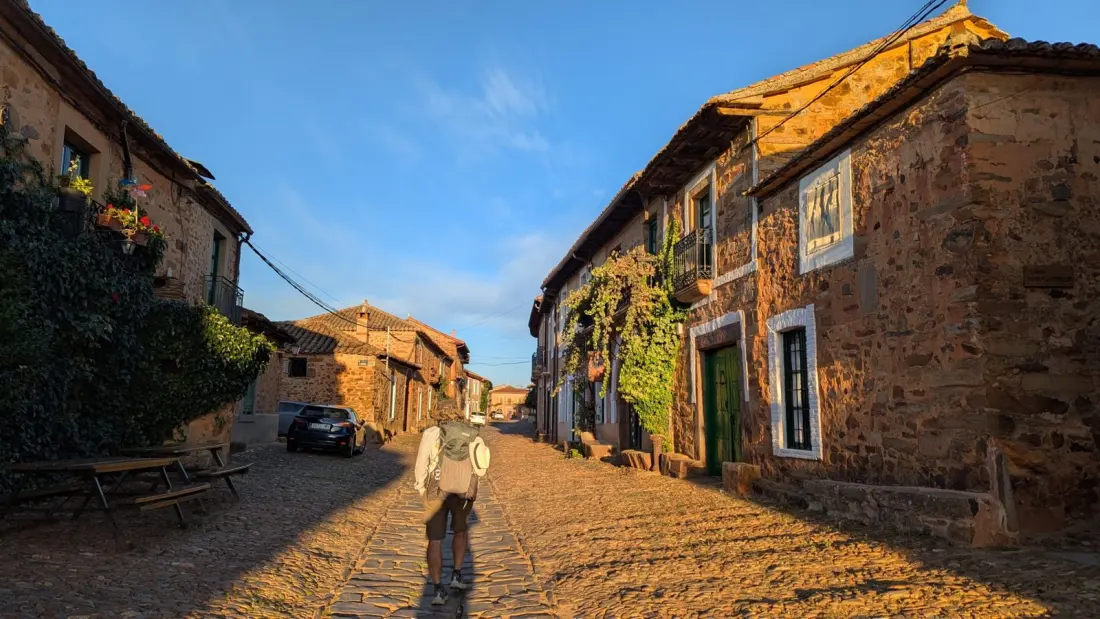
Day 12 of a Camino Francés walk starts before sunrise in Astorga, with pilgrims climbing out of the flat Meseta into cooler, hillier country under a full moon. Instead of following the main route, the writers take a quieter alternate path through hedgerows — and stumble into one of the strangest villages of their walk: a historic stone town so perfectly preserved and so empty at 8.30 on a Saturday morning that they compare it to a place abandoned for generations. Every hotel, albergue and church is shut; not even a rooster stirs. The town turns out to be a protected heritage site frozen in time, and it has exactly zero coffee. Caffeine headaches reach emergency levels, and breakfast is instant coffee mixed in water bottles, drunk cold on a bench.
The day improves at the next village up, where cafés, guitars and the ever-shifting community of fellow walkers converge. The writers share their Camino social taxonomy: pilgrims you get to know, and "NPCs" — the non-player characters who fill tables and never chat. Their rule of thumb: a real pilgrim buses their table.
The day's original plan was two nights with the Benedictine monks in Rabanal del Camino. That ends abruptly at the monastery doorbell: "Not possible," says the intercom, before any explanation. Word on the trail all day had been about bedbugs in Rabanal's hostels, so the writers take the municipal albergue next door — Gaucelmo Shelter, a donativo run since 1991 by the Confraternity of St James and staffed by volunteers, this year including Susanna from the UK, on her eighth season, proudly armed with a spin dryer that wrings a quart of water from hand-washed clothes. No top bunks for couples, a big courtyard, washing stations and a kitchen make it a calm base.
The monastery mystery resolves itself at 5pm tea and biscuits: Brother Antoine, the prior, is from Togo, and the community is closing for a few weeks, hence the turnaway. The evening delivers the full monastic experience anyway — Vespers, a pilgrims' blessing after Compline at "hiker midnight" (9pm), and Latin chanting that doubles as a lullaby. There's also a big vegetable pasta dinner cooked for the albergue, with leftovers finishing off by a hungry young pilgrim. The Camino provides.
For anyone walking the Francés, this stretch matters: it's the approach to Cruz de Ferro, the iconic iron cross where pilgrims leave stones, coming the next day. The practical takeaways are real — alternate routes out of Astorga are quiet but can be coffee-free, Rabanal fills up and its hostel reputation varies wildly, and donativo shelters like Gaucelmo offer genuine community, washing gear and an honest place to sleep in exchange for a donation. Book the monastery experience ahead, and check whether it's even open.
Why it's worth reading: it captures the small-knit social world of a long-distance walk — same pace, same cafés, same faces — and the mix of discomfort, luck and hospitality that defines the Camino.