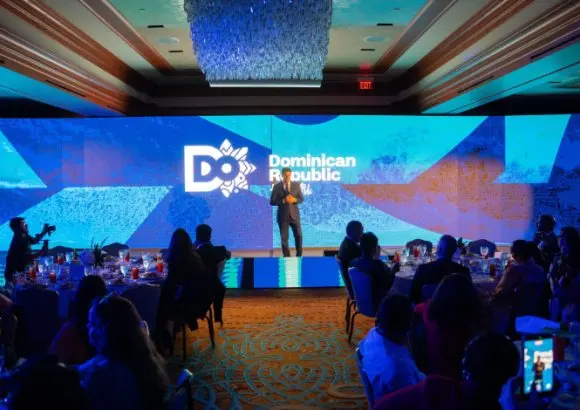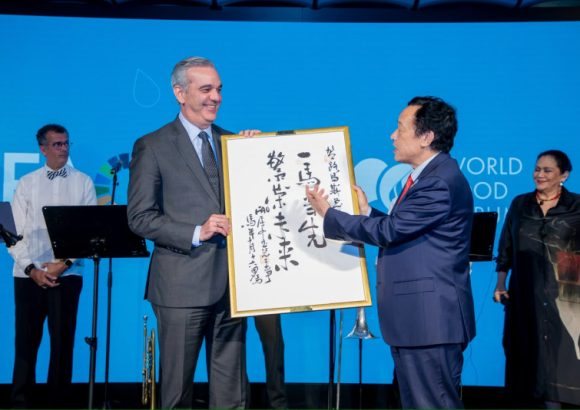
The Dominican Republic has picked up an unusual travel-adjacent milestone: the United Nations' Food and Agriculture Organization has formally recognised the country for getting itself off the global Hunger Map. FAO Director-General Qu Dongyu handed the recognition to President Luis Abinader at the closing ceremony of the World Food Forum 2026 in Rome, crediting his government's agricultural and social policies for improving food access and strengthening national production. First Lady Raquel Arbaje joined him for the occasion.
Why does this matter beyond the podium? The Hunger Map tracks countries where a significant share of the population is undernourished, so being removed from it signals real progress in how a nation feeds itself. For a country like the Dominican Republic — where tourism and agriculture are deeply intertwined, and where visitors eat avocados, plantains, cacao and rum grown on local soil — it's a marker of the same food system that fills resort buffets and roadside comedores alike.
The Rome event leaned heavily into Dominican culture, too. FAO's chief economist Máximo Torero invoked "Ojalá que llueva café", Juan Luis Guerra's beloved anthem about rural communities hoping for rain and prosperity, using it as a reminder of what farmers everywhere are still asking for: fair conditions, water, and climate resilience. Guerra himself appeared to explain the song's meaning, and singer Maridalia Hernández closed the forum with a live rendition — coffee-rain chorus and all.
For travellers, the takeaway is straightforward context. The DR has spent years repositioning itself from an all-inclusive beach destination to one where food tourism is growing: cacao farm tours in the northeast, coffee country around Jarabacoa and the Cordillera Central, and a capital whose dining scene has quietly become one of the Caribbean's most interesting. A country recognised on a world stage for food security is a country with something to show you about where its food comes from.
It's also worth noting the forum's broader message — that transforming how the world grows and shares food requires both policy and culture. The Dominican delegation managed to bring both, which is more than most podium appearances can claim.