
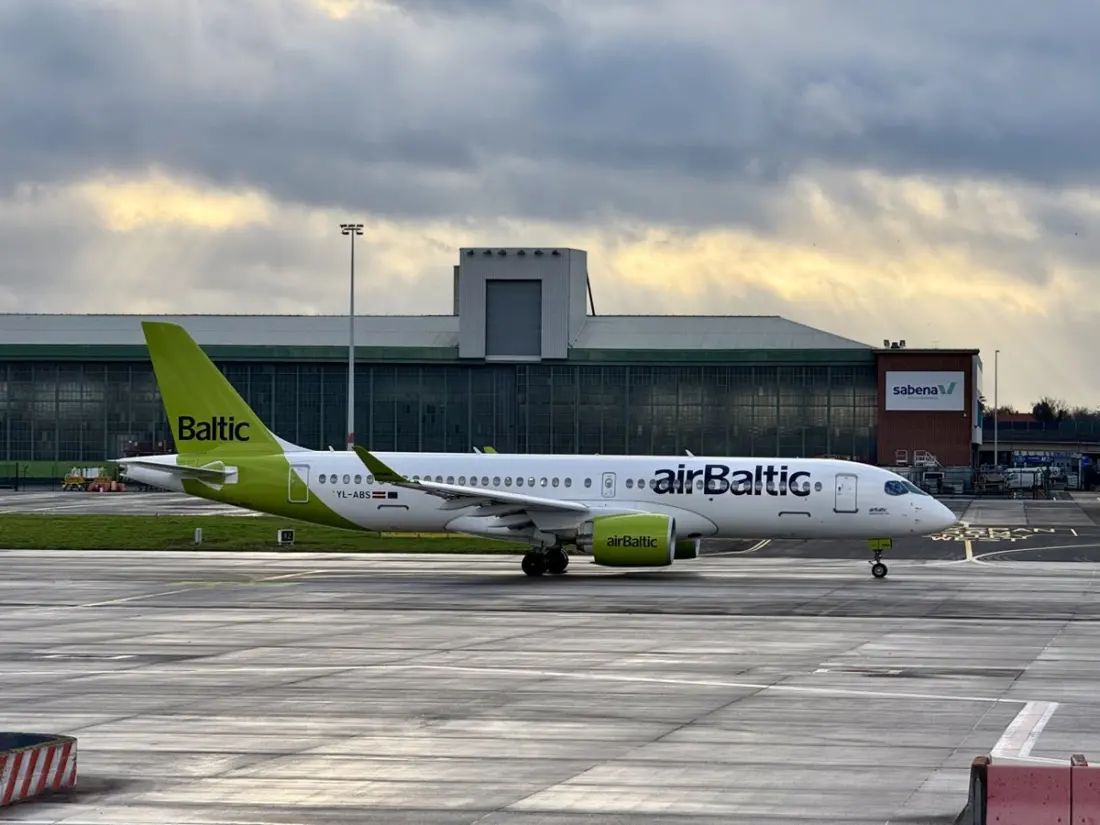
Latvia's flag carrier airBaltic has filed for Chapter 11 bankruptcy protection in a New York court, a dramatic move designed to restructure its debts rather than shut the airline down. Flights are operating as scheduled, tickets remain valid, and the airline says travellers need to do nothing differently.
So what went wrong? airBaltic bet big on an all-Airbus A220-300 fleet and on Riga as a connecting hub between the Baltics, Russia, Belarus and Ukraine. When Russia invaded Ukraine, a huge chunk of that connecting traffic evaporated — leaving the airline with 54 modern jets to serve a home country of under two million people. The Latvian Prime Minister Andris Kulbergs has suggested roughly 30 aircraft would be enough for the Baltic market. airBaltic was planning 100 by 2030.
Wet-leasing aircraft to Lufthansa Group and others brought in revenue but never fixed the core mismatch. Then came a fuel shock: jet fuel costs have reportedly doubled, and the airline cracked. An attempt to raise 257 million euros in new debt at a 25% interest rate was rejected by bondholders representing over 70% of its outstanding debt, who reportedly preferred liquidation. airBaltic went to court instead.
There is a lifeline. A group of lenders including Barclays, Morgan Stanley, Oaktree, Hayfin and Strategic Value Partners has committed 350 million euros (about $405 million) in bankruptcy financing — at around 12% interest — to keep salaries paid and aircraft flying, pending court approval. The airline has disclosed roughly $583 million in funded debt and lease obligations, plus another 106 million euros in unpaid taxes and fees. It targets 44 million euros in annual profit improvements and hopes to exit the process by June 2027.
The wildcard is Lufthansa, which holds a 10% stake via convertible shares and values airBaltic's A220 fleet and trained crews. Chapter 11 could dilute that stake — or hand Lufthansa a chance to deepen its influence. For now, there's no sign the German group intends a rescue or takeover.
For travellers, the practical picture is calm for now: bookings are being accepted, customer service continues, and the airline's network across the Baltic states and Europe keeps running. The longer-term question is what a slimmed-down airBaltic looks like — a smaller fleet could eventually mean fewer routes or frequencies out of Riga, Vilnius and Tallinn, so it's worth keeping an eye on schedule changes if you're planning a Baltic trip well in advance.