
EasyJet's holidays arm made £250 million in pretax profit last year — that's nearly 38% of the whole group's earnings, and the £60 million jump in profit from holidays actually exceeded the airline group's entire £55 million earnings increase. Selling you the hotel, transfers and activities around your flight is no longer a side hustle; for some airlines it's the engine.
The numbers come from the latest IdeaWorks Yearbook of Airline Ancillary Revenue, which tracks how carriers squeeze extra revenue out of things passengers genuinely want. EasyJet holidays served 3.09 million customers in fiscal 2025, up 20%, on £1.44 billion of revenue excluding flights. The playbook works because the airline already knows where and when you're flying, so it can bundle a competitively negotiated hotel rate with the flight and make the discounting opaque enough to please everyone.
But the appeal is very market-specific. Around 20% of UK travellers heading to beach destinations buy an easyJet holiday, versus just 5% for UK city trips — and barely 1% or less for continental Europeans. A family on a sun holiday and a business traveller crashing on a relative's sofa are very different customers.
Southwest wants in on this. Its in-house Getaways product launched in August 2025, replacing an outsourced programme, and comes with real perks: two free checked bags, five Rapid Rewards points per dollar on eligible spend, and cancellation credits valid for 18 months. Notably, the airline has gone quiet on how the business is actually performing — it doesn't feature in the latest quarterly earnings release — so it's unclear whether heavy promotions like a $500-off deal in September signal success or struggle. Either way, travellers can win: packages have occasionally cost less than the flights alone.
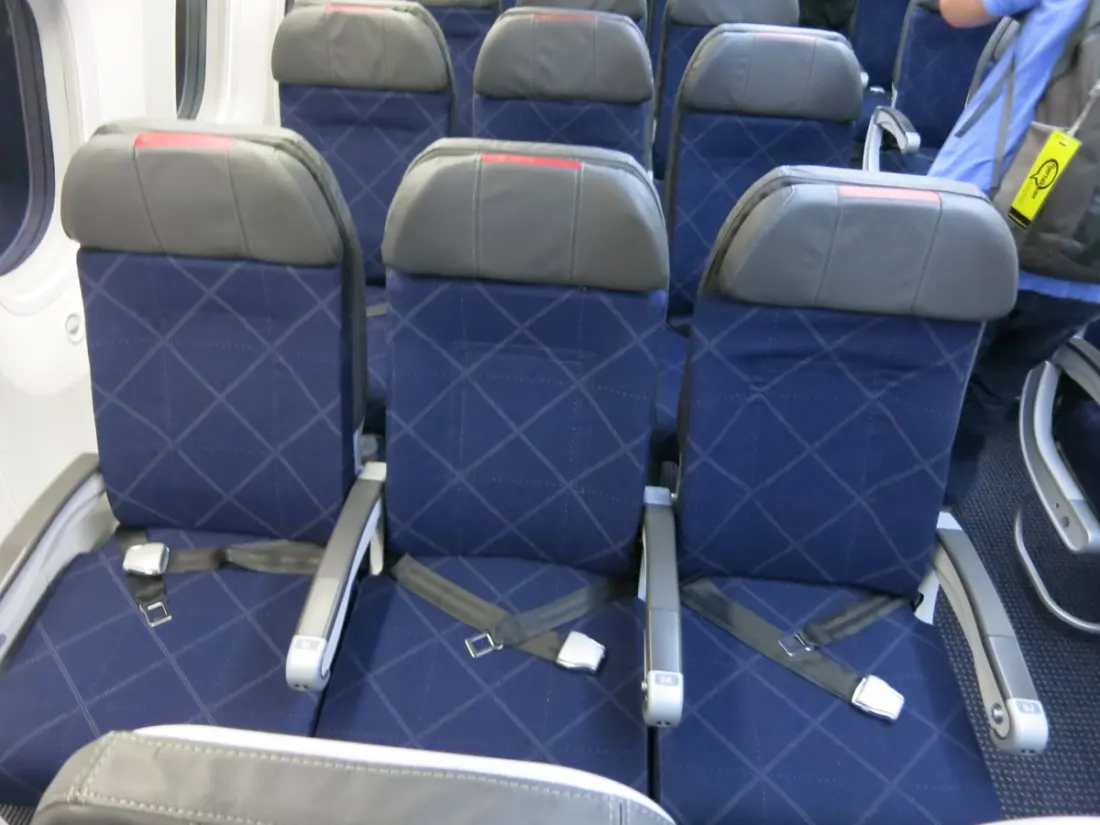
The yearbook also highlights smaller perks worth knowing about. TAP Air Portugal and others sell you the empty adjacent seat at check-in if it's free; among US carriers, only United lets you buy an extra seat for space online. Transavia caps sales of its Smart fare (which includes an overhead cabin bag) to actual bin capacity, so the benefit is genuinely guaranteed. Most intriguing: Viva Aerobus and Transavia will buy back tickets you can't use. Transavia's resale scheme returns up to 50% of the fare plus a full refund of airport taxes, paid to your original payment method, if requested at least 12 hours before departure. The airline then resells the seat, potentially at a juicy last-minute fare — you get something instead of nothing.
Why does this matter to holidaymakers? Because the same forces that pad airline margins can pad your wallet or your legroom. Package bundles sometimes undercut flights-only pricing, empty-seat sales offer economy comfort without business-class prices, and buyback schemes give you an exit from plans that fall through. It's worth comparing the bundle against booking the parts separately — and checking whether that free-bag or seat-next-to-you option is hiding in the booking flow.