
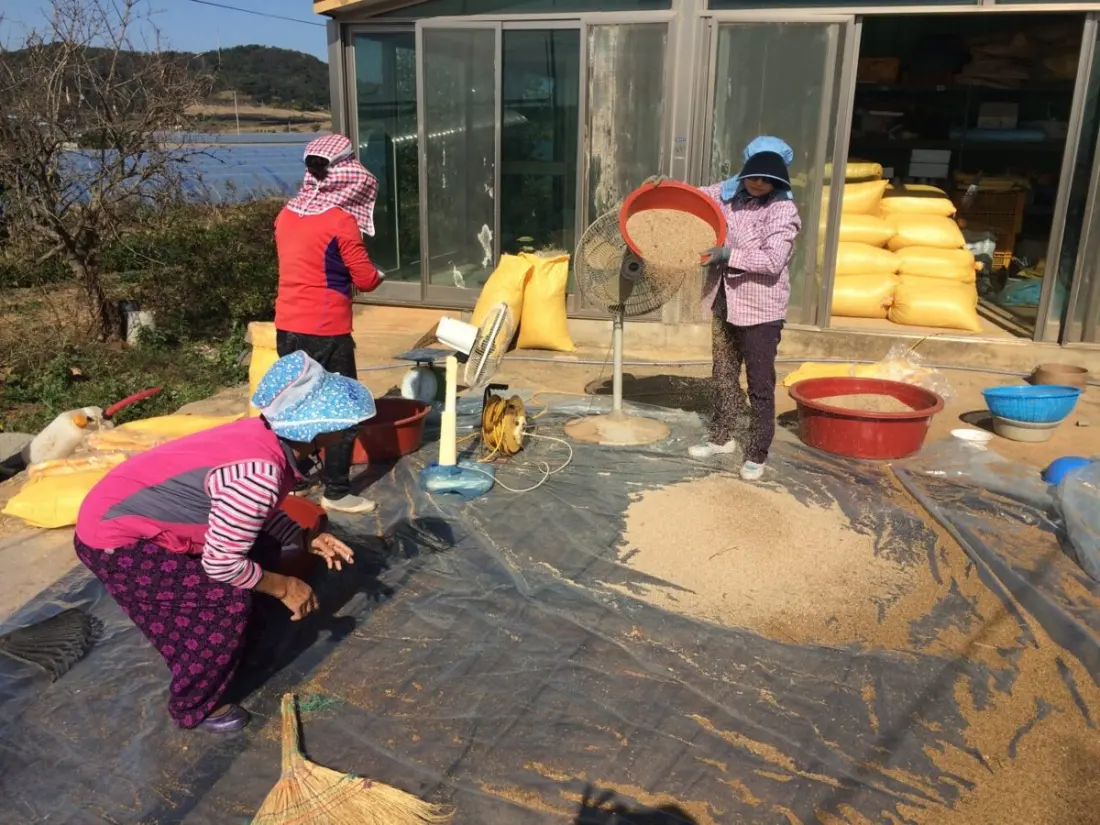
Most of us grab sesame oil off a supermarket shelf without a second thought. A Seoul producer called Queensbucket wants to change that, asking a deceptively simple question: what would happen if sesame and perilla oils were treated with the same care and craft that European producers lavish on extra-virgin olive oil?
That framing, explored in a recent feature by food and culture magazine Roads & Kingdoms, gets at something bigger than one brand. Toasted sesame oil is the background note in so many Asian kitchens — the final drizzle over Korean bibimbap, the finishing touch on noodles and stews. Perilla oil, pressed from a leafy herb in the same family as shiso, plays a similar quiet role, especially in Korean home cooking, where it has long been valued for its nutty, grassy depth. Yet both are usually sold as cheap, generic commodities, with little information about where the seeds were grown, how they were pressed, or how fresh the bottle is.
The olive oil comparison is a useful one. Over the past few decades, extra-virgin olive oil has gone through its own revolution: single-origin bottlings, harvest dates on labels, small-batch milling, tastings that treat oil like wine. That shift created a premium market where provenance and freshness justify real prices — and turned a pantry staple into something travellers seek out, visit, and bring home from places like Puglia or Andalusia. Queensbucket's pitch is that sesame, a seed with an equally rich story across Korea and wider Asia, deserves the same upgrade.
For food-focused travellers, Seoul is a natural place to watch this happen. The city's dining scene already draws visitors for its night markets, barbecue halls and temple food tradition, and Korean cuisine's reliance on quality oils and condiments is part of what makes those meals sing. A producer taking sesame seriously — sourcing seeds carefully, pressing in small quantities, thinking about how oil fades with time and heat — is a small story with a telling signal: Korean ingredients are being treated with the same respect as the country's more famous exports, from gochujang to kimchi.
The Roads & Kingdoms piece sits behind its membership paywall, so the finer details of Queensbucket's process and the writer's tasting notes aren't fully available here. But the core idea is clear and worth noting for anyone planning a food trip to Seoul: the next wave of Korean culinary craft may be happening not at the stove, but at the press. If your travels take you to Korea's markets or specialty food shops, it's worth looking beyond the usual souvenir jars and paying attention to small-batch oils — how they smell, how fresh they seem, and where they come from. It might change how you cook when you get home, too.