
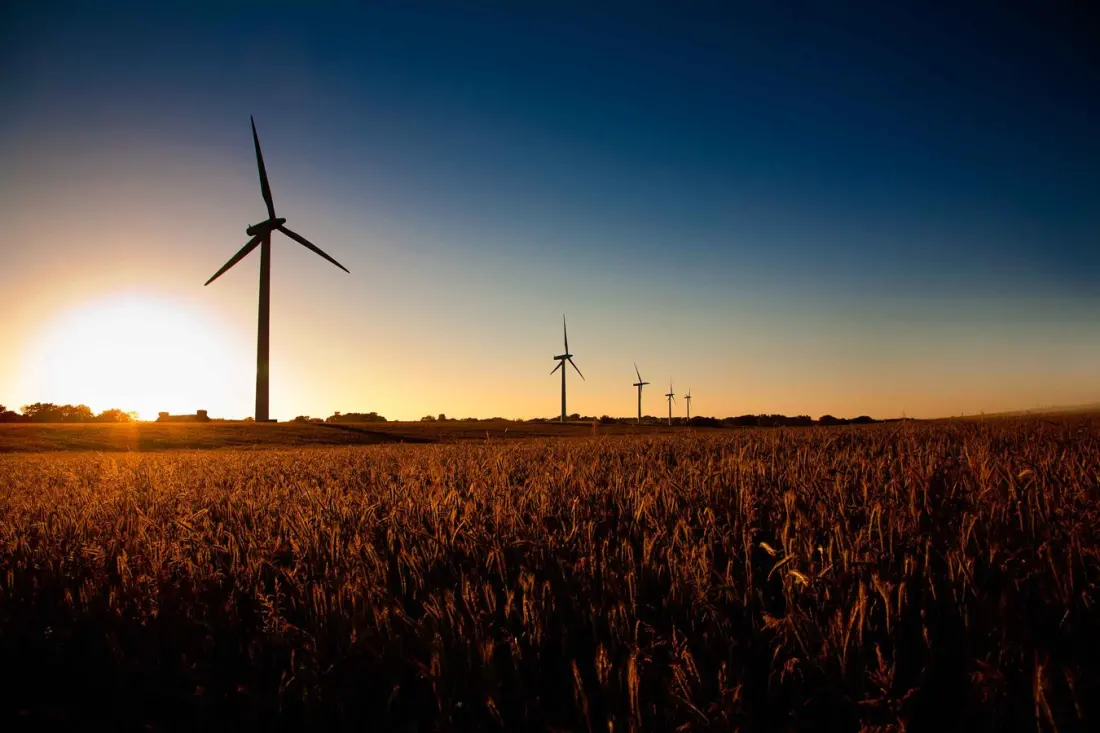
Samsø, a small island in Denmark's Kattegat strait, has spent the last two decades as something of a sustainability poster child. It famously went carbon-negative in under ten years, running on wind power and biomass while actually offsetting more carbon than it produces. Now the locals have turned their attention from the air to the sea.
The latest project is BARREEF, an artificial reef built near the harbour village of Ballen on the island's east coast. Construction used around 6,000 tonnes of granite waste bought from Norwegian quarries — stone that would otherwise have been discarded — and dropped it onto the sandy seafloor to create the kind of rocky habitat that fish and algae struggle to find in these waters. Buoys mark the zone today; sailing is prohibited around it, so the reef is off-limits to boats even as it works its quiet magic.
It's early, but the signs are promising. Underwater cameras have already recorded algae settling in, along with fish species such as goby and wrasse — small but meaningful returns for an area where marine life has thinned out. The reef isn't designed as a tourist attraction, but that's exactly the point: it's restoration first, with the potential for snorkellers, divers and paddleboarders to benefit down the line as the ecosystem matures.
BARREEF isn't the only reason to get in the water here. Samsø is also home to the Labyrinten, an underwater installation intended as an attraction for swimmers and divers — a maze you can explore beneath the surface. Fair warning from the writer behind the original story: even in May, the water sits around eight degrees Celsius (46°F), warm enough for a dip but brisk enough to keep most heads firmly above the surface. Summer is a different story, when the Kattegat warms up enough to make a proper dive realistic.
For travellers, Samsø offers a rare combination: an island that has genuinely walked the sustainability talk, plus a growing list of reasons to explore it beyond cycling past wind turbines and farm shops. You can combine the usual Danish island pleasures — slow cycling routes, local food, sleepy harbours — with a front-row look at a community actively rebuilding its marine environment. Divers and snorkellers in particular should keep an eye on the reef's progress; if the fish keep moving in, a trip in a few years' time could be genuinely rewarding.
It's a neat story in miniature: an island that cleaned up its energy, then turned quarry leftovers into a fish nursery. Not every destination can claim that.