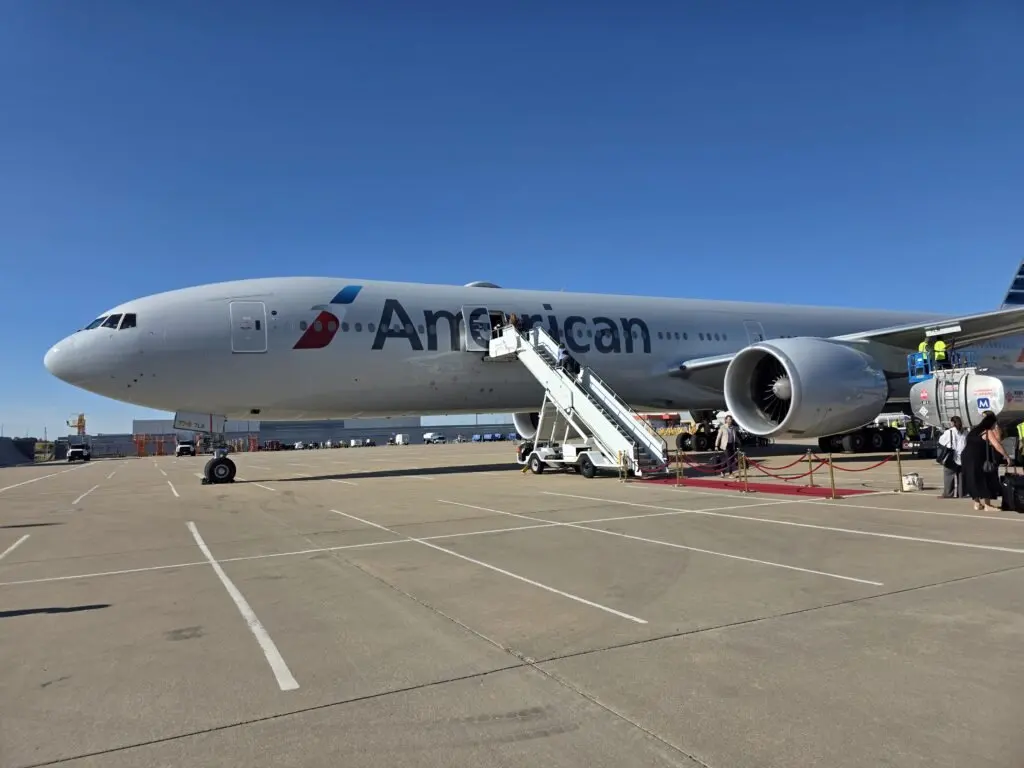
A mileage pricing glitch at American Airlines has turned into a test case about whether carriers have to follow the cancellation rules they write for themselves.
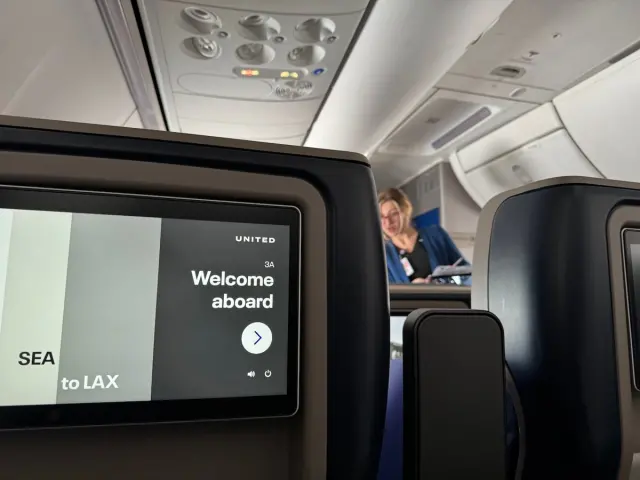
For a stretch recently, American's multi-city award search was pricing some international itineraries at the cost of just the first domestic segment. One traveller — View from the Wing's Ben Schlappig — booked three round trips at those rates: a family trip to Australia costing 24,500 miles outbound plus 10,000 back in Pacific business class, an Italy trip at 12,500 miles each way with transatlantic business class, and a New York flight that happened to include American's Flagship First Class on the A321T. He knew the prices were too good to be true, but airlines sometimes honor deals like this — American famously let $450 business class tickets to China stand.
This time it didn't. American says it spotted the error two days after booking, but didn't cancel the tickets until nearly three weeks later. That timing matters, because the airline's own contract of carriage promises to void a mistaken-fare ticket, refund the customer and give notice within 72 hours of discovering the error. The US Department of Transportation's general policy on mistake fares allows airlines to cancel — but only if they demonstrate the mistake, refund the ticket and reimburse verifiable expenses, all in line with their own procedures.
When Schlappig filed a DOT complaint over the late cancellations, American's lawyers responded with a narrower argument: the AAdvantage program terms let the airline revoke any benefit issued in error, even after redemption, and that's "the beginning and the end of the case." The problem, as the complaint points out, is that the same program rules say award travel is governed by the operating airline's contract of carriage and tariffs — and where general program terms conflict with a service-specific agreement, the specific one wins. In other words, the 72-hour rule should apply. The response never explains otherwise.
There's also an awkward detail: the opening section of American's filing appears lifted from an answer it submitted in a different passenger's complaint days earlier, right down to an example about that passenger's bookings — eleven awards for sixteen tickets — which have nothing to do with this case.
The traveller has now asked the DOT for permission to reply, arguing the department has previously gone after airlines for publishing passenger protections in one document while relying on conflicting terms in another. That's exactly what happened with Alitalia, which was fined for the same pattern.
Why should you care? If you snag a mistake fare, the practical rule of thumb remains: don't build non-refundable plans around it immediately, since airlines can cancel — but they should do it quickly. This complaint is really about whether carriers can hide behind blanket revocation rights while ignoring the deadlines they published. The DOT's answer could set a precedent for every future glitch fare on a US airline.