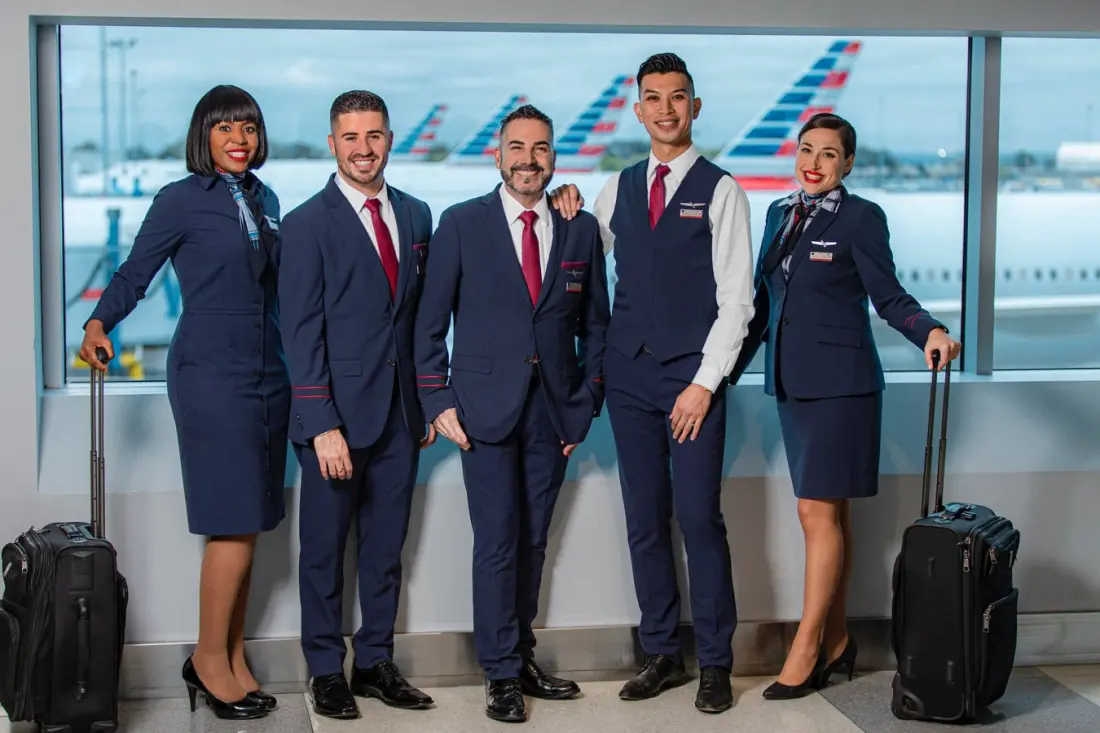
American Airlines has started coaching its cabin crew to sell the Citi co-branded credit card more aggressively in the aisle — and one detail from the training stands out. A slide from recent sessions tells flight attendants that when a passenger asks about the card, they should answer loudly enough that people in nearby seats can hear. The logic: even if you declined the brochure, someone else's question becomes a second chance to sell to you.
The training material lays out six tips, framed as best practices from crew members themselves. Beyond projecting your voice, they include using personal anecdotes about family, friends or other cardmembers to illustrate the card's benefits, knowing the brochure cold, coordinating with other crew on who makes the announcement and who works the aisle, keeping cabin lights on when pitching, and never retaining or photographing applicants' personal information.
Why the push? American's expanded exclusive deal with Citi — which consolidated the onboard channel previously split with Barclays — is reportedly structured more like a joint venture, giving the airline a direct share in the card business's economics: annual fees, interest and spending. Every approved application matters more now. The incentives have been ramping up all year: top onboard sellers earned a trip to Clearwater, Florida in May, and card approvals feed into flight attendant performance scoring.
Not everyone on board the idea is in the cabin. On October 15, the Association of Professional Flight Attendants objected to a 15-minute card-sales module being inserted into mandatory fourth-quarter training, arguing that required training should cover safety and the job itself — not selling financial products crew members haven't chosen to sell. Completing the module does come with a $25 qualification reward, and commissions on approvals are available to those who opt in.
There are internal contradictions, too. The official announcement must be read verbatim from an approved script, once per segment, lasting about a minute. Encouraging improvised personal stories sits awkwardly with that — especially when delivered at a volume meant for eavesdropping neighbours, which raises questions about unscripted claims (like overstated bonus values) reaching rows of passengers.
On the lights question, the guidance is less sinister than it first reads: crew are told to pitch during an already-illuminated part of the flight, not to switch lights on and wake a sleeping cabin. Separate guidance restricts announcements to cruise phase, before descent, roughly 8am to 9pm, and excludes red-eyes, delays and diversions.
For travellers, the practical upshot: if you fly American, expect the card pitch to be a fixture of the flight — United made similar onboard pitches mandatory back in 2018 under Scott Kirby, and they demonstrably work. They're also, by design, getting harder to tune out.