Belize's Department of Civil Aviation has kicked off a six-month technical study aimed at squeezing more capacity out of the country's existing airports and airspace — before anyone pours concrete on new runways. Launched on 10 November with international consultants Tetra Tech and The Aviation Group, the project will produce Belize's first Concept of Operations for inter-airport capacity and route efficiency.
The scope covers the country's main gateway, Philip S. W. Goldson International Airport (PGIA) near Belize City, plus the airports that keep the domestic network moving: San Pedro, Caye Caulker, Placencia, Dangriga, Corozal and the Sir Barry Bowen Municipal Airport. The PGIA–San Pedro corridor — the shuttle hop that ferries most visitors from the international airport to Ambergris Caye — gets particular attention, alongside international links to the US, Canada, Mexico and Central America.
Work unfolds in four phases: a short on-the-ground visit with stakeholder interviews and facility tours; an assessment of current and future demand, delays and peak-hour operations measured against International Civil Aviation Organization standards; a plan prioritising low-cost fixes over big capital projects; and a final roadmap handed to the regulator in person.
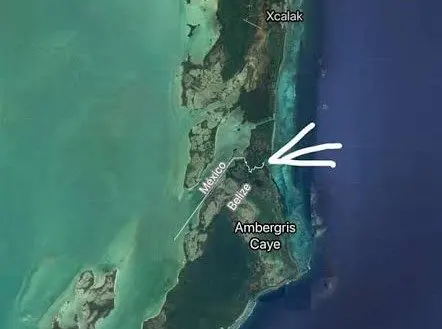
The timing is pointed. A proposed new airport on northern Ambergris Caye has drawn resistance from San Pedro residents and local leaders worried about environmental damage and overdevelopment on the island. By focusing on making existing runways and routes work harder, the study could either reduce pressure for new construction or, eventually, provide the evidence base for deciding whether extra infrastructure is genuinely needed.
For travellers, nothing changes in the short term — the BDCA says flight schedules and airport operations will not be affected. But if the study lands well, the payoff could be fewer delays on the busy PGIA–San Pedro shuttle, better coordination between airlines, airports and air navigation provider COCESNA, and a more reliable network for anyone planning the classic Belize itinerary of reef, rainforest and cayes.
Why it matters: Belize is unusually dependent on short domestic flights — destinations like Caye Caulker and Placencia are hard to reach any other way, so air traffic bottlenecks hit visitors directly. Anyone who has queued for a peak-hour hop to San Pedro knows the system is stretched. Efficiency gains here translate into smoother holidays, and the study's conclusions will shape what Belizean aviation looks like over the next decade.