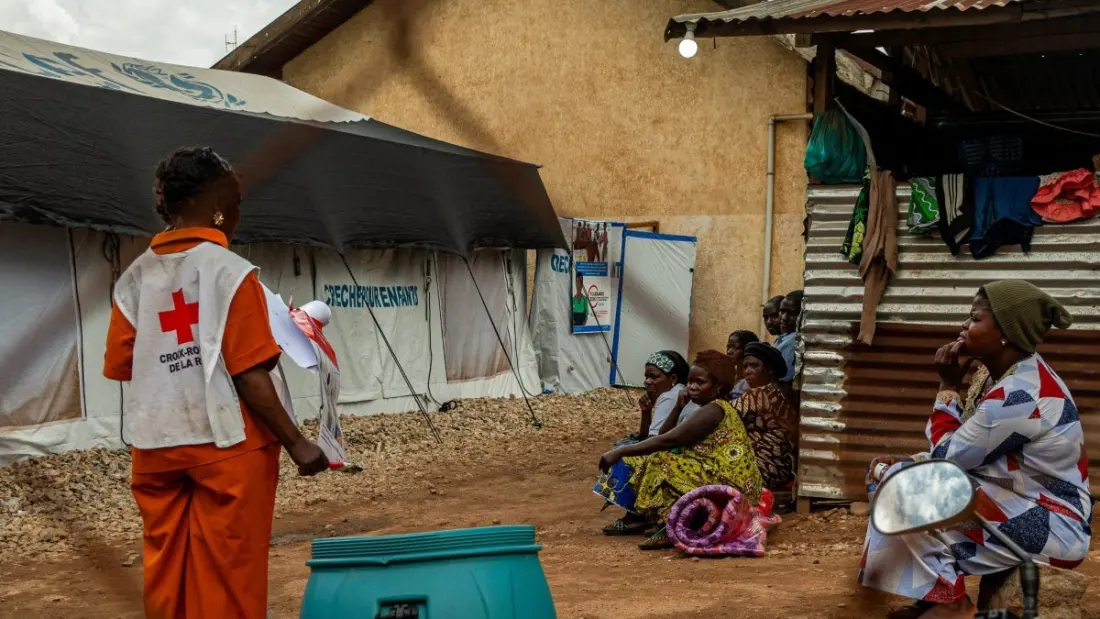
Six months after the Democratic Republic of Congo declared its largest-ever Ebola outbreak, the picture is split: infections are falling in some of the original hotspots, but the virus is gaining ground in remote rural communities where aid teams can barely operate.
UN emergency relief coordinator Chikwe Ihekweazu told reporters in Geneva that cases have dropped around Bunia and other early epicentres in Ituri province, with some treatment centres now running at half capacity. But he warned that "progress is fragile and not enough" — infections keep rising in isolated areas where rough terrain, weak infrastructure and insecurity slow down case-finding and treatment.
Security is now the deadliest factor. Julien Harneis, the UN's Ebola response coordinator in Bunia, said that in recent days more people were killed by the Allied Democratic Forces (ADF), an armed group linked to Islamic State, than by the virus itself. In early November, ADF fighters killed 66 civilians in eastern Congo, including three health workers, and looted and burned three medical facilities, according to Africa CDC. The attack caused patients — including suspected Ebola cases — to flee treatment centres, and more than 1,000 people being monitored for contact with the virus were lost to follow-up, with several confirmed cases unaccounted for.
The numbers behind the outbreak are stark. Declared on May 15, 2026 and caused by the Bundibugyo virus, it is the biggest Ebola outbreak in DRC's history and the second-largest globally. By mid-November there were more than 11,000 confirmed cases and over 5,400 deaths across eight provinces and roughly 68 health zones — a case fatality rate approaching 49%. Ituri remains the worst-hit province, but North Kivu has seen notable increases, and neighbouring countries have reported imported or secondary infections.
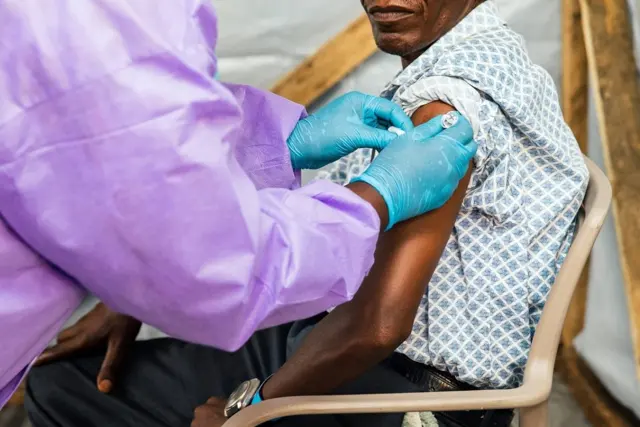
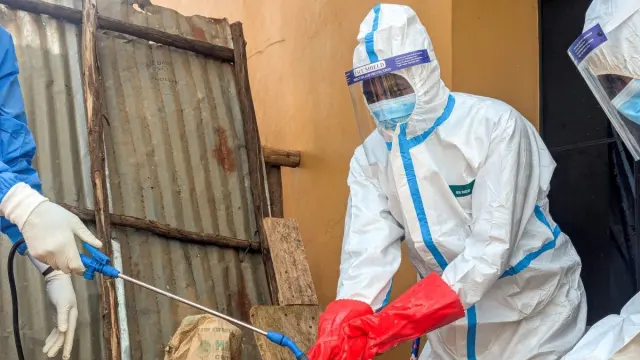
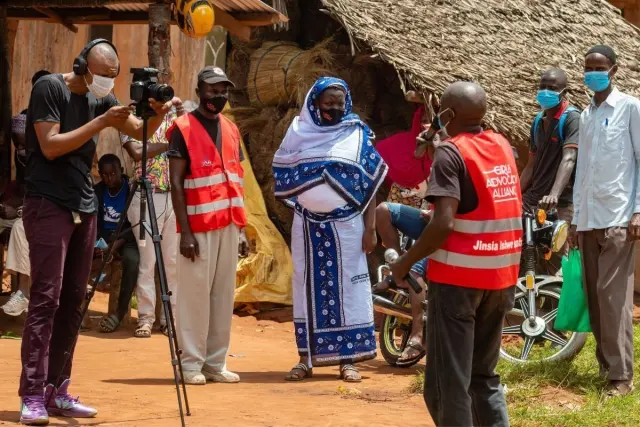
There has been real progress: more laboratories, more treatment beds, expanded community outreach and clinical trials of vaccines and treatments for Bundibugyo. The declines in Bunia, Mongbwalu, Rwampara and Nizi show containment measures can work. The problem is delivery — in territory threatened by armed groups, teams can't transport supplies, trace contacts or reach patients safely, and each attack on a health facility erodes community trust.
For travellers, the practical takeaway is straightforward: eastern DRC — Ituri and North Kivu in particular — is currently a no-go for reasons of both disease and security. Most governments already advise against all travel to the region, and the World Health Organization is urging faster responses in remote areas precisely because undetected cases there could spread the outbreak further. Anyone with trips planned elsewhere in the country should check their foreign office's latest DRC advice before booking, and watch for updates on cross-border screening with DRC's neighbours. This is a story to monitor, not one to travel into.