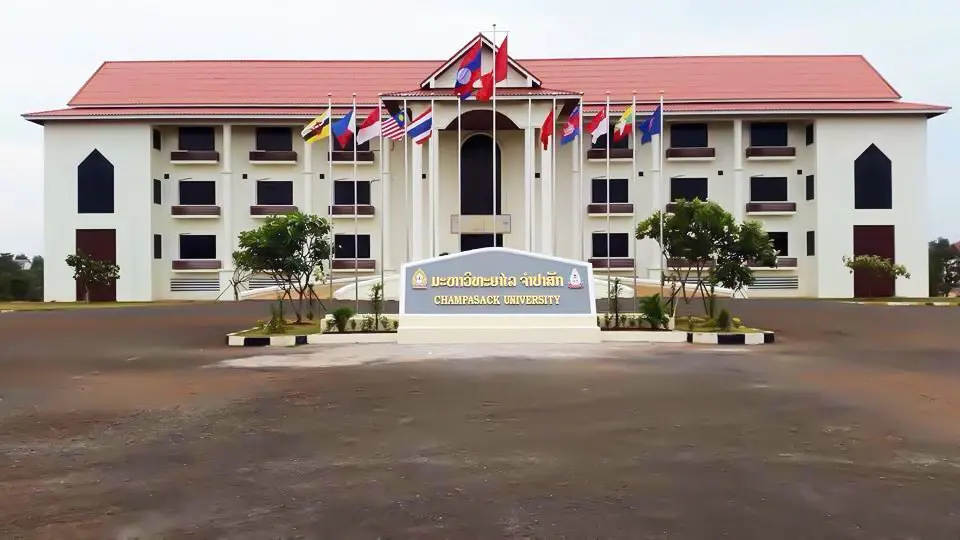
Local authorities in Laos' southern Champasak province have issued a formal notice ordering unauthorised occupants off land registered to Champasak University — a move that has sparked public debate about how long affected families have lived there and who qualifies for compensation.
The order, dated 29 October, applies to 1,088 hectares registered to the university under a state land title from 28 December 2016. People and organisations on the land without official permission must vacate and remove their buildings, with no compensation on offer for them. A separate group of 339 families has been approved for compensation and must relocate within three months of receiving payment, with 60.22 hectares set aside for their resettlement. Occupants of that resettlement area have two months from notice to leave.
There's a deadline looming for 83 of the compensated families who haven't yet submitted their documentation: they must report to the land dispute committee within a month with evidence supporting their claims, or risk losing their rights altogether. The notice warns that non-compliance could lead to legal action.
What has caught attention online is the backstory the notice doesn't address. Commenters have asked why authorities allowed homes to be built on the site in the first place, and why a university needs so much land. Some self-identified residents say their families settled in the area before the university even existed — one claims several households were there before 2000, well ahead of the 2016 land title. Others argue that pre-2016 settlers shouldn't automatically be classed as unauthorised. These accounts remain unverified, and the notice is silent on arrival dates, prior warnings, and how compensation recipients were chosen.
For travellers, the story is a window into the kinds of land-use tensions that shape fast-developing parts of Laos. Champasak itself remains one of the country's most rewarding southern provinces — home to the atmospheric Wat Phu temple complex, the quiet riverside town of Champasak, and the Bolaven Plateau's waterfalls and coffee farms.Visitors are unlikely to notice any direct impact, as the dispute concerns a university campus site rather than tourist areas, but it's a reminder that infrastructure expansion in Laos can move quickly and sometimes at residents' expense.