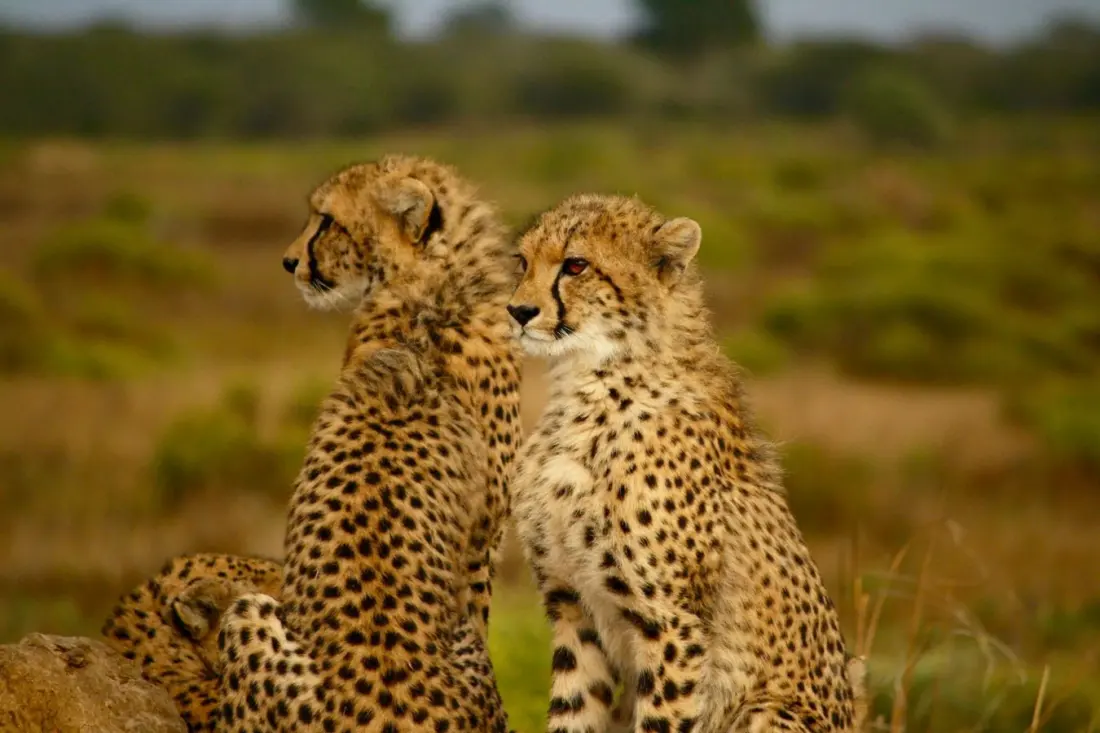
Pilanesberg National Park has two new residents: a pair of adult male cheetahs relocated from Madikwe Game Reserve, both in South Africa's North West province. The move took place on 23 September 2026, with the Endangered Wildlife Trust's Cheetah Conservation Project handling the logistics, and after roughly three weeks settling in a temporary enclosure, the pair were released into the park on 13 October.
The transfer wasn't just a shuffle of big cats between fences. Pilanesberg had two resident females and no resident males, so the arrival of these two gives the park's cheetah population a real shot at breeding. Since both cats came from a different reserve, the pairing also adds fresh genetic diversity — the whole point of the national programme that moves cheetahs between reserves to keep small populations healthy long-term.
The process itself was deliberately slow. A veterinary team health-checked both males before the journey and fitted them with tracking collars so researchers can follow their movements. And why the boma at all? Madikwe and Pilanesberg are close enough that cheetahs might simply try to head home. The animals have a strong homing instinct, so giving them time to acclimatise in a holding enclosure before release is standard practice to encourage them to stay put.
For visitors, this adds a genuine draw to an already popular park. Pilanesberg sits inside an ancient extinct volcano and is one of the most accessible big-game reserves in South Africa — it's close to both Johannesburg and Sun City, and hosts the Big Five alongside its cheetahs. A sighting of either of the newly released males would be a rare treat; they're collared, but they're newly exploring a large, hilly park and will be moving widely as they establish themselves. Tracking data from their collars may eventually help guides pinpoint where the cats are spending time.
Even if the cheetahs stay elusive, the story is a good reminder of why a game drive here feels meaningful: every sighting now ties into an active conservation effort spanning multiple South African reserves. If you're planning a North West safari, Pilanesberg offers self-drive routes, guided drives and a chance to see relocation-born results unfold in real time — just keep your camera ready and your expectations patient. Wild cats move on their own schedule, and that's rather the point.