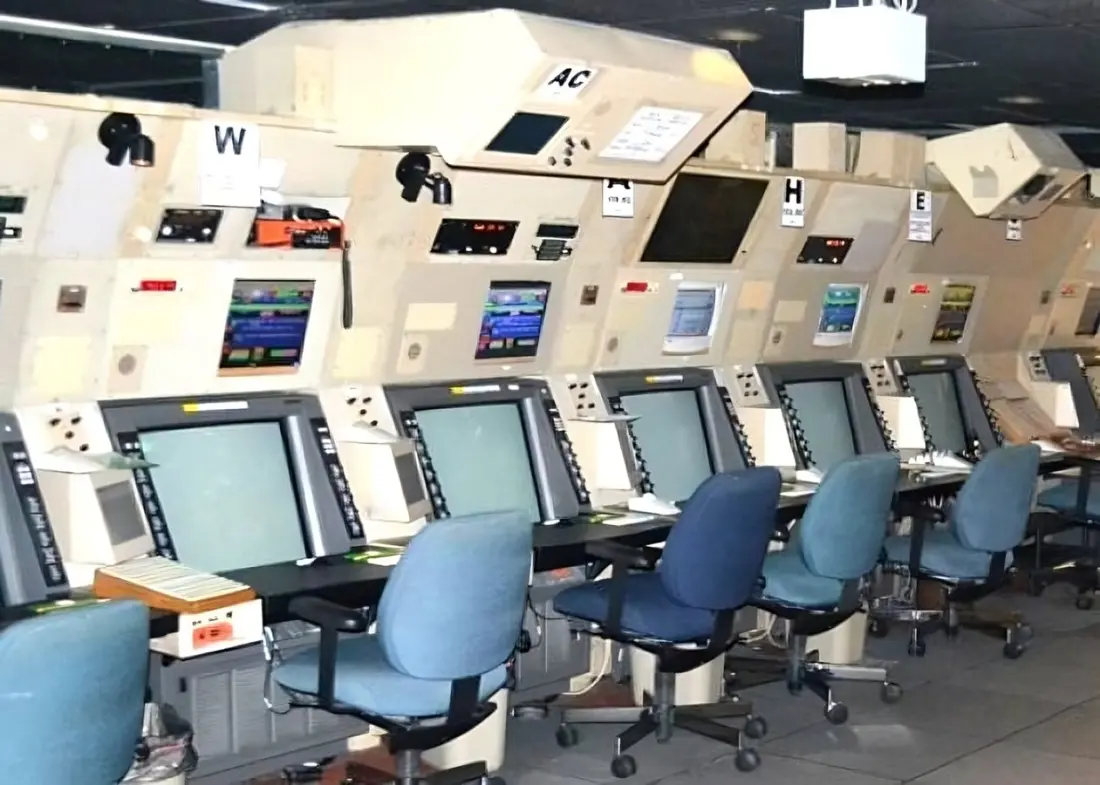
The US government has handed the Federal Aviation Administration $12.5 billion to modernise its ageing air traffic control system — but according to a September 14 Government Accountability Office report, the agency still can't say what the whole job will cost or when it will finish. Now the FAA wants roughly $30 billion more on top.
The watchdog's findings are stark. The programme contains 11,389 separate project schedules with no integrated master plan tying them together. Work at the same facilities often isn't coordinated to avoid disrupting the controllers trying to keep planes moving. In other words, the current approach risks gumming up the system it's supposed to fix.
This isn't a new story. GAO figures show more than $14 billion already went into the long-running NextGen modernisation through fiscal 2022, with completion slipping from an original 2025 target to at least 2030. A data communications rollout flagged in the FAA's fiscal 2026 budget review is running 51 months late, hit by technical problems, staffing shortages, Covid and the 2019 government shutdown. About half of the old copper wiring has been replaced, so the first $12.5 billion is buying something — but the agency still hasn't produced the updated lifecycle cost estimate GAO first asked for years ago.
The source article's argument is that money alone won't solve this. It points to structural fixes: funding the air navigation service directly through charges to airlines and other users (who'd pass costs to passengers) rather than annual congressional budgets, and splitting air traffic control operations away from the FAA's safety regulator role. Canada offers a working template — NAV CANADA has run that country's airspace since 1996 as a private nonprofit, funded by user charges and borrowing, with Transport Canada acting as an independent regulator. Even moving US air traffic control into a standalone government entity, the piece suggests, would allow a management reset that the current structure has resisted for decades.
Why should a traveller care? Because this is the machinery behind whether your flight leaves on time. Failing radios, radars and controller tools already cause delays and periodic near-misses, and a badly coordinated equipment swap could make things worse before it makes them better. Whether you fly domestically in the US or connect through American hubs, the pace and competence of this programme shapes your airport experience for the next decade. The debate over who pays and who's accountable is dry, but the stakes show up on the departure board.