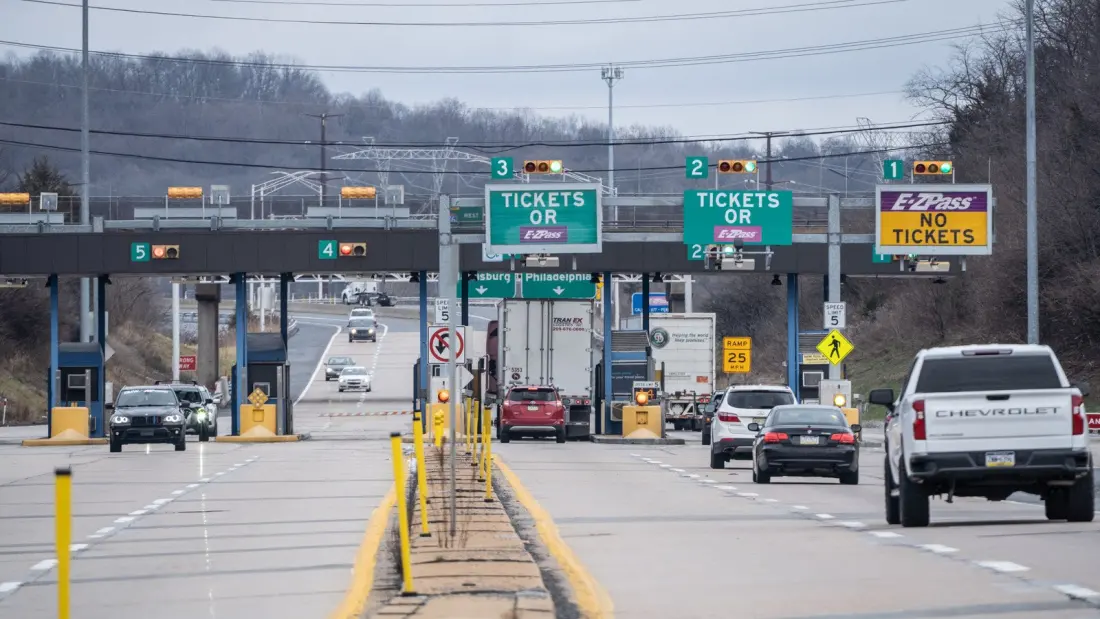
The Pennsylvania Turnpike, which opened in 1940 as the country's first superhighway, is in the middle of its biggest upgrade yet. By 2027-2028, the road will finish converting to Open Road Tolling — no more toll booths, no more stopping to pay. Given that an average of 550,000 vehicles use the turnpike daily, surging past 700,000 at peak times, this affects a lot of road-trippers heading between Pittsburgh, Harrisburg, and the Northeast.
Here's the background: the original turnpike was built along an abandoned railroad corridor and ran just 160 miles from Irwin (southeast of Pittsburgh) to Carlisle (west of Harrisburg). Today it stretches more than 565 miles. The cashless tolling push has been in the works since 2010, with a pilot in Bucks County in 2016. Key sections already went cashless in January 2025, including the stretch east of Reading and the Northeast Extension from Norristown to Clarks Summit. Construction on the remaining interchanges starts in January 2027 and should wrap by 2028.
How does it work? Overhead gantries along the road read your E-ZPass transponder or license plate as you drive past at highway speed. Toll By Plate users get an invoice in the mail afterwards — payable by card, check, or money order.
The early results are encouraging. Turnpike Commission CEO Mark Compton reports fewer rear-end and sideswipe crashes since the Reading-area launch, simply because drivers aren't jostling for lanes at toll plazas. Busy interchanges like Breezewood — the famous 'Town of Motels' where the turnpike meets Interstate 70 — should see shorter waits.
On pricing: the turnpike remains one of America's priciest roads, and that won't change. A 2025 rate restructure set a standard per-mile base rate, which actually lowered tolls for roughly half of car drivers versus 2024. The 2027 change is just the usual annual increase mandated by Act 44. The real money-saving tip: get an E-ZPass. It cuts tolls to about half of what Toll By Plate users pay.
If you're planning a road trip through Pennsylvania, expect some construction delays around old toll plazas during 2027, but the payoff — a faster, safer, booth-free drive across the state — should be worth it.