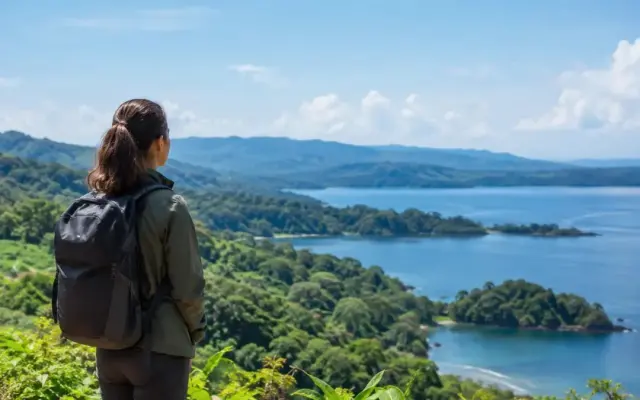
A recent piece from Elite Traveler spotlights the idea of a private Costa Rican escape — and it lands at a moment when the country has quietly become one of the most reliable luxury picks in Central America. The draw is simple: a stable, English-friendly nation with two coasts, cloud forests, volcanoes and some of the densest wildlife viewing on the planet, all wrapped in a strong sustainability ethic that appeals to travellers who want their money to do some good.
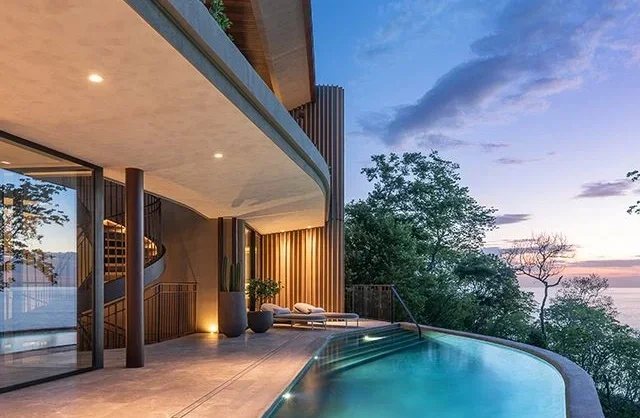
The 'private' part is where Costa Rica has matured. The country now supports small-scale, high-touch travel rather than sprawling resort strips — think villa-style lodges on the Nicoya Peninsula, helicopter transfers to remote Osa Peninsula rainforest lodges near Corcovado National Park, private catamaran charters out of Guanacaste, and guided wildlife outings timed to the country's famous natural spectacles: turtle nestings, humpback whale migrations on the Pacific side, and quetzal spotting in the highlands around Monteverde.
Practically, a private-style trip splits neatly into two arcs. The Pacific northwest (Liberia airport, Guanacaste, the Papagayo peninsula) is where the polished villa and resort product sits, with easy beach access and dry, sunny weather from December to April. The southern Pacific and Osa Peninsula are wilder and wetter — fewer people, thicker rainforest, scarier road logistics, and the most rewarding wildlife in the country. Many luxury itineraries pair the two, adding Arenal's volcano-and-hot-spring country in the interior.
Why should a traveller care? Because Costa Rica handles high-end, private travel unusually well for its size: no army, a long-running eco-tourism economy, local guides who genuinely know their forests, and a flight network (San José and Liberia as gateways) that makes a two-centre trip painless. If you've been circling the idea of a nature-forward holiday that doesn't sacrifice comfort, this is the edition of that trip worth reading up on — the original piece runs in Elite Traveler.