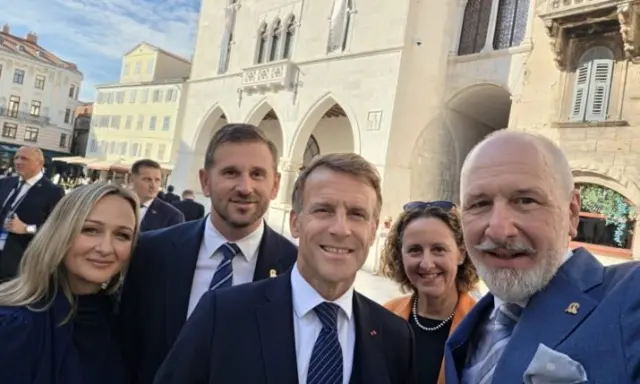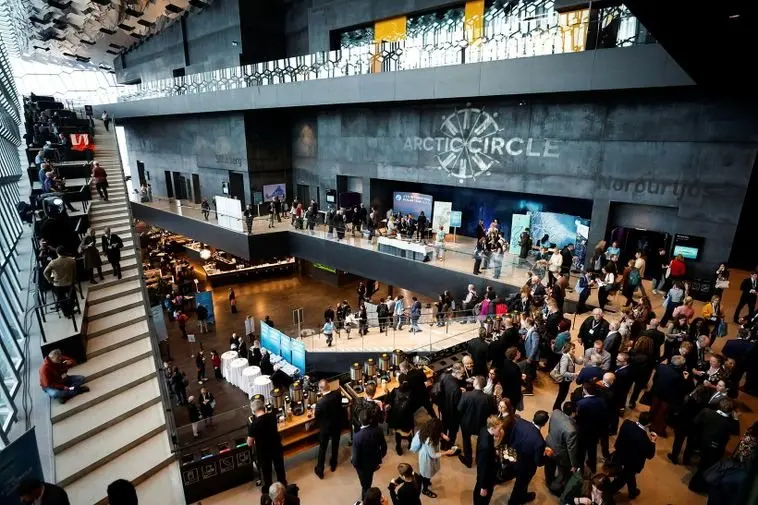
Reykjavik's Harpa concert hall is hosting the Arctic Circle Assembly this week, the largest annual gathering dedicated to the far north, and the 2026 edition has kicked off with a heavyweight line-up. Canada's Foreign Minister Anita Anand, Greenland's Foreign Minister Múte B. Egede and European Commissioner Jozef Síkela opened the main stage with an urgent-session debate on the Arctic's future, followed by questions from the floor.
The scale is striking: more than 2,000 participants from around 70 countries, roughly 200 sessions and about 700 speakers across the programme, which runs through 10 October. US interest gets its own slot too, with Alaska Governor Mike Dunleavy and Tom Dans, chair of the US Arctic Research Commission, fielding questions on American plans for the region, before Senator Lisa Murkowski closes things out on the final day.
Beyond the diplomacy, the agenda reads like a checklist of everything shaping northern travel right now: the new space race, great-power rivalry in the Arctic, scientific research and the rights of Indigenous peoples. Ministers and officials from Turkey, Norway, the UK, the Faroe Islands, Estonia, India and Singapore all take the main stage.
For anyone with a commercial eye on the North, the Arctic Circle Business Forum launched alongside the assembly with 12 roundtable discussions on investment across infrastructure, shipping, energy, construction and tourism. The focus areas are telling — Greenland, northern Canada, Iceland and the Faroe Islands are singled out as the regions to watch. As melting ice opens new shipping routes and puts previously remote destinations on more itineraries, decisions made in rooms like these will shape how — and whether — travellers experience the Arctic in the years ahead.
Full programme details are on the organisers' site, and sessions run through Friday.
Iceland Monitor