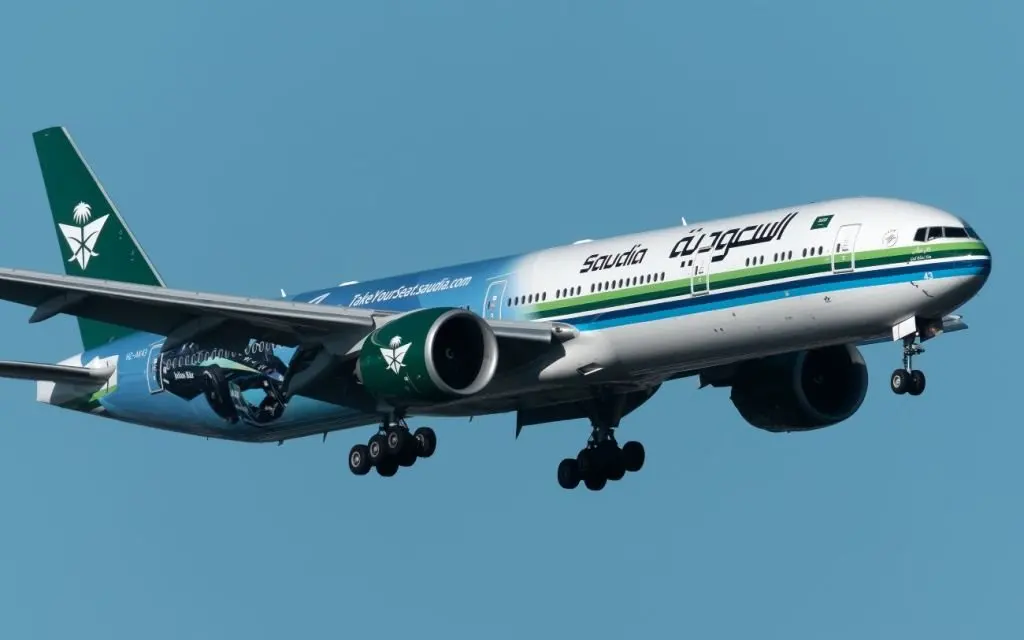
Saudi Arabia has poured billions into becoming a global aviation and tourism hub — new airlines, gleaming airports, ambitious visitor targets. This week, that strategy hit a serious obstacle. A series of deadly attacks on the kingdom's airports, with King Khalid International in Riyadh a particular focus, has put safety and infrastructure resilience back in the spotlight.
The Houthi movement in Yemen, which has acknowledged carrying out the strikes, has gone further than attacking infrastructure: it has explicitly named Saudi airports and airspace as targets and issued warnings telling international airlines and travellers to stay away. That kind of public threat against civil aviation is rare, and it lands at the worst possible moment for a country trying to convince first-time international visitors that it's an easy, safe holiday choice.
The Saudi-Houthi conflict itself isn't new — the Iran-backed group and the kingdom have been in an on-off confrontation for years, and past incidents have included missile and drone attacks on Saudi territory. What's different now is the sustained, week-long campaign aimed squarely at aviation assets, in a country whose economic diversification plan leans heavily on aviation connectivity and tourism revenue. Riyadh's flagship projects, from new carriers to mega-development travel ambitions, all depend on international airlines routing through the kingdom and on travellers feeling comfortable booking trips there.
For anyone with a Saudi trip on the horizon, the practical picture is this: check your airline's latest guidance, as carriers tend to adjust routings or suspend service when airspace risk rises. Foreign travel advisories — from the UK Foreign Office, US State Department and others — are the best source of up-to-date risk assessments, and travel insurance may not cover destinations or situations flagged by those advisories. If your itinerary is flexible, it's worth watching how airlines and airport authorities respond over the coming weeks before locking anything in.
Why it matters: this is a story about the gap between a country's tourism ambitions and the reality on the ground. Saudi Arabia has been one of the most aggressive new entrants in global travel, courting airlines, hosting major industry events and opening up to leisure visitors. A security situation that deters international carriers threatens all of that — and travellers planning trips to Riyadh or beyond should follow developments closely rather than assume business as usual. It's also a reminder that holiday planning in parts of the Middle East can change quickly, and that staying informed is part of the booking process.
The situation remains fluid, and the full implications for flight schedules, insurance and the kingdom's tourism rollout will depend on whether the attacks continue or a de-escalation takes hold.