A power bank fire in an overhead bin forced IndiGo flight 6E 6115 from Delhi to Chennai to divert to Hyderabad on 11 October, landing safely with more than 180 people on board and no injuries. It's the kind of incident that has pushed airlines across several continents to tighten their rules on lithium-ion chargers — and the changes can catch travellers out at the gate.
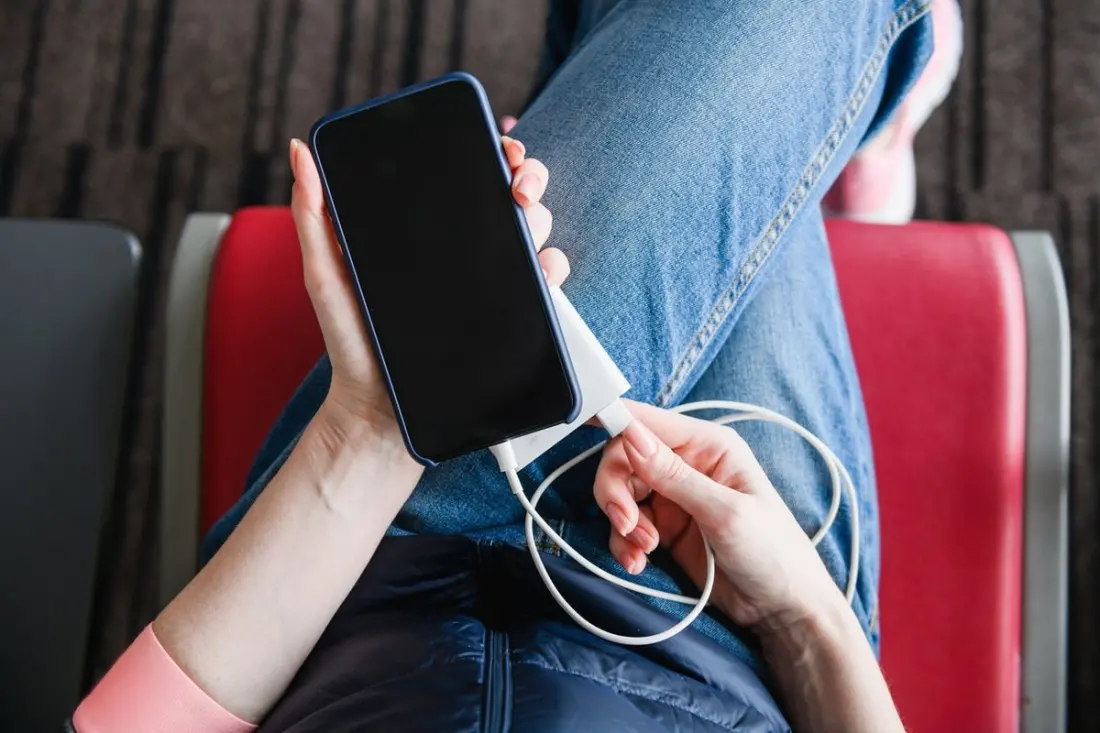
The good news: you can still fly with a power bank on most airlines. The catch is where it travels and how it's used. Portable chargers must go in your carry-on, never in checked luggage, since a fire in the hold is far harder for crew to spot and tackle. Batteries of 100Wh or less are generally fine without airline approval, though some carriers cap you at two spare batteries per person, each individually protected against short circuits.
Usage rules are getting stricter too. The UK Civil Aviation Authority is blunt: power banks must not be recharged in flight and shouldn't be used to charge other devices on board. CAA head of flight operations Glenn Bradley warns that damaged lithium batteries can cause intense fires that are difficult to extinguish, and advises keeping them completely switched off — not on standby — in your cabin bag.
Several airlines have gone further. Emirates banned passengers from using power banks on board in October 2025, allowing just one per person, with the capacity rating visible, stowed in the seat pocket or under the seat in front — never in the overhead locker. Australia's Virgin Australia, Qantas and Jetstar have dropped power banks entirely over concerns about damaged or defective lithium devices, and charging them from in-seat power ports is prohibited too. Hong Kong's aviation authority restricted use after a fire on a Hong Kong Airlines flight from Hangzhou, and new rules have also landed in the US, China, Taiwan, Thailand, South Korea, Japan and Singapore. The logic behind keeping them under the seat rather than overhead is simple: if something starts smoking, a crew member can reach it quickly.
The International Civil Aviation Organization added global specifications in March, limiting passengers to two power banks and prohibiting in-flight recharging. The UK Foreign Office suggests checking with your airline if you're unsure what batteries you can carry — sensible advice, since rules vary by carrier even within the same country.
For anyone travelling soon, the practical takeaways are straightforward. Pack your power bank in your hand luggage, check its capacity is at or under 100Wh, keep it switched off, and don't plan on topping it up mid-flight. If you're flying with Emirates, Qantas, Virgin Australia or Jetstar, expect tighter enforcement or an outright ban, so consider a full charge before boarding rather than relying on a portable charger in the cabin. Above all, never slip one into a checked bag — that's the rule with the fewest exceptions and the highest stakes. With more of us relying on phones for boarding passes, hotel bookings and maps, a bit of battery planning now matters as much as packing the right adaptor. Thanks to The Independent Travel for the original reporting.