South Africa's national park map just got bigger. On 9 October 2026, Forestry, Fisheries and the Environment Minister David Maynier declared Grasslands National Park in the Eastern Cape, a protected area of more than 10,225 hectares stretching across 18 properties between the towns of Nqanqarhu and Rhodes. It will be run by South African National Parks (SANParks).
Grasslands rarely get the same attention as the Big Five reserves, but they punch above their weight ecologically. They anchor biodiversity, buffer wetlands and — crucially — act as sponges for the country's water supply. A large chunk of the new park sits inside the Eastern Cape Drakensberg Strategic Water Source Area, one of the landscapes that keeps South Africa's taps running. Protecting it is as much about water security as wildlife.
What makes this declaration interesting is how it came together. Rather than buying out farmers, the park was built mostly on biodiversity stewardship agreements: landowners keep their title and can carry on with compatible farming, but commit to conservation practices on their land. It's a template for growing protected areas without needing vast state-owned tracts, and it keeps local livelihoods in the picture rather than fencing them out.
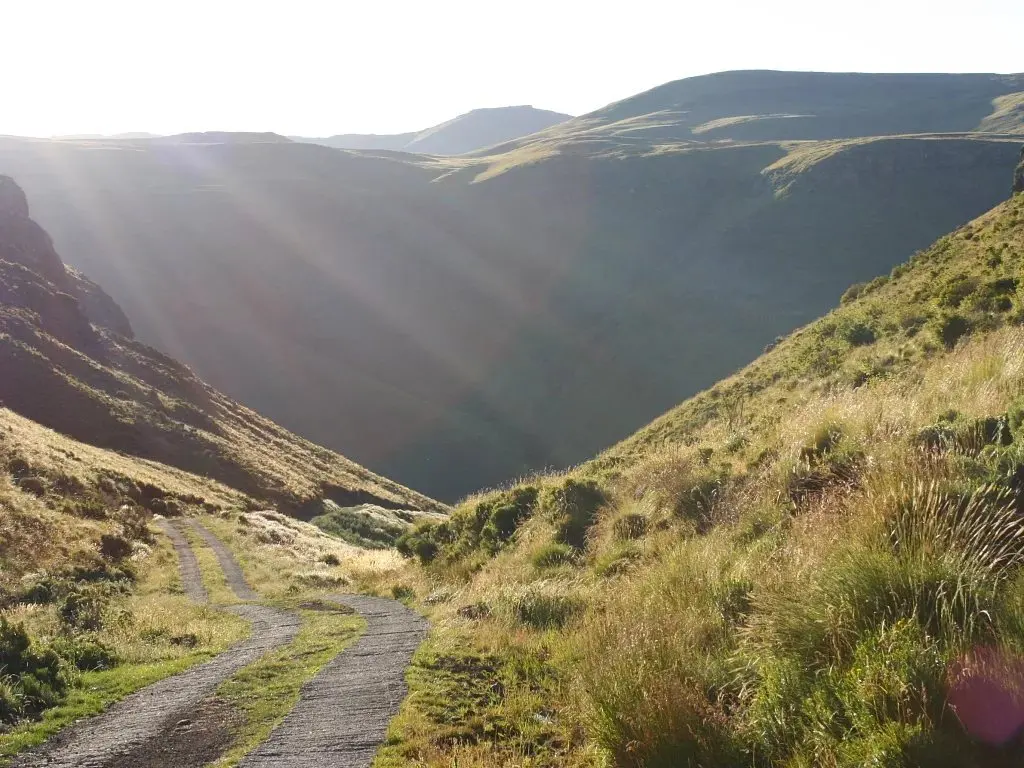
For travellers, the timing is good. The Nqanqarhu-to-Rhodes corridor is classic Southern Drakensberg country — high grasslands, sandstone escarpments, trout streams and quiet mountain roads that see a fraction of the traffic of the garden route or Kruger. Rhodes in particular is a beloved little hamlet for fly-fishers and hikers. With SANParks now managing the area, expect improved trails, better conservation outcomes and, eventually, formal visitor infrastructure for a corner of the Eastern Cape most international visitors skip entirely.
If you like your wilderness under-the-radar, this is a park to watch as it takes shape — and a reminder that South Africa's most quietly valuable scenery doesn't always come with a celebrity animal attached.