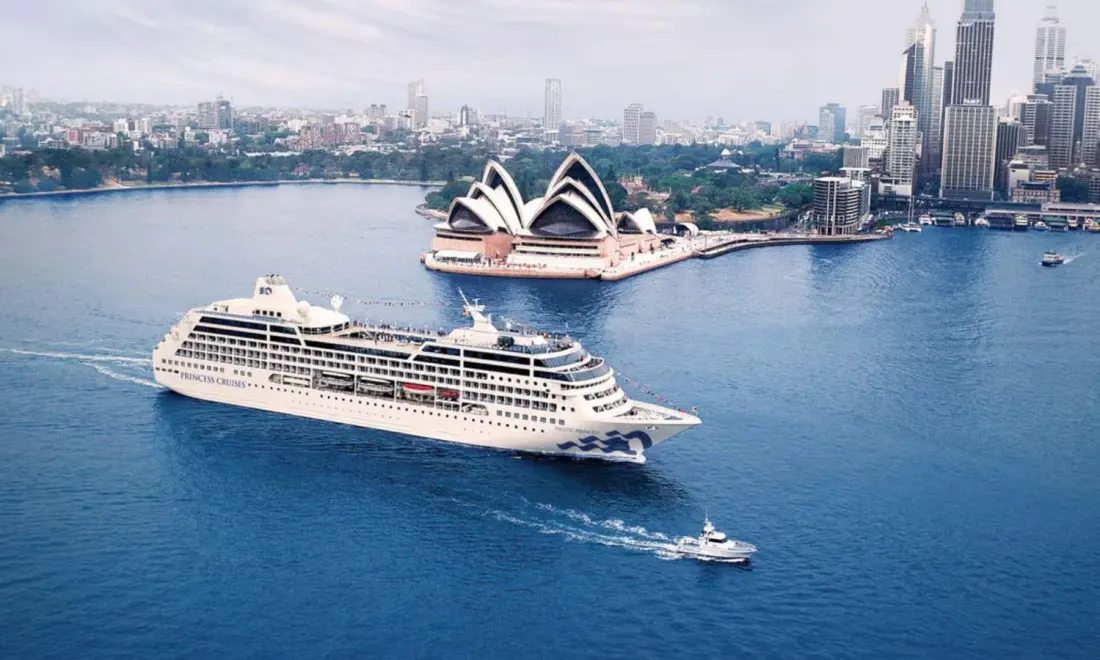
Cruising hit a record 37.2 million passengers globally in 2025, shipyards are booked out for years, and cruise lines are pouring billions into new ships. Australia, meanwhile, is heading the other way: its cruise capacity has dropped around 30%, and the industry's economic output fell $1.1 billion — 13.2% — to $7.3 billion in 2024-25, supporting about 22,000 jobs.
That was the blunt message delivered in Sydney by Charles "Bud" Darr, global president and CEO of Cruise Lines International Association (CLIA). His argument: cruise lines don't send billion-dollar ships anywhere out of goodwill. They deploy them where returns are strong and the rules are predictable — and right now, Australia doesn't make the cut. Ships scheduled three or four years ahead don't come back because a government issues a statement.
Here's the odd part: Australian demand for cruising has never been higher. A record 1.45 million Australians cruised last year. But more of them are flying to Singapore, Barcelona, Miami or Alaska to board their ships, taking their holiday spending with them. Every ship redeployed out of Sydney or Brisbane means fewer hotel nights, airport transfers, restaurant meals, shore tours and regional town visits — the ripple effect that makes cruising worth more than just ticket sales.
The pressure is coming from inside the industry too. Veteran cruise travel advisor Belle Goldie, with 26 years in the business, says Australia needs to "wake up" — if costs and uncertainty keep rising, cruise companies will simply move ships to friendlier waters, and the losers will be Australian travellers (less choice and competition), travel agents, and the hotels, ports and communities that rely on visitor dollars. Even the usually diplomatic CLIA Australasia chief Joel Katz went public on national TV calling for a "national approach", urging the Federal Government to coordinate with states, territories and ports to attract ships back.
There's a competitive edge to this as well. New Zealand has taken a more coordinated stance, and its tourism minister Louise Upston has pushed for joint work with Australia's Tourism and Trade Minister Don Farrell, who has confirmed cruise will be on the agenda during his September visit to Wellington.
The immediate flashpoint is Cruise360 Australasia at Sydney's ICC on 17-18 September — the Southern Hemisphere's biggest cruise conference, usually a celebratory affair of new ships and itineraries. This year expect a harder edge, with the industry watching whether Canberra has actually absorbed the warnings. The ask isn't a free hand for cruise lines — scrutiny on wages, safety and the environment stays — but regulation that's proportionate, coherent and predictable, plus infrastructure and costs that make Australia a sensible place to park a ship.
Why it matters to travellers: if the trend continues, Australians will face fewer ships sailing local waters, thinner itineraries and higher fares, pushing even more of us onto long-haul flights to cruise abroad. A fix would mean more choice departing from Australian ports again — but the industry's message is that the window to act is closing.