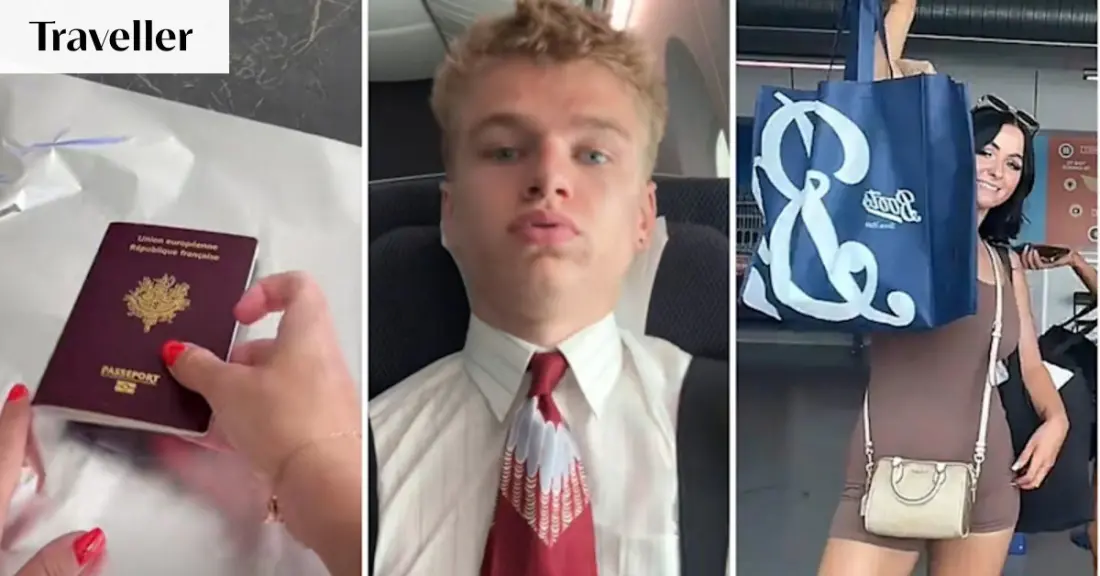
Social media has an endless appetite for travel hacks, and the newest one is a beauty: wrapping your biometric passport in kitchen foil to stop hackers skimming your data. It looks absurd, and it is. Yes, aluminium foil can shield radio frequencies, but an RFID passport chip can only theoretically be read at extremely close range, with the passport open at the ID page — and the data is encrypted anyway. All the foil actually achieves is slower security queues and a passport cover that looks like it lost a fight with a sandwich press.
That's the opener to a wider takedown of viral travel tricks, and the pattern is clear: clever-sounding ideas that collapse the moment they meet a real airline, hotel or security officer.
Take the stuffable neck pillow that somehow became a smuggling device. Passengers now stuff pillowcases with clothes to dodge baggage fees, but gate staff are incentivised to catch exactly this and can simply make you check it. Same story with the "duty-free carry-on", where travellers fill Boots or WH Smith bags with overflow items — no receipt, no luck. Or the "suitcase hoodie", a garment with secret storage big enough for shoes and tablets. As one flight attendant puts it: if you're not checking it in, you have to sit in it.
The seat-booking gamble — booking window and aisle in a row of three hoping the middle stays empty — rarely pays off now. Airlines overbook budget routes and will sell that middle seat, splitting your party. The hotel "laundry hack" (washing underwear in the coffee machine, popularised by an influencer who later claimed it was a joke) is both unhygienic and ineffective, since clothes need detergent and sustained heat to actually get clean.
Wearing a suit to score a free upgrade? Gate agents see through it, and upgrades go to charismatic frequent flyers with status, not economy chancers in ill-fitting jackets. Freezing a bottle of water to breeze through security works under the US TSA's current guidance, but the UK counts frozen liquids as liquids, and Australia's rules treat anything liquid at room temperature as a liquid — so it fails the moment you leave America.
Then there are the "hacks" that are simply crimes. Running a tab on a stranger's hotel room got one Florida man a $2,400 bill and a grand theft charge carrying up to five years. Locking your card and racking up in-flight purchases is credit card fraud; a Manchester passenger nicknamed "Fraud of the Skies" took more than £25,000 of duty-free goods and faced arrest. Drinking your own miniatures on board risks heavy fines — Ryanair sued a passenger for €15,000 after disruptive behaviour — and Velcroing your baby to an aircraft seat is against the rules in the UK and Europe, where infants must wear an infant loop belt.
Even skiplagging, the savviest-sounding trick of the lot, has a catch: it only works one way. Skip the second leg and airlines can cancel your return, ban you for life, or sue.
The takeaway for travellers is refreshingly simple: if a hack promises something for nothing, an airline or hotel has probably already priced it in — and the house usually wins. Source: Traveller (Sydney Morning Herald).