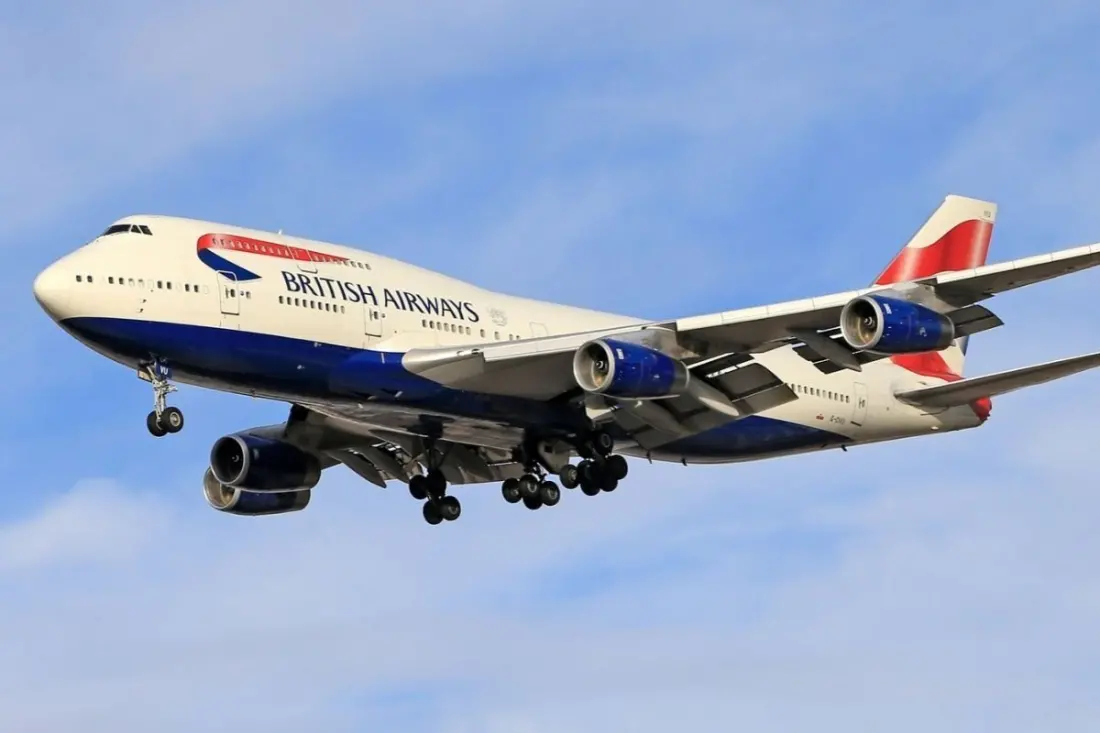
A British Airways service from London Heathrow to Chicago made an unplanned return to the UK on Monday 5 October after the crew carried out a rapid descent and diverted back to London.
The aircraft, operating as flight BA295, had been cruising at roughly 36,000 feet when it descended to around 9,000 feet while over Ireland. Descents of that kind are typically flown when a crew needs to get down quickly — most often in response to a possible cabin pressurisation problem — though neither the airline nor aviation authorities have confirmed what triggered this one. An investigation into the aircraft is expected.
Rather than continuing across the Atlantic, the crew turned the plane back towards London. Before landing, it spent several hours in the air in the Heathrow area to burn off fuel, a standard procedure that brings an aircraft down to a safe landing weight after an early return. The plane then touched down without incident, and all passengers and crew disembarked normally. British Airways said it was arranging onward travel for those affected, and there were no reports of serious injuries.
The timing is awkward for the airline, which is in the middle of a wider programme of fleet and customer-experience investment, including cabin refurbishments and adjustments to its international schedule. A high-profile Atlantic turnback — even a safe one — is not the publicity BA would have chosen for that rollout.
For travellers, the practical takeaway is reassurance mixed with a reminder. Rapid descents sound alarming, but they're a controlled, well-rehearsed response to a possible pressurisation issue: getting down to around 10,000 feet puts everyone in breathable air quickly. The fuel-burning hold is routine too, and landing back at the origin is a sign the system worked, not that it failed. The disruption, though, is real — a Chicago-bound itinerary can be knocked back by many hours or a full day. It's worth knowing your rights: on flights departing the UK or EU, care and rebooking obligations apply regardless of the cause, and travel insurance can help cover knock-on costs like missed connections or a night in a hotel when an airline's arrangements fall short.