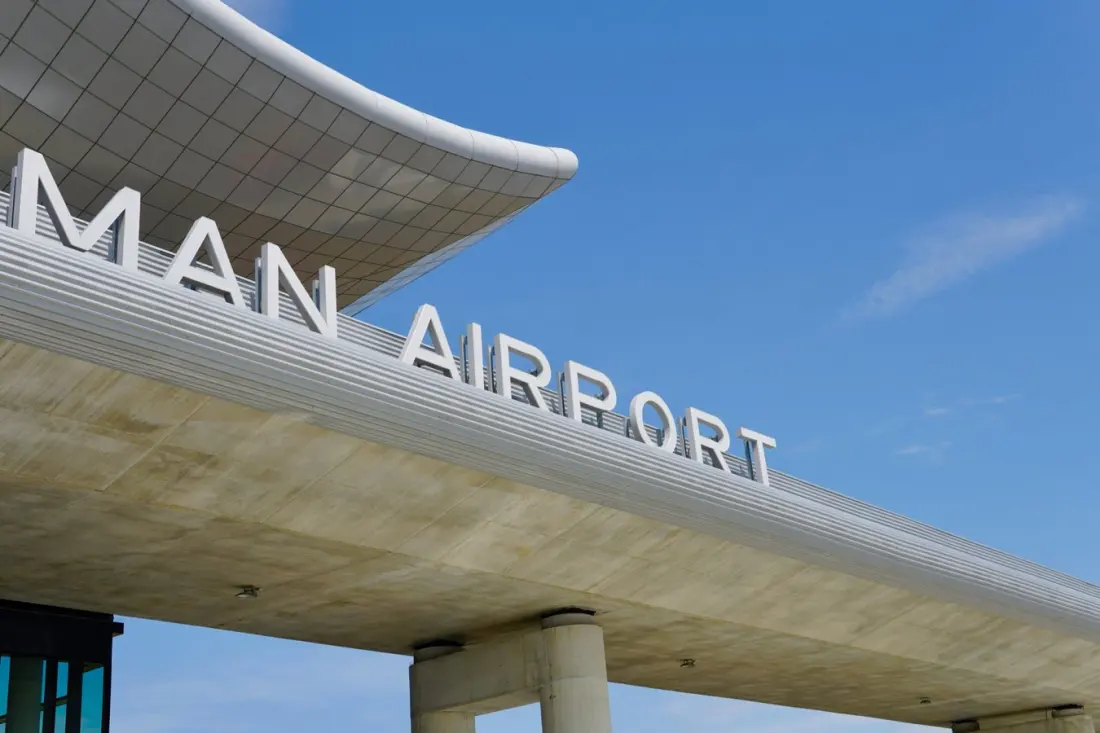
Zagreb Airport handled a record 4.72 million passengers last year, yet since July every month has been weaker than the same month in 2025. European airport traffic grew 3.4% in the third quarter; Croatia's capital is heading the other way. Austrian Airlines and British Airways have announced exits, Qatar Airways and Iberia have cut capacity, Turkish Airlines trimmed its schedule, KLM pulled a planned increase and Air France has shaved flights off its 2027 plans.
The obvious suspect is money. Since 1 June 2026, Zagreb has charged airlines more — some fees up 10-24% across landing, passenger services, security and infrastructure. Only Budapest is pricier in the region. But there's a stranger subplot: the airport's concessionaire may have a financial reason not to grow at all.
The airport has been run since 2013 by ZAIC, a Franco-Turkish consortium of Groupe ADP, Bouygues and TAV Airports, under a 30-year concession ending in 2042. The contract obliges the consortium to fund a costly western terminal expansion — three new gates, extra facilities and apron space — once annual traffic hits five million passengers, with a hard deadline of 1 January 2032 regardless. Unofficially, the consortium is reportedly asking the Croatian government to reopen the old Pleso terminal for low-cost carriers instead, counting passengers separately so the new terminal stays under the five-million trigger. That would only be possible if the contract's terms are rewritten.
The shift is already visible on the tarmac. Legacy carriers are struggling while Ryanair booms: BA and Croatia Airlines together carried just 68,303 passengers on the Zagreb–Heathrow route in the first nine months of 2026, down 5.5%, while Ryanair moved 142,473 on Zagreb–Stansted, up 20.8%. Zagreb has introduced route incentives — up to 100% off landing fees in year one for qualifying new routes — but critics say the pandemic-era loss of Emirates, Korean Air and Air Canada was never seriously addressed.
For travellers, the practical takeaway is real. If you fly into Zagreb on a full-service carrier, expect fewer options and potentially higher fares in the next couple of years, while budget routes (especially to London and possibly new Wizz Air destinations) keep expanding if the Pleso plan goes ahead. Croatia Airlines, already squeezed, faces more pressure. Anyone flying business or premium cabins into the capital may increasingly need to route via Split, or connect through Vienna, Munich or Istanbul. And if you're booking far ahead for summer 2027, it's worth double-checking that your preferred carrier is still on the schedule before you lock in hotels.
The government's decision on the old terminal will shape Croatian aviation for a generation — whether Zagreb becomes a bigger budget-hub or keeps a balanced mix of carriers. Watch this space if Croatia is on your 2027 list.
Reported by Total Croatia.