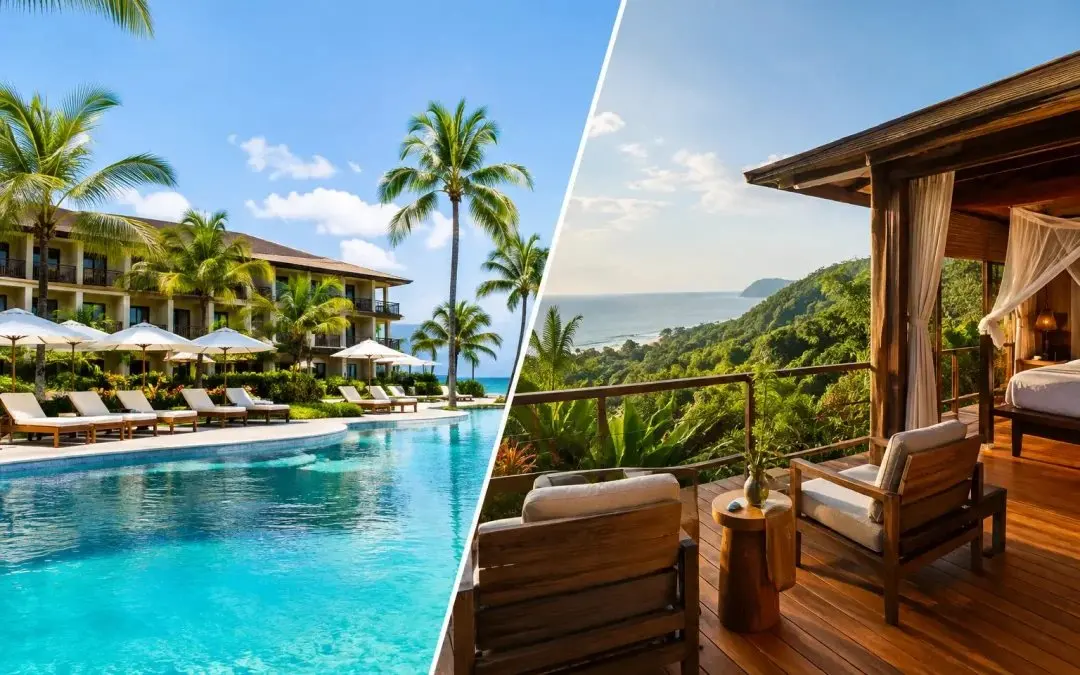
Costa Rica offers both kinds of holidays in abundance — the question is which one matches the week you actually want. A new guide from Howler Costa Rica breaks down the choice between large all-inclusive resorts and small, independently owned boutique hotels, and its core advice is refreshingly simple: decide on the kind of day you want first, then check what the room rate buys.
One point worth remembering before you book: the two labels aren't opposites. "All-inclusive" describes what the price covers; "boutique" describes a property's size and character. A small lodge can offer a meal plan, and a resort can be deeply rooted in its region. Neither style is automatically more authentic, sustainable, or luxurious than the other.
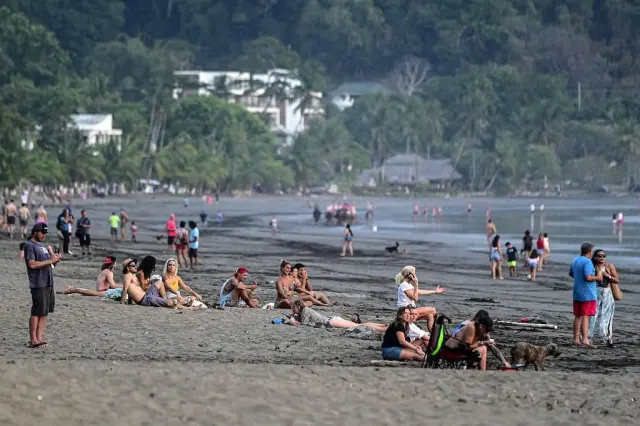
An all-inclusive rate — think roughly $380 a night in a worked example — bundles meals, drinks, and often activities into one price. That certainty suits families with young kids, multigenerational groups, honeymooners, and first-time visitors, and it removes the awkward bill-splitting that follows a group trip. The trade-off: a resort can become its own bubble. It's easy to spend a week near Tamarindo, Papagayo, or Jacó without ever eating at a roadside soda or hearing a neighbourhood beyond the gates.
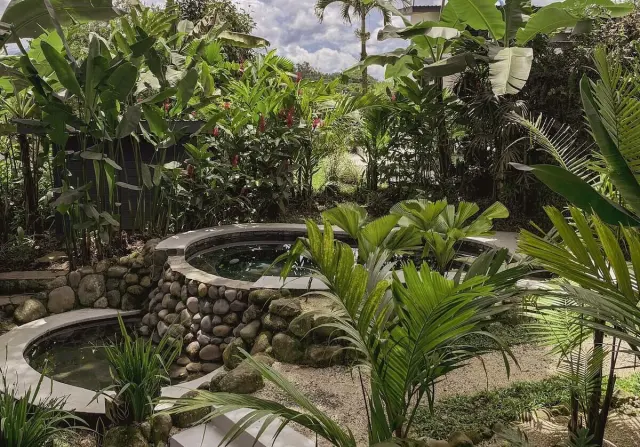
Boutique hotels, often around $220 a night with breakfast, sell personality — hand-painted tiles, howler monkeys at breakfast, owners who know the farmer who grew your pineapple. They make a good base for independent exploring and even a scouting trip if you're considering a move or second home. But they ask more of you: booking dinners, possibly renting a car, and checking details like kids' policies or dining hours before you commit.
The maths can go either way. In a four-night comparison, the resort's higher rate still left the boutique stay cheaper overall — until $60 a day in taxis erased the gap. If you plan to explore all day and skip buffet meals, you may be paying for inclusions you never use; if you want everything handled, the bundled price can be excellent value.
Where you go matters too. Guanacaste has the country's biggest concentration of large resorts with reliable sunshine; the Central Pacific mixes parks and rainforest trips with both styles; the Southern Zone and Caribbean coast favour small, locally rooted lodges; and inland areas like Arenal, Monteverde, and the Central Valley suit eco-lodges near volcanoes and cloud forest.
The most useful idea in the whole piece may be the third option: combine them. Spend three or four restful nights at a resort, then move to a small hotel in a different region — say the Guanacaste coast followed by La Fortuna for hot springs and forest walks. Start with the calm of everything handled, then trade the wristband for a road trip and a table at a restaurant you found by asking a local.