A community group watching over one of Colombia's most important rivers has just picked up a major international honour. The Collegiate Body of Guardians of the Atrato River (CCGA) has been awarded the 2026 Rafto Human Rights Award, presented by Norway's Rafto Foundation, for its decade-long fight against illegal gold mining and environmental destruction in the Atrato basin.
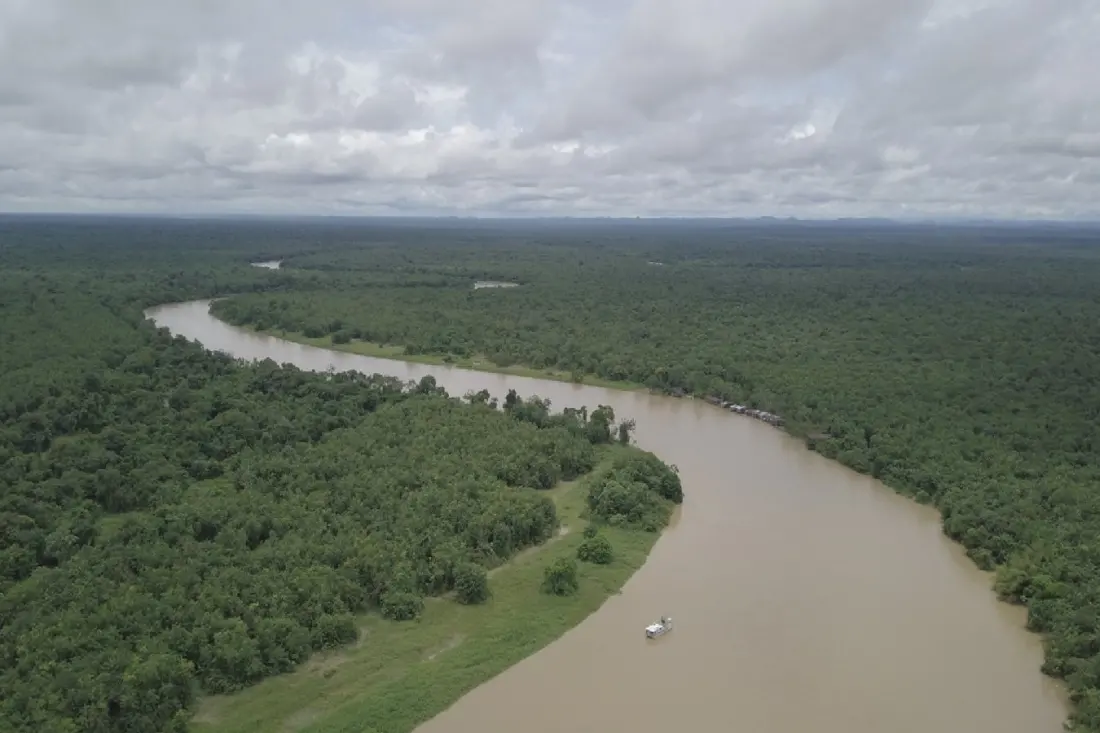
The Atrato runs roughly 750 kilometres from the Farallones de Citará in the western department of Chocó down to the Gulf of Urabá on the Caribbean coast. Along the way it's a lifeline — used for transport, fishing and daily life by the Afro-descendant and Indigenous communities who live along its banks, in what is one of the most biodiverse corners of the planet.
The group's story is unusual. It came into being after Colombia's Constitutional Court made a landmark ruling in 2016 recognising the river itself as a subject of rights — a decision considered pioneering worldwide. Since then, the Guardians have documented areas hit by illegal mining, warned communities about pollution risks and pushed authorities to actually enforce the court's protective rulings. The Rafto Foundation, which has handed out its annual award since 1986 in memory of activist Thorolf Rafto, praised the group's community-driven model as an inspiration for similar initiatives in Colombia and beyond.
The work carries real danger. The basin's natural wealth — especially gold — has long drawn armed groups, cartels and criminal networks, who operate illegal mines alongside drug and arms trafficking. That mining has left severe mercury contamination in the soil, water and aquatic wildlife, threatening the health of riverside communities. The Foundation noted the Guardians keep resisting on the front lines despite significant personal risk.
The region itself is remarkable. Around 87% of the basin's inhabitants belong to Black communities descended from enslaved Africans who preserved their cultural roots strongly; five Indigenous peoples — Embera-Dobida, Embera-Katío, Embera-Chamí, Wounaan and Tule — make up roughly 10%, and mestizo settler farmers about 3%. The surrounding tropical rainforest sits within one of just 34 recognised biodiversity hotspots worldwide, packed with endemic species found nowhere else.
For travellers, this award is a timely reminder that Chocó is far more than a name on a risk advisory. It's a region where community-led conservation is actively shaping the future — and where responsible, locally rooted tourism can support exactly the kind of guardianship being recognised. If you go, do it through community-based operators, and understand the context: this is a place where environmental and human rights struggles are ongoing, and visitors have a role in tipping the scales toward the communities protecting the river.