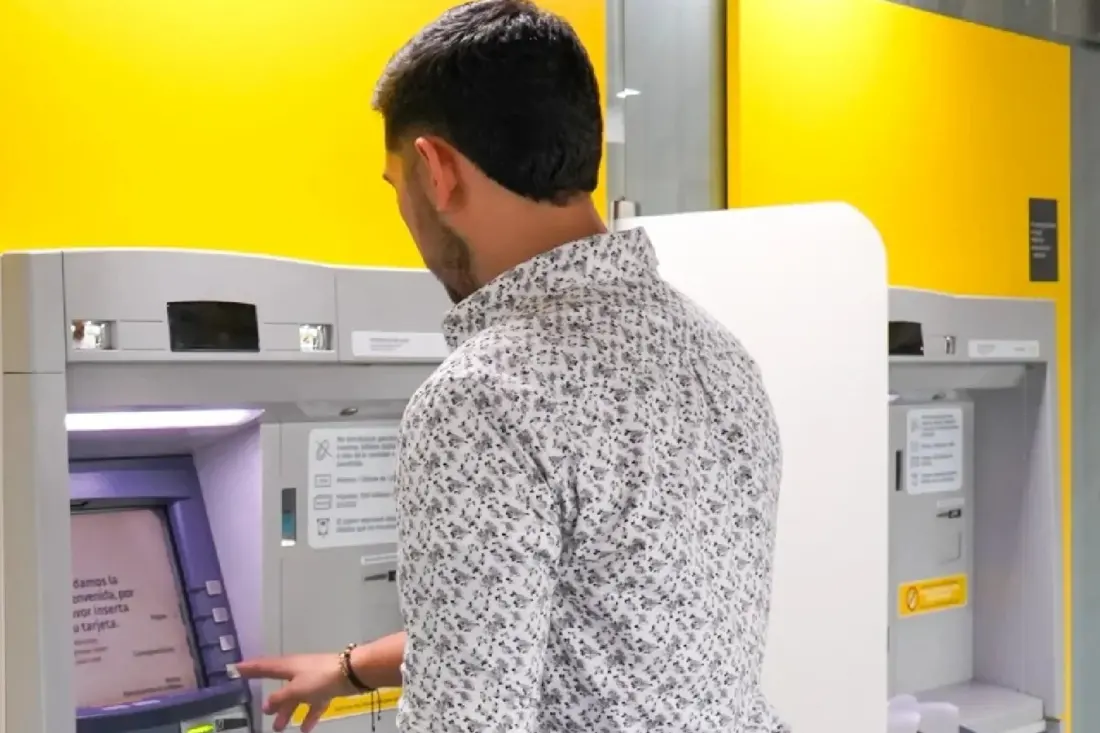
Travellers arriving in Colombia and using Bancolombia cash machines — the country's largest bank network — will notice something new: the ATMs are no longer dispensing 10,000-peso notes (about US$2.70). A message on the screens says the bill is "saying goodbye," and it's spread quickly on social media as customers report changed withdrawal amounts.
The shift is gradual and there's no completion date yet, so expect a patchwork: some machines still dispense them, others don't. Two practical effects matter if you're withdrawing cash. First, certain amounts — 10,000 and 30,000 pesos (roughly US$8.30) — have disappeared from some machines because they depend on that note. Second, the bank is adding 100,000-peso bills (about US$27.70) to its ATMs, so machines hold more cash between restocks and can serve more transactions. That means larger minimum notes when you withdraw: if you planned to take out just enough for a small cash purchase, you may end up holding a hefty 100,000-peso bill. Many small vendors, market stalls and street food sellers can struggle to break one, so keep an eye on where you can split big notes.
Importantly, the 10,000-peso bill itself remains legal tender and still circulates in Colombia. This is an ATM logistics decision, not a currency change. Bancolombia frames it as part of modernising its network, citing low availability of the bill in the market and the condition of worn notes, which can jam processing.
There's a second change worth knowing: more than 4,000 Bancolombia ATMs now support contactless NFC withdrawals. You tap your card against the reader and enter your PIN rather than inserting it. The bank introduced this for security reasons — since the transaction uses short-range encrypted communication and the card never enters the machine, skimming devices that copy card data become largely ineffective. If you're cautious about ATM fraud, seeking out one of these contactless machines is a sensible habit anywhere in the country.
The 10,000-peso bill has a colourful history, too. Colombia's Bank of the Republic first issued it in 1992 to mark 500 years since the Spanish arrived in the Americas, and it was the first note to feature an Emberá woman rather than an independence hero. It nearly died young: in October 1994, robbers spent 18 hours looting the central bank vault in Valledupar, stealing 24 billion pesos in the heist known as "the robbery of the century." The stolen serial numbers were made public, the "Valledupar bills" became untouchable, and the denomination was withdrawn entirely before a new series followed in 1995.
Why it matters for travellers: cash is still king in much of Colombia outside hotels and city restaurants, so ATM behaviour shapes day-to-day spending. Withdraw larger amounts in fewer transactions to cover fees, expect to receive bigger denominations, and carry smaller notes — including 10,000-peso ones if you get them — for taxis, snacks and tips.