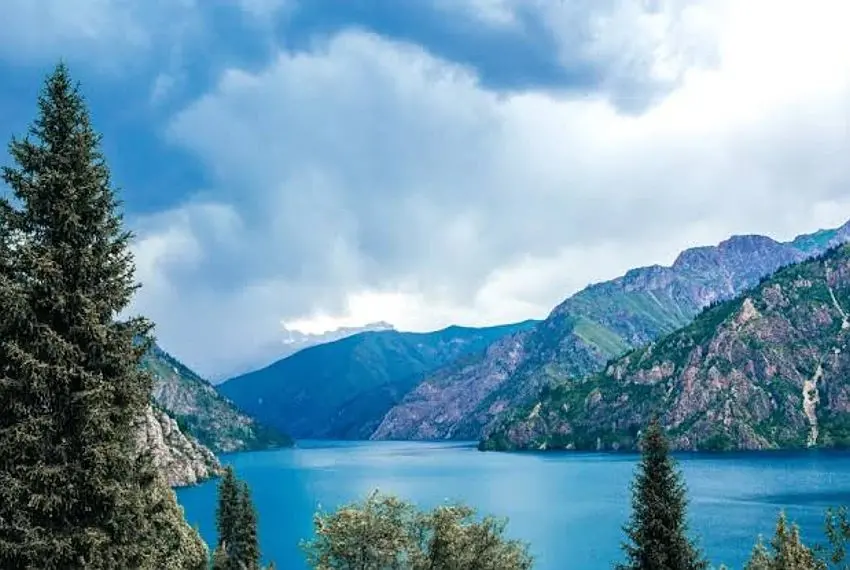
One of Kyrgyzstan's most famous natural sights is about to change how visitors experience it. Authorities have confirmed that private cars will be banned from the shore of Sary-Chelek, the striking high-altitude lake in the Jalal-Abad region, and a fleet of electric buses will shuttle tourists in instead. The system is scheduled to launch in 2027.
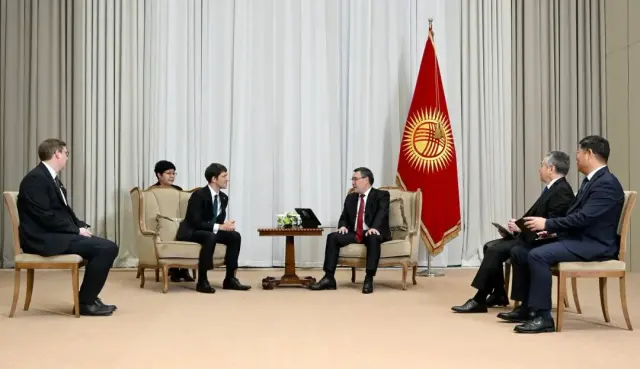
Eduard Kubatov, head of the State Agency for Tourism Development, laid out the plan to journalists. Twenty electric buses will run along three fixed routes inside the Sary-Chelek Biosphere Reserve, working a bit like an urban transit network. Riders will pay for both park entry and bus fares by QR code, and the buses will drop people at the lake so they can wander the shoreline and nearby sights on foot. There will be no parking at the shore at all — private vehicles will be stopped well before the water.
The roads leading to the lake will also be paved, mainly to cut down on the dust that currently kicks up along the rough approach. A new visitor centre is part of the package, and it's more ambitious than the usual ticket kiosk. Plans include restrooms, a coffee shop, a retail store, laundry facilities, a coworking space, and guest rooms for travellers who want to sleep near the reserve rather than day-trip it.
Sary-Chelek sits within a UNESCO Biosphere Reserve and is regularly named among Kyrgyzstan's standout natural landmarks — a deep, cobalt alpine lake ringed by forested slopes in the country's west. Until now, reaching it has meant a long drive on rough roads, often in a hired 4WD, with the reward of a dramatically undeveloped shoreline. The reforms are clearly aimed at protecting that environment while making the reserve easier to visit: less dust, fewer engines at the water's edge, and proper facilities for the growing number of travellers coming to Kyrgyzstan for its mountains and lakes.
For trip planners, the takeaway is timing. Anyone hoping to drive right up to the lake should aim to visit before the 2027 rollout, or be ready to embrace the shuttle system once it's live — which, honestly, sounds like an upgrade over dust clouds and improvised parking. The addition of overnight rooms at the visitor centre also hints at a shift from whirlwind day trips to longer stays in the reserve, which suits hikers and photographers who want the lake in morning and evening light.
It's worth watching how the QR-code payment and bus schedules settle in once launched, and whether the paving changes the feel of the approach road. But for a country that has built its tourism reputation on dramatic, lightly managed scenery, Sary-Chelek is becoming a test case for how to open up a flagship site without loving it to death.