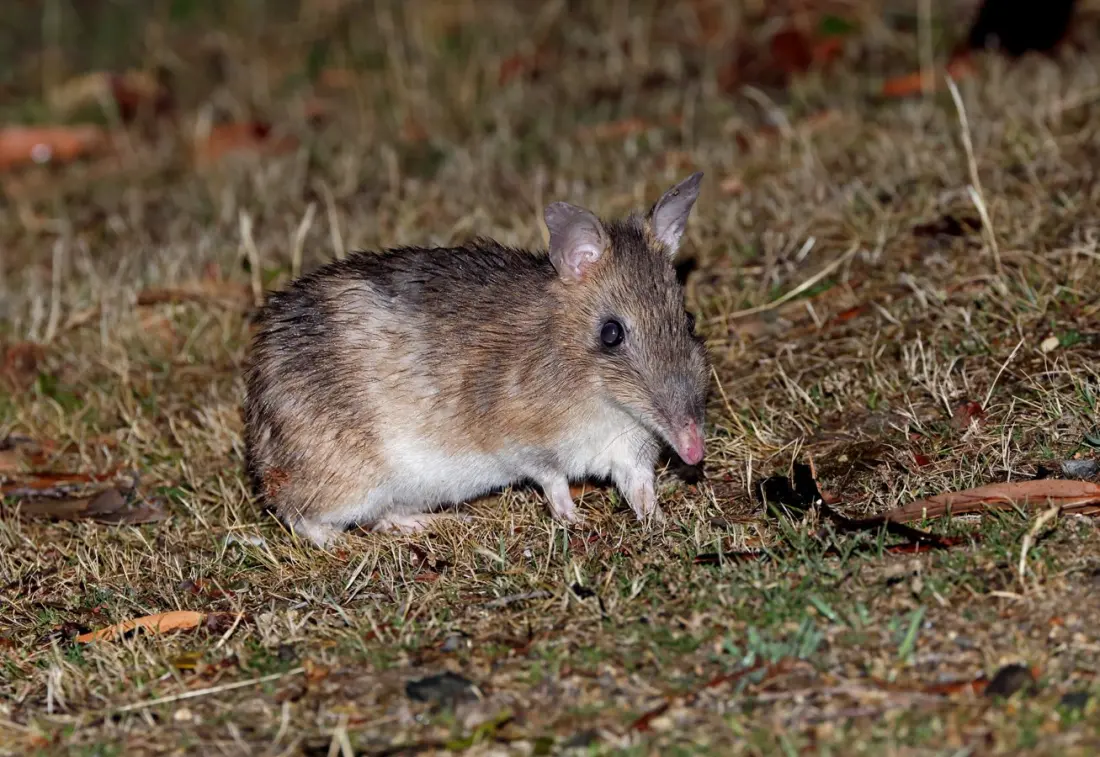
Sneeze-like snuffles in the bushes and cone-shaped holes in the lawn usually mean one thing: a bandicoot is nearby. These rabbit-sized marsupials with pointed snouts are native to Australia and New Guinea, and despite looking harmless, they've spent two centuries being blamed, hunted and poisoned. A new study from University of Sydney researchers explains how that happened — and why it matters.
The team analysed more than 3,000 newspaper reports from New South Wales between 1804 and 1954, tracing a slow-motion reputation collapse. In the early colonial years, bandicoots were curiosity and dinner: hunters shot them for sport and fur, skins were shipped to Europe, and one paper ranked roast bandicoot among the most delicious dishes going. Escaped convicts reportedly survived on the meat.
Then came the farm wars. From the 1830s, bandicoots were accused of digging up maize and potatoes — the word "bandicooting" even became slang for stealing garden produce. Farmers tried fences, patrol dogs and seeds coated in tar and ashes, but lethal control won out. Under NSW pest legislation, people could trade animal scalps for cash from the 1880s to 1930; the Bathurst board alone collected nearly 19,000 bandicoot scalps in 1906.
The suburbs delivered the final blow. In 1924, veterinary researcher Ian Clunies Ross declared long-nosed bandicoots the favourite host of the paralysis tick — a claim later shown to be overstated, since rats and possums also carry ticks. A decade later, bandicoots were wrongly fingered for Q fever, when the real spreaders were farm animals.
The cost has been severe. Eight of Australia's 15 bandicoot species are now threatened or extinct, hammered by cats, foxes and habitat loss — with human hostility making recovery harder. Yet bandicoots are ecosystem engineers: their digging turns over soil, spreads fungi that help plants grow, and can even reduce bushfire risk.
For travellers heading to Australia, this is a good reminder that some of the animals you might spot at dusk are more fragile than they look. If you're staying in bushland areas, keeping pets indoors at night, driving carefully after dark and leaving low shrubs intact all help. Conservation-focused travellers can also support habitat reserves where species like the eastern barred bandicoot are being brought back from the brink.