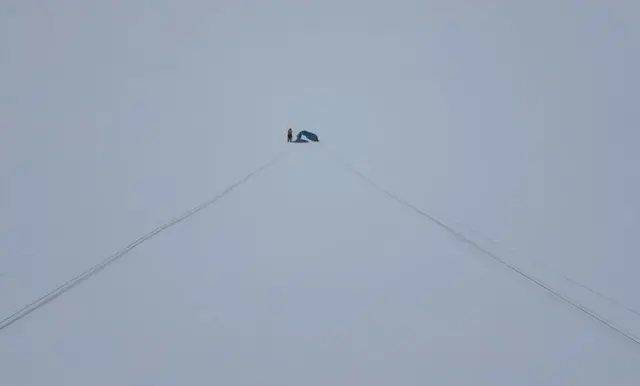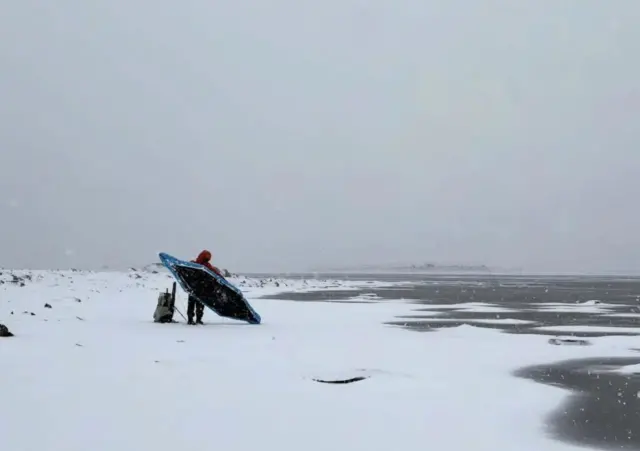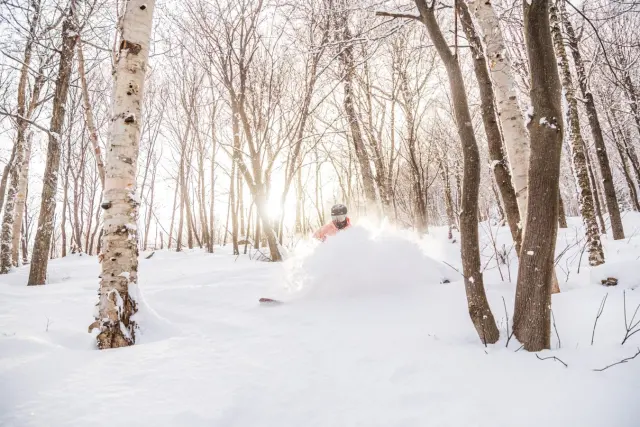
Winter hiking has a gear problem: most boots either feel like ski bindings on your feet or leave your toes numb halfway up the trail. Backpacker's November 2026 winter boot test tackles that trade-off head-on, putting insulated, waterproof hikers through deep-snow slogs, icy scrambles and even standing in a frozen river to see which ones are actually worth lacing up.
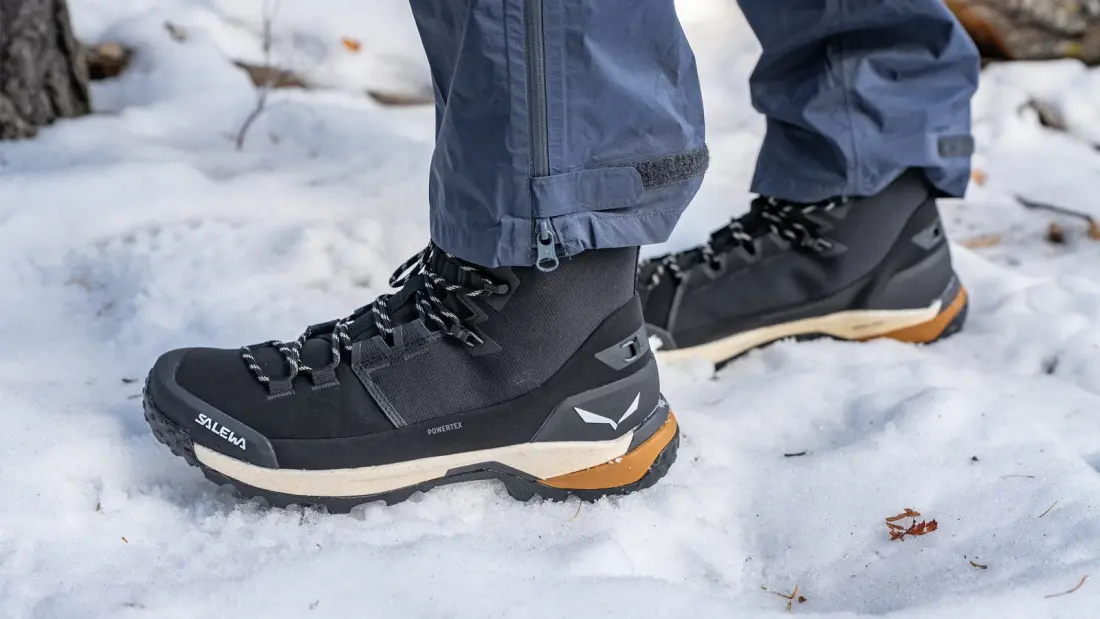
The overall winner is the Salewa Puez Winter Mid Powertex, and it earns the spot for comfort as much as warmth. It needed zero break-in, weighs about a pound per boot (men's size 10), and testers kept wearing them long after hikes ended. The warmth comes from 200 grams of Primaloft Gold insulation in the toe box, a wool-and-cotton lining and a felt-lined footbed — good down to around 6°F while moving, though not for standing still in the cold. A PFAS-free waterproof membrane kept feet dry through 40 minutes in an icy river.
For static, sit-in-the-snow activities like hunting, the Meindl Comfort Fit Pro Hunter 300 is the pick: 300 grams of insulation kept feet warm through 45 minutes in snowbanks, with a wide toe box and Gore-Tex waterproofing. The trade-off is bulk — 2.6 pounds per boot and a moon-boot look.
The other standouts cover specific niches. The Salomon X Ultra Snowpilot handles both snowy sidewalks and trails — testers took it snowshoeing through a storm in Maine's 100 Mile Wilderness in temps in the low teens — though its four-inch cuff lets deep powder sneak in. The North Face Fastpack Mid Waterproof skips insulation entirely, which makes sense for milder winters and wet shoulder-season miles; testers wore it comfortably into the low 30s°F with thick merino socks. The Oboz Katabatic Storm GTX, tested down to 15°F in Lake Tahoe, is the fast-and-light option with speed lacing, though it pulls on awkwardly and offers soft ankle support. Rounding out the list: the Columbia Expeditionist Extreme as a comfortable everyday do-everything boot, and the Hoka Kaha 2 Frost GTX for long days on trail.
Why should a traveller care? Because the right boot is often the difference between a scheduled winter walk that happens and one that gets cancelled by cold feet. If you're planning a snowy city break with light trail time, the Salomon crossover fits. Milder destinations like New Mexico or coastal winter trips call for an uninsulated boot like the North Face. Deep-winter trekking or snowshoeing trips demand the insulation of the Salewa or Meindl. Match the boot to how static you'll actually be — that's the test's most useful takeaway.
Backpacker