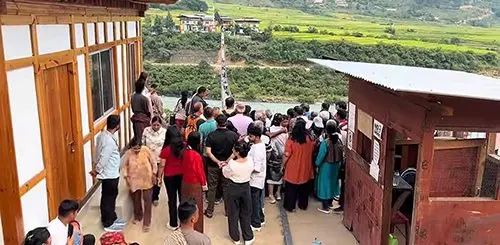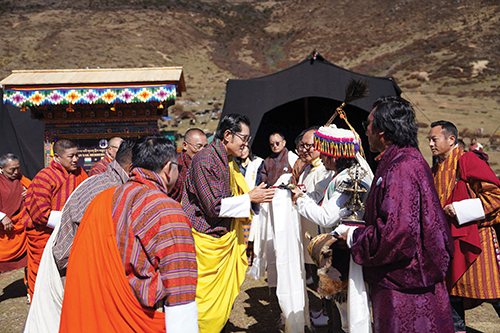
High up in Laya, in the northern district of Gasa, Bhutan's most atmospheric mountain festival unfolded once again this year. The Royal Highland Festival ran on 23 and 24 October 2026 at Langothang, with His Majesty The King in attendance on the opening day.
The setting is part of the appeal. Yak-hair tents line the festival grounds, and the programme is a snapshot of life at high altitude: traditional songs and dances, local games, animal shows, horse racing, and stalls selling highland food and locally made products. Visitors don't just watch from the sidelines — many stay with local families in homestays, which puts money directly into highland communities and gives travellers a genuinely unfiltered look at a way of life that survives at 4,000 metres.
The festival began in 2016, created by Royal Command to keep highland culture alive and strengthen the economies of remote herding communities. A decade on, it has become popular with Bhutanese and international visitors alike, drawing people willing to make the trek to one of the country's most isolated inhabited valleys.
This edition carried extra weight. The festival hosted the formal launch of the Himalayan Yak Herders' Network — the first regional platform of its kind, connecting yak herding communities across Bhutan, India and Nepal, with its secretariat based in Bhutan. For travellers with an interest in pastoral cultures, it signals that yak herding here isn't a museum piece; it's an active livelihood gaining new regional cooperation and visibility.
There was meaningful news for local residents too. His Majesty granted Khimsa Kidu — a form of royal land grant securing household land tenure — to 57 households from Soe, Lingshi and Tsento. Similar grants have already reached around 800 households in other highland areas including Merak, Sakteng, Lunana and Dagala, giving herding families long-term security to keep living and working in places most tourists only see from afar.
For anyone weighing a trip, the festival is a rare chance to combine Bhutan's dramatic high-altitude north with genuine cultural exchange rather than a staged performance. Getting to Laya takes effort — it's a multi-day trek from Gasa or Punakha — but that difficulty is exactly what keeps the experience special. Expect cold nights, thin air, simple homestay accommodation, and a warm welcome that more accessible destinations can't match. Pair it with a soak in Gasa's hot springs or the well-trodden Snowman Trek route if you have the time and legs for it.
The 2027 dates are typically announced closer to the time, but the festival has consistently fallen in October, when skies are clear and autumn conditions are at their best in the high Himalayas.