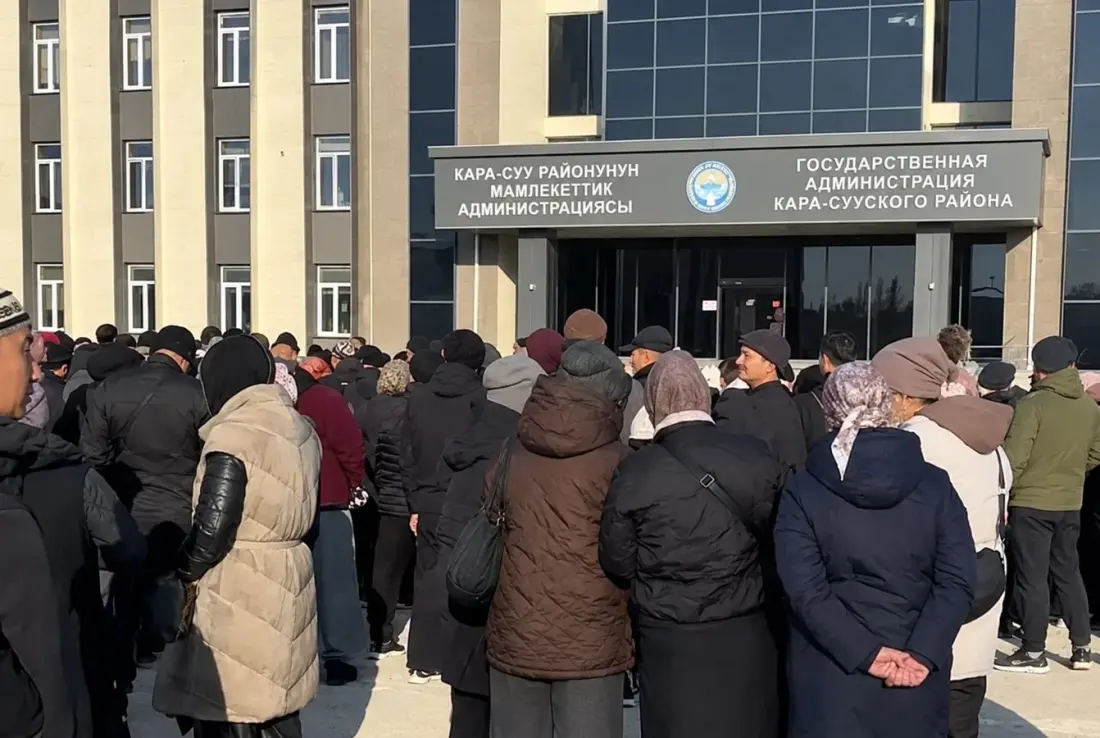
One of Kyrgyzstan's biggest bazaars is in turmoil again. Traders at the Turatali market in Kara-Suu district, in the Osh region of southern Kyrgyzstan, staged their second protest in a month, gathering outside the district administration building to demand a meeting with the local head. The trigger this time: a plan to scrap the subleasing of market stalls and switch to direct rental agreements between the market and the people actually selling there.
The market's management argues the reform targets middlemen, not small traders. Land at the bazaar belongs to the state, but many stalls are owned by outside investors, and some individuals hold dozens of containers. According to the administration, the loudest protesters are people who had been netting 20,000 to 30,000 soms per stall each month and would lose that income stream. A commission from the Presidential Affairs Department is due to visit the market, and its findings will shape how authorities respond.
This follows an October protest over steep rent hikes — monthly land rent jumped from 3,300 to 12,000 soms after a change of management — plus complaints about new charges for upper-level containers used as storage.
The background matters for context. Turatali was recently handed to Kyial, a state-owned enterprise under the Presidential Affairs Department, and management has said all rental agreements will be renewed. President Sadyr Japarov has also announced that a modern shopping complex will be built on the site within 18 months, with pledges that current traders' rights will be respected. Whether that promise holds through the transition is exactly what the street protests are testing.
Why should a traveller care? Kara-Suu bazaar is one of Central Asia's largest and most colourful markets, a fixture on overland routes through the Fergana Valley and a common day trip from Osh city. If you're passing through in the next year or so, expect a bazaar in flux: temporary disruption on protest days, possible reorganisation of stalls and storage, and eventually a move toward a purpose-built retail complex. The authentic chaos of one of the region's great trading hubs may look very different by the time a new complex opens.
If you do visit, the usual bazaar logic applies — go in the morning when trade is liveliest, carry small som notes, bargain politely, and keep valuables close in the crowds. And it's worth being aware that markets in southern Kyrgyzstan sit at the centre of local economic politics; an unfamiliar dispute over stall rents can occasionally spill into demonstrations near administration buildings, so give any large gatherings a wide berth and move on with your day.