Curaçao is quietly becoming one of the Caribbean's fastest-growing destinations for American travellers. In October alone, 17,169 US visitors stayed overnight on the island — a 12% jump on the same month last year, and the second consecutive month of double-digit American growth after September's 20% surge.
The bigger picture is just as striking. Through the first ten months of 2026, the island has welcomed 186,884 American stayover visitors, about 26% of all arrivals. Only the Netherlands — with its deep historical ties to the former Dutch colony — sends more, at 218,227. Overall, Curaçao topped 710,000 stayover arrivals by the end of October, up 11% year on year, and is on track for its strongest year yet.
So what does the typical American trip look like? Longer on the resort side and heavier on the wallet. Two-thirds of October's US visitors booked resort hotels, versus 55% of all visitors, and the biggest age bracket was 25 to 44. Americans average 5.9 nights — shorter than the island-wide eight, and well below the 10.9 nights the Dutch tend to stay. But they spend far more: an average of $407 per person per day in the tourist board's 2025 exit survey, nearly double the $206 Dutch visitors spend and well ahead of Colombians at $275.
The growth isn't just American. North American arrivals rose 15% in October, and South America grew fastest of all, up 26%, driven by a 23% jump in Colombian visitors. The Netherlands remains the single largest monthly market with 21,877 arrivals, though that figure dipped 1%. Cruise is climbing too: 73,705 cruise passengers came ashore on 23 calls in October, up from 53,360 the year before.
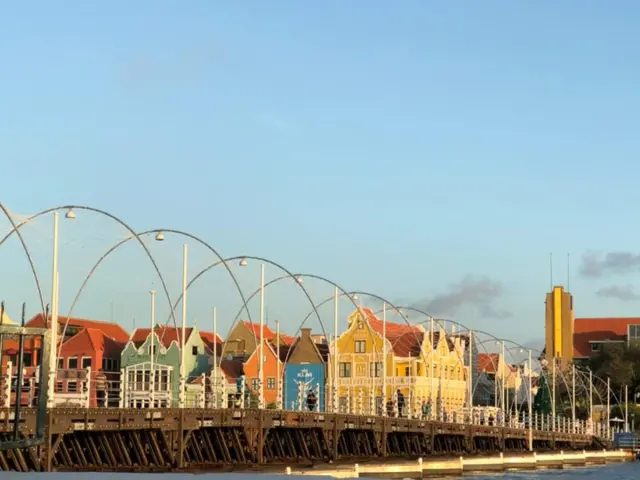
For anyone who has been sitting on the fence about Curaçao, this is the moment to pay attention. Rising demand usually means more flights, more resort investment and a busier high season — so booking early for winter dates makes sense. The island's appeal is easy to explain: Willemstad's candy-coloured UNESCO-listed harbour district, more than 35 beaches around the island's sheltered southwest coast, and some of the Caribbean's best diving right off shore. It also sits outside the main hurricane belt, making it a safer bet for late-season Caribbean trips than islands further north.
The profile of the American visitor — youngish, resort-staying, high-spending and staying under a week — suggests Curaçao is increasingly competing with the likes of Punta Cana and Cancún for the US sun-and-beach crowd, but with a distinctly Dutch-Caribbean flavour: think inland pupsadas, gondola-style floating market boats, and a food scene that mixes Dutch, Indonesian and Latin American influences.