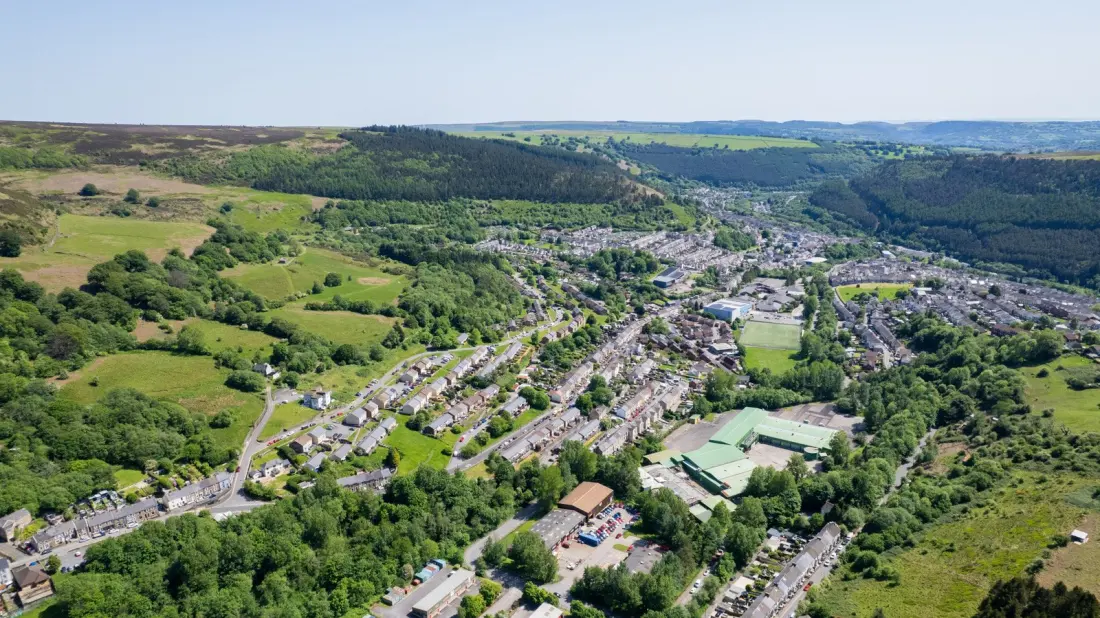
Skip the crowds in Cardiff and point the car north for an hour. That's all it takes to reach Blaenau Gwent, a county borough where the Welsh coalfields fade into the high ground of the Bannau Brycheiniog National Park. It's a corner of South Wales most visitors bypass, which is exactly the appeal: river valleys, heather moorland, and former mining towns with stories worth stopping for.
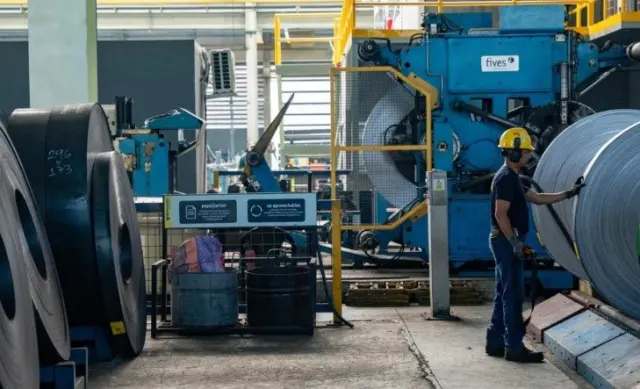
The heritage here is heavy industry. Ebbw Vale grew from 1700s mining and became home to ironworks and steelworks so vast they ranked among the biggest in Britain. The Ebbw Vale Works Museum preserves that era in steel-making artifacts, while the Guardian — a 65-foot metal figure on a hillside — commemorates the 1960 mining disaster that killed dozens of local men. In a neat twist, Festival Park in Ebbw Vale now sits where the steelworks once roared: today it's lakes for fishing, an owl sanctuary, and open green space.
Tredegar, just west, might be the most historically surprising town in Wales. Not only was it an Industrial Revolution boomtown, it's also the birthplace of an idea: the local medical society here reportedly inspired Aneurin Bevan, the health secretary who created Britain's National Health Service. A dedicated heritage trail threads through town linking the key sites.
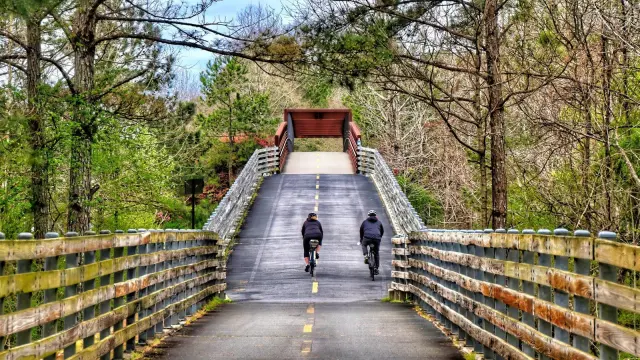
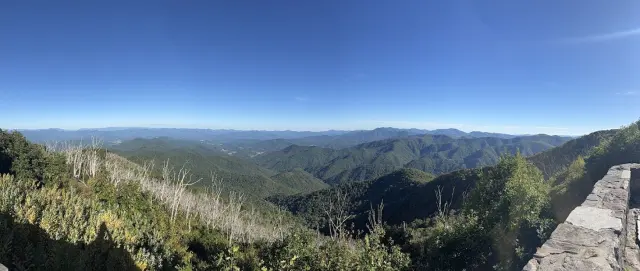
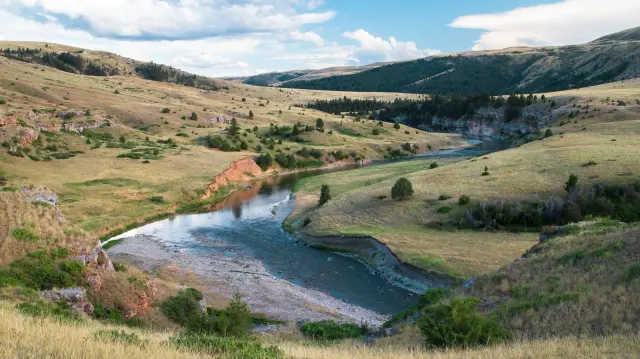
Then there's the walking. Blaenau Gwent's towns butt directly onto the southern edge of Bannau Brycheiniog National Park, where trails range from gentle valley strolls to full-day routes nearing 10 miles. You don't even need to leave the borough — the Ebbw Fach Trail follows the area's industrial past on foot or bike, and the Silent Valley Nature Reserve offers two signed paths under centuries-old beech trees alongside mountain streams.
For the headline hike, the Pen y Fan Horseshoe trailhead is only about 30 minutes' drive away. The route loops around the highest peaks in South Wales and is arguably the region's most popular walk — arrive early on summer weekends or the car park will beat you to it. Once you've bagged that, Eryri (Snowdonia) National Park, the largest in Wales, lies further north for a second act.
Why bother with Blaenau Gwent when the Brecon Beacons get all the press? Because it's a two-for-one: a genuinely rural patch of upland Wales with empty trails, plus a raw, honest slice of the industrial history that shaped modern Britain. It suits road-trippers ticking off the Heads of the Valleys Road, hikers wanting a quiet base near Pen y Fan, and anyone curious about where the NHS began. Flights land at Cardiff Airport an hour south, or it's around three hours by car from London Heathrow — with the medieval market town of Abergavenny close enough to fold into the same trip.
Story via Islands.