During the closing ceremony of the Sydney 2000 Olympics, weather radars picked up what looked like a storm rolling towards the city. It wasn't rain – it was billions of bogong moths, drawn off their annual migration towards the Alps by the bright lights of Stadium Australia. That's the kind of scale these small brown moths used to appear in, and for decades it seemed gone for good.
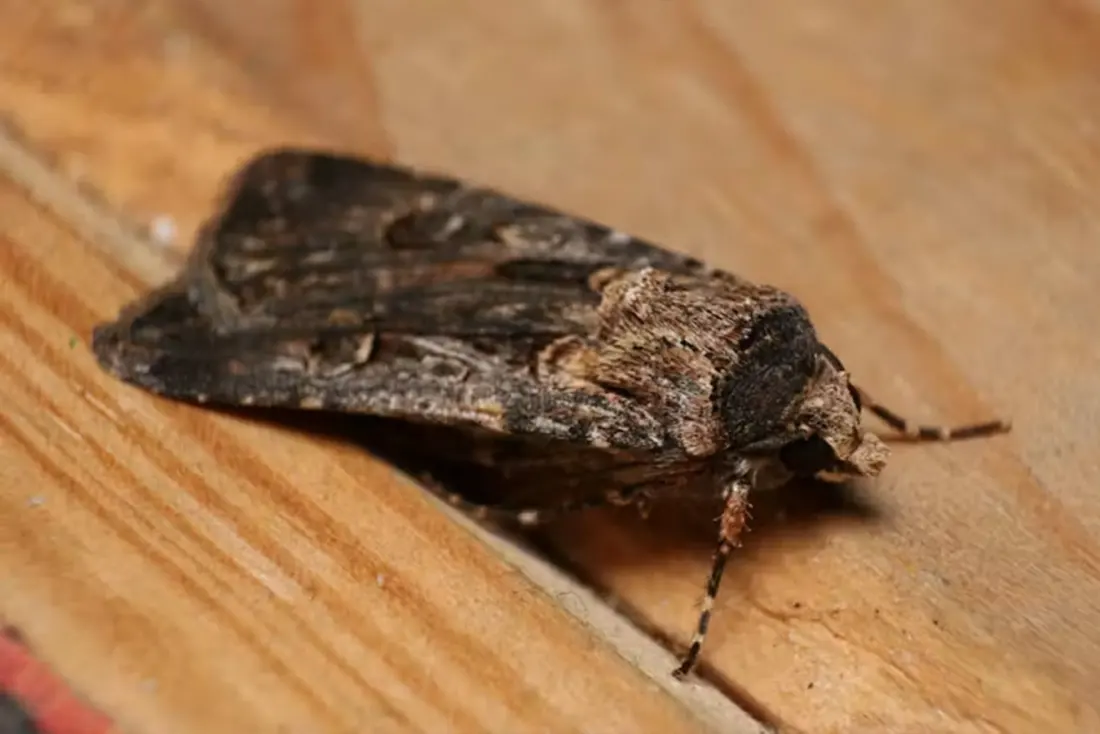
Bogong moths (Agrotis infusa) make one of the more remarkable journeys in the insect world, flying up to 1,000 kilometres from inland Australia to shelter in the cool caves of the Snowy Mountains in southern New South Wales over summer, then returning to breed. Their numbers collapsed catastrophically – down 99% between 2017 and 2019 alone – hammered by drought, habitat loss, climate change and light pollution that scrambles their star-based navigation.
This year, though, they're everywhere again on the east coast. Two wet years have created ideal breeding conditions, and strong winds appear to have blown many off course and into Sydney, where people are finding them tucked into every corner of their homes. Scientists say the resurgence is a valuable data point, and they need the public's help tracking it: photos of any bogong moths you spot can be uploaded to Moth Tracker or iNaturalist.
There's a conservation idea at play here, too – "shifting baseline syndrome". Anyone under a certain age may assume a handful of moths is normal, while older Sydneysiders remember when they swarmed by the million. The more people notice insects, the better scientists understand what's actually happening to populations.
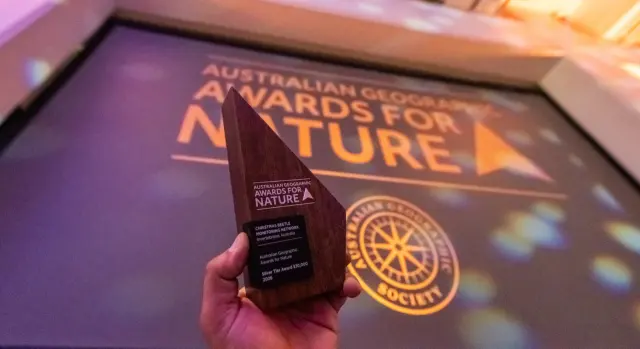
Bogongs aren't the only comeback story needing eyes on the ground. Christmas beetles – the iridescent, metallic-hued beetles that once emerged in their millions each December across eastern Australia – have quietly become scarce, likely due to habitat destruction. Australia has no formal monitoring program for them, so citizen scientists are effectively the census. Amateurs have also helped discover new stick insect species and even an undescribed spider, spotted by someone simply paying attention to the wildlife on their rubbish bin.
For travellers, this makes spring an unexpectedly rewarding time to be in eastern Australia. The advice from entomologist Caitlyn Forster of the University of Sydney is refreshingly low-effort: pause when you find a bogong moth instead of just shooing it outside; listen for cicadas, which start up in spring; watch flowers for bees and hovering insects; and look for Christmas beetles emerging from the soil in late spring. A phone camera is all the equipment you need to contribute real scientific data while you travel.
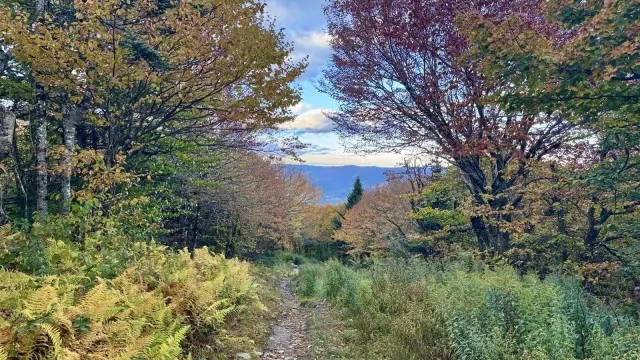
It's a genuine holiday activity, not just a novelty. Hiking in the Snowy Mountains, wandering Sydney's gardens or road-tripping the east coast in October or November puts you in the middle of one of the world's great insect events – and this year, you might actually witness it.