A wave of fake bomb threats has disrupted flights across Europe this week, and the bad news for affected passengers is that most won't be owed a penny in compensation.
The UK Civil Aviation Authority has indicated that bomb hoaxes fall under the category of "extraordinary circumstances" — events outside an airline's control, like security risks or severe weather. Under UK and EU261-style rules, that typically rules out fixed cash payouts for delays and cancellations.
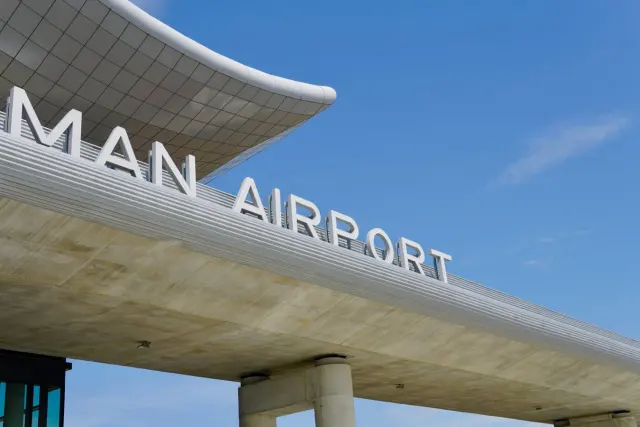
The scale of the disruption has been significant. Heathrow and Birmingham airports both received threats, while flights bound for European cities departed from London Stansted, Newcastle and Glasgow. Several aircraft were diverted mid-route and others made emergency landings. The UK government has characterised the threats as "malicious hoaxes", and the week has also seen cyber attacks targeting European supermarket refrigeration and blood banks, raising wider concerns about coordinated information warfare. IATA has called on authorities to trace whoever is behind the hoax alerts.
So if you were on one of those flights, where does that leave you? Not entirely empty-handed, according to Rory Boland, editor of Which? Travel. Even when compensation doesn't apply, airlines retain a legal duty of care. In practice that means meals and drinks proportionate to your wait, and a hotel room plus transfers if you're stranded overnight. You're also entitled to choose between a refund of the unused ticket or rerouting to your destination at the earliest opportunity.
There's one caveat worth knowing: in security-related disruption, even rerouting can take longer than usual. If an airport is temporarily closed while a threat is assessed, there may simply be nowhere for your flight to land, so delays can stretch beyond what you'd expect in a routine cancellation.
For travellers, the takeaway is straightforward: keep receipts for any food, hotels or transport you book yourself, as you can claim those back from the airline even when the flat-rate compensation isn't on the table. Push for the refund-or-reroute choice rather than accepting an open-ended delay. And don't be fobbed off with "it was extraordinary" as a blanket excuse — that line applies to compensation, not to the airline's basic obligations to get you fed, housed and moved.
Aviation security measures, IATA notes, remain in place to maintain public safety — small comfort when you're stuck on the tarmac, but relevant to the paperwork afterwards.