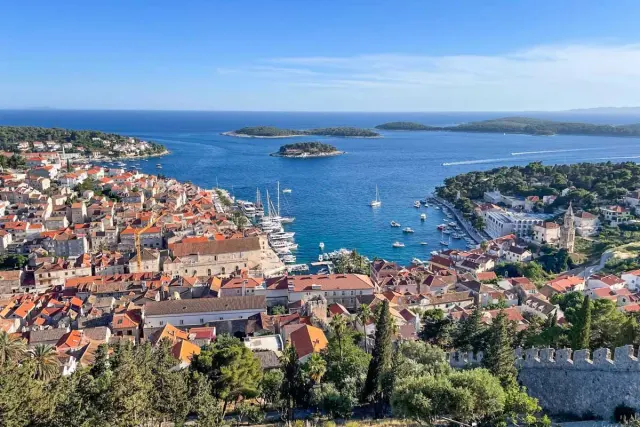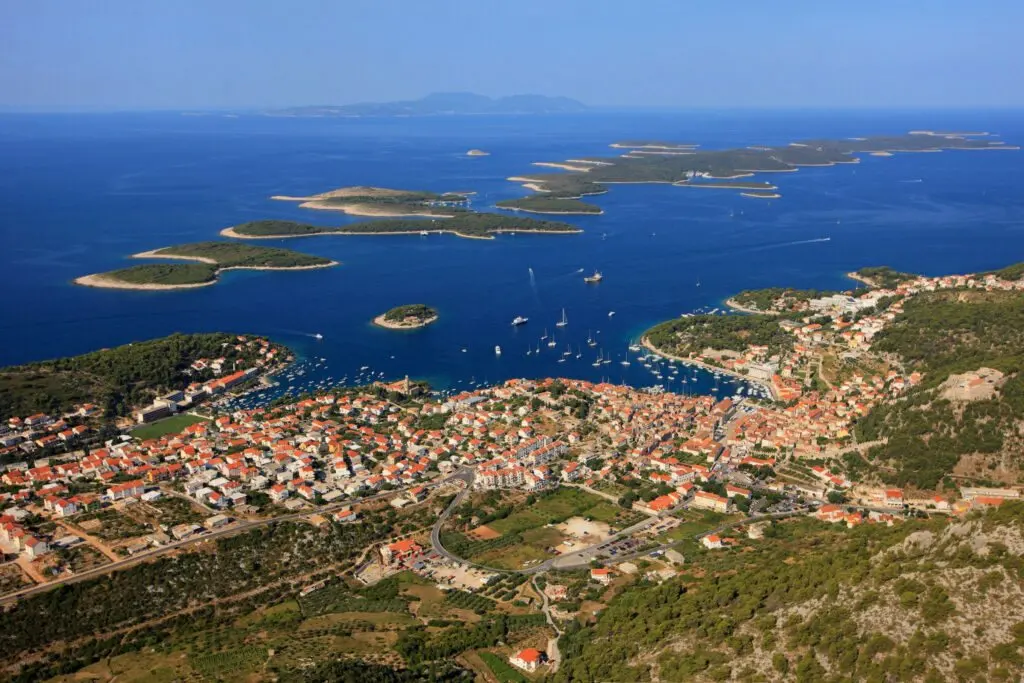
The Croatian islands have picked up another accolade, this time winning Gold in the Most Desirable Region (Europe) category at the 2026 Wanderlust Reader Travel Awards, announced in London in early November. With somewhere between 1,185 and 1,246 islands depending on who's counting — 50 of them inhabited — Croatia's Adriatic archipelago has clearly found its fanbase.
What makes the award interesting is the reasoning behind it. The judges' citation framed the islands' rise as a grassroots discovery story rather than a passing trend. Travellers crowding Croatia's mainland hotspots are heading offshore and finding a very different pace of life. Beyond the headline names of Hvar, Brač and Korčula sit quiet, car-free communities like Silba; Mljet, whose entire north-western end is a national park; and Lastovo, a candidate to become an official Dark Sky Park thanks to its pristine night skies. UNESCO-listed Trogir offers history, and sailing trips from Vis aboard traditional sardine-fishing boats give even the transport a slow-travel feel.
Hvar itself has form: it was also named among Europe's best islands in the 2026 Condé Nast Readers Traveler Awards, and it lays claim to Europe's first public theatre plus more UNESCO heritage than any other Croatian island. But this Wanderlust gold belongs to the whole archipelago, and the islands punch well above their weight on odd, fascinating trivia too. Korčula was reportedly the first place in the world to abolish slavery, Vis claims the birth of cricket in mainland Europe, and Hvar is credited as the birthplace of organised tourism in Europe.
So why should a holidaymaker care? The award is a useful shortcut for anyone planning a Croatian trip that goes beyond Dubrovnik's walls and Split's waterfront. Island-hopping here isn't one experience but many: national park walking on Mljet, stargazing on Lastovo, beach club energy on Hvar, and near-silent lanes on car-free Silba. Ferries and catamarans from Split and Zagreb connect the main islands in season, and shoulder-season travel (May-June, September-October) delivers the scenery with fewer crowds.
For travellers weighing up where to go in Europe next year, a gold-standard endorsement from readers rather than industry judges is a decent sign the islands deliver on the hype — just book ferries and accommodation early for July and August.