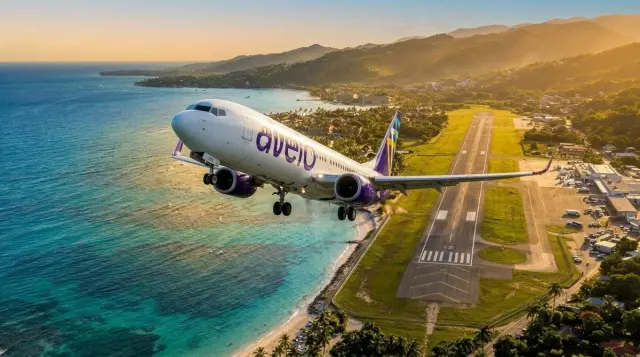
Croatia's interior ministry has confirmed a joint charter deportation: 36 Egyptian nationals, all in the country illegally, were flown from Zagreb to Cairo on a special flight escorted by Croatian police, Frontex officers and an Arabic interpreter. Some of those on board were facing criminal proceedings linked to human smuggling.
The flight cost 77,350 euros, covered by the European Asylum, Migration and Integration Fund (AMIF). That figure matters because the ministry did the maths: removing people on scheduled passenger flights requires two or three police escorts per individual for security reasons, which would have pushed the bill for 36 people to around 144,000 euros — roughly double the charter option.
Croatia's Police Directorate says group flights are now its preferred method when larger numbers of nationals from one country need to be returned, and more are planned. The ministry insists all procedures follow legal and security rules.
The scale behind this single flight is much larger. Ministry figures show Croatia has returned 6,885 people through official return and transfer procedures this year, while accepting 1,005 migrants under the Dublin procedure — the EU mechanism that decides which member state should examine an asylum claim.
Why does this matter to travellers? Croatia sits on one of Europe's busiest land migration routes through the western Balkans, and border controls have periodically caused queues at crossings with Slovenia, Hungary and Serbia — especially during summer peak season. Enforcement operations like this one feed into the wider debate over Croatia's Schengen border management. Practical impact on holidays is usually minimal, but it's worth knowing about if you're driving into or out of Croatia and factoring in possible border delays. For the most part, this story is about how EU member states handle migration logistics and costs — a behind-the-scenes operation most visitors never see.