At least 27 flights across Europe were disrupted on Thursday in the second wave of bomb threats within a week — and in every case, nothing was found.
The scale of the response shows how seriously authorities are taking the hoaxes. French fighter jets intercepted an Aer Lingus flight from Dublin to Rome carrying more than 150 passengers and escorted it to an air base in Normandy. Bulgaria's air force scrambled to bring three airliners down safely. In Madrid, police searched aircraft operated by Air Europa and Iberia after three emailed threats arrived in under 20 minutes.
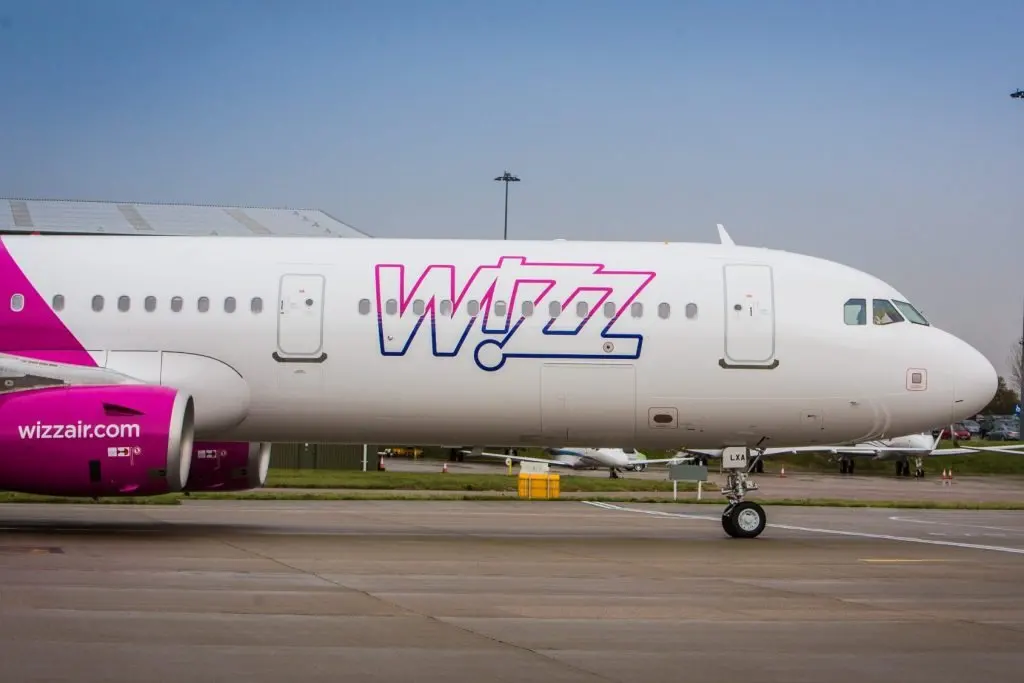
This follows threats on Monday and Tuesday targeting Wizz Air, Ryanair, LOT and Scandinavian Airlines flights — plus, oddly, a cruise ship in Greece. No government has named a suspect, and Bloomberg reported no obvious pattern in which carriers or routes were hit. Security experts have floated a range of explanations: copycats, a single actor, or something more deliberate. Matthew Borie of risk firm Osprey Flight Solutions suggested it could even be "hybrid warfare" by state actors, pointing to a possible Russian connection — something Moscow denies. European capitals have accused Russia of sabotage campaigns this year, which adds a tense backdrop.
For the airlines, the real damage is financial. Every threat that gets acted on means a diversion or a cancelled departure, a full aircraft search, often a substitute plane, crews exceeding their legal duty hours, and hundreds of passengers needing rebooking. Insurers generally won't cover those commercial losses, so the carriers eat the cost themselves.
The timing couldn't be worse. European carriers are already juggling jet fuel prices that have more than doubled compared with a year ago, Middle East airspace closures that force longer routings to Asia, and a string of drone incursions near airports. Hoax threats on this scale add an unpredictable operational headache to an already stretched system.
What should travellers take from this? If you're flying within or to Europe right now, build buffer time into connections and know that diversions to military or regional airfields — while rare — can strand you somewhere unexpected for hours. Keep essentials in your hand luggage, have your airline's rebooking channels ready, and don't panic if your flight is met by an unusual escort: the heightened response is exactly what's supposed to happen, and the safest outcome here is precisely what we've seen so far — planes grounded, searched, and everyone walking away.
With no culprit identified and no pattern to predict, the disruption could continue or stop tomorrow. Either way, it's a reminder that even when nothing explosive is on board, a false alarm can still blow up your travel day.
Reported by Skift.