Drive any decent stretch of Mexican highway and the odds are good you'll roll up to a military checkpoint. They're a routine part of road travel here, and knowing how they work takes the sting out of the encounter.
There are two kinds: permanent installations on fixed routes, and pop-up checkpoints that can appear on virtually any road, day or night. Some wave every vehicle through; most simply narrow the road into a bottleneck so soldiers can pick out certain cars, buses or trucks and wave them into an inspection area at the roadside.
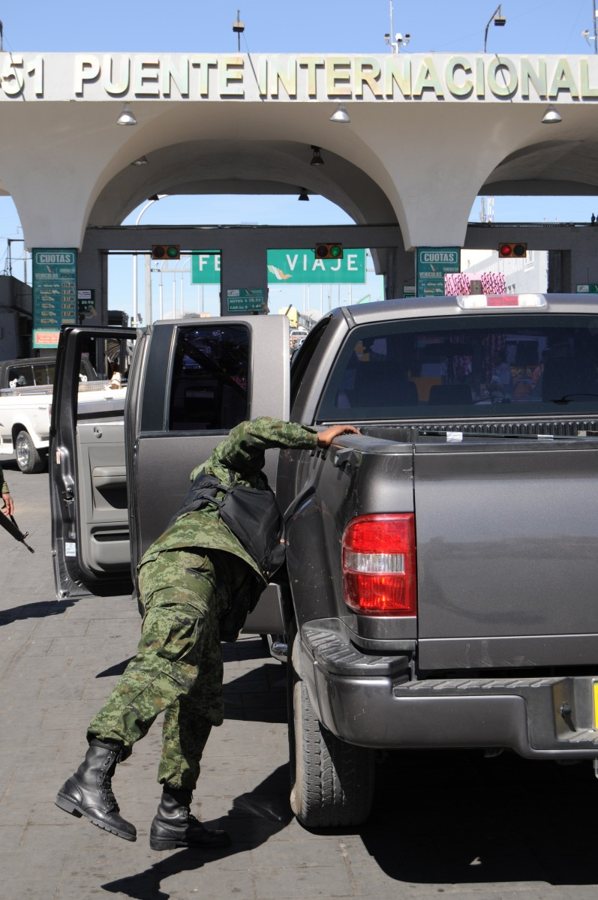
If you're on an intercity bus, officers may signal the driver to stop, send a search dog around the luggage hold, or board the bus themselves. In a rental or your own car, the lead officer will typically ask to see what's in the trunk and may ask you to step out while they look around. Under-car mirrors and drug-sniffing dogs are common at the bigger posts. The whole thing is usually over in a few minutes. The best approach is simple: stay calm, be polite, and do what the officer asks. Unless traffic has backed up on the approach, a checkpoint is unlikely to dent your schedule in any meaningful way.
So what are they actually looking for? Mostly the illegal movement of goods. Beyond narcotics, officers check for unlicensed precious woods like mahogany, illegal firearms, stolen archaeological artifacts, and commercial trucks carrying restricted cargo without proper paperwork.
Two things are worth flagging for foreign visitors. First, enforcement around Permanent Residents driving foreign-plated vehicles has reportedly shifted recently, so if that's your situation, check the current rules before you set off. Second, in the unlikely event you or your vehicle are detained, ask why, and as a foreign national request contact with your country's consulate. That's your right — but honestly, detentions are rare and most travellers never get beyond a trunk glance.
Who does this matter to? Anyone planning a self-drive trip in Mexico — whether that's the Baja peninsula, the Yucatán, or a cross-country route — as well as travellers using long-distance buses, since those get pulled in too. Treat checkpoints as background noise rather than a warning sign, keep your documents handy, and keep moving. They're not a reason to avoid driving in Mexico; they're just part of how the roads work.