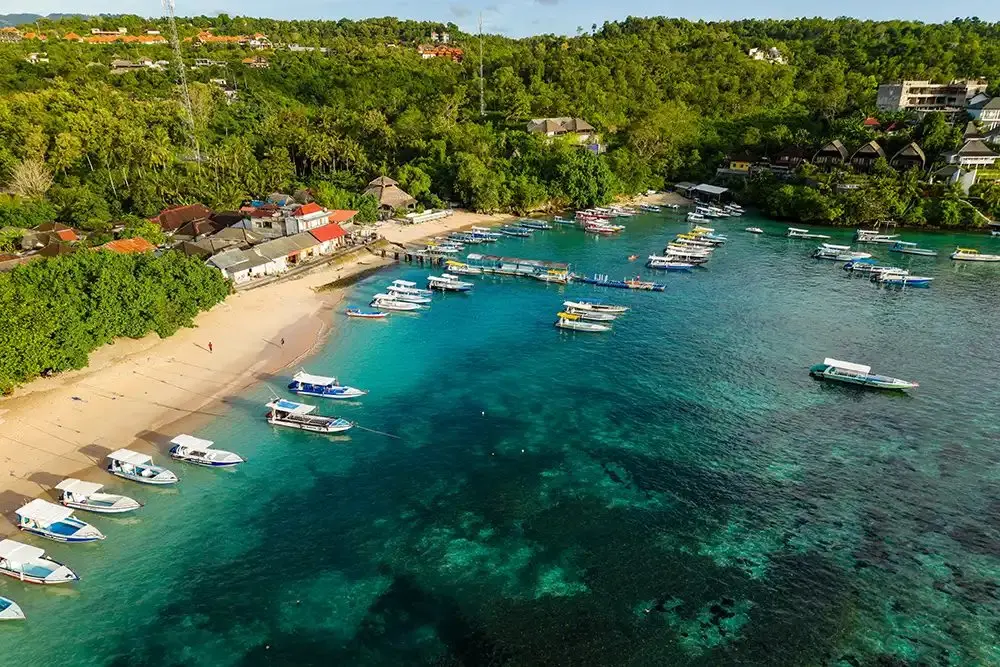
A 57-year-old British scuba diver has died following a dive at Toya Pakeh, a well-known site off the northwest coast of Nusa Penida, the island east of Bali famous for manta encounters and mola mola sightings.
Local police, who identified the man only by his initials, AC, said he had already completed a morning dive at nearby Crystal Bay before moving to Toya Pakeh for his second dive of the day. According to a statement from Klungkung Police, he surfaced with his dive guide at around 11.06am but lost consciousness shortly afterwards. The guide called over a boat crew from the vicinity, who pulled him from the water, performed CPR and rushed him to Nusa Medica Clinic on Penida, where he was pronounced dead on arrival.
Officers from the Nusa Penida police station were at the clinic within about half an hour of the incident being reported and have since been taking witness statements. The body was to be transferred to Gema Santhi Hospital while police wait to hear whether the family wants a post-mortem. No details about the man's diving experience, certification or the depth and duration of his final dive have been released.
The death is a stark reminder of the conditions that make this corner of Bali so rewarding — and so demanding. Toya Pakeh sits at one end of the narrow channel separating Nusa Penida from the small islands of Nusa Ceningan and Lembongan, with coral gardens and a sloping reef looking out over fast-moving water. Crystal Bay, at the opposite end of the channel, is the launch point for mola mola dives in season. Both sites are notorious for strong currents, sudden downcurrents and cold thermoclines that can drop the water temperature sharply even on a tropical day.
The incident is not isolated. Recent reports from the same stretch of water include a Malaysian diver who died after an emergency at Crystal Bay, an Australian diver who died at Nusa Penida's Manta Point, and a Norwegian tourist killed by a snorkel boat off Lembongan. The islands' dive operators work in genuinely dynamic marine conditions, and even experienced divers get caught out.
For anyone planning a trip to Nusa Penida, the takeaway is straightforward: the sites here reward preparation. Check that your operator briefs thoroughly on current procedures, stay close to your guide, and be honest with yourself about your experience level when the day involves multiple dives at exposed channel sites. Surface incidents like this one can happen regardless of fitness or certification, which is why buddy checks, conservative air margins and knowing emergency contacts for the island's clinics all matter.
Nusa Penida remains one of Southeast Asia's standout dive destinations — mantas at Manta Point, sunfish in the cooler months, dramatic drift dives — but it is not a place for casual first dives after a long break. The conditions are part of the appeal, and part of the risk.