Renting a car or even just navigating on foot in Mexico gets a lot easier once you know the country's street vocabulary isn't interchangeable — each word tells you something practical about the road ahead.
Start with the basics. A "calle" is any street, with "calle principal" flagging a main route, while "avenida" and "bulevar" turn up on grander thoroughfares. A "callejón" is a narrow alley and a "retorno" is worth knowing twice over: it can mark a dead-end, but on main roads it often signals a designated U-turn point, sometimes cut into the median strip (the "camellón"). A "cerrada" or "privada" usually means a private, dead-end road — probably not your shortcut.
The sign that matters most on a driving trip is "Cuota" versus "Libre". Toll motorways are "autopistas", signed "Cuota" (the toll itself is the "peaje"), and they're generally the faster, safer option for long distances between cities. Free federal highways — "carreteras", often signed "Libre" — are typically two-lane roads with occasional overtaking stretches, slower but often more scenic. Watch for "entronque" signs, meaning a merge or junction: "Entronque Peligroso" warns of a dangerous merge, sometimes on the left (overtaking) side rather than the usual right, so stay alert.
In towns, "libramientos" are relief roads built to route through-traffic around a centre, and "periférico" is the ring road — Mexico City even has a tolled elevated second deck above its beltway, known as El Segundo Piso, which needs an electronic toll tag on your windscreen. A "lateral" is a parallel service road running alongside a main road, handy for reaching shops and exits. On the coast, the "costera" is the seafront road, and many resort towns have a "malecón" — a pedestrian esplanade along the water, often with lanes for cyclists and skaters.
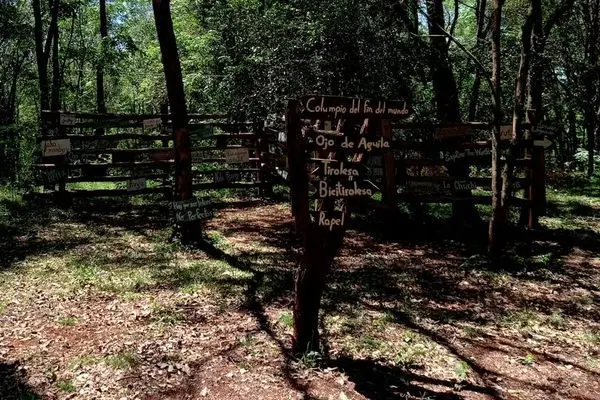
For walkers, "sendero" covers footpaths and nature trails, while "paseo peatonal" means a pedestrianised street or shopping promenade. And "pasear" is a wonderfully flexible verb: it means to stroll or drive out, to hang out with no fixed plan, or even to be away on holiday — "estoy de paseo" means you're off travelling.
Knowing these terms isn't trivia. Road signage in Mexico assumes you speak the language of roads: choosing "Cuota" over "Libre" can halve your journey time, spotting a "retorno" saves a frustrating dead-end, and recognising "entronque" warnings keeps you safe on fast merges. It's equally useful on foot — following signs to the "malecón" will take you straight to the seafront in most coastal towns. Ten minutes with this vocabulary pays off the moment you leave the airport.
Mexperience