Hà Nội has signed off on an ambitious plan to position itself as Vietnam's leading tourism centre and one of three national tourism "growth poles" through 2030. For travellers, that means more attractions with official recognition, better digital tools, a livelier night-time scene and a push toward sustainable tourism — all backed by serious numbers.
The targets are sizeable. The city expects 47-50.5 million visitors by 2030, including 13-15 million international arrivals, with tourism revenue projected at VNĐ295-340 trillion (roughly US$11.4-13.2 billion). At least 10,000 new four- and five-star hotel rooms are planned, so accommodation options should expand noticeably at the upper end.
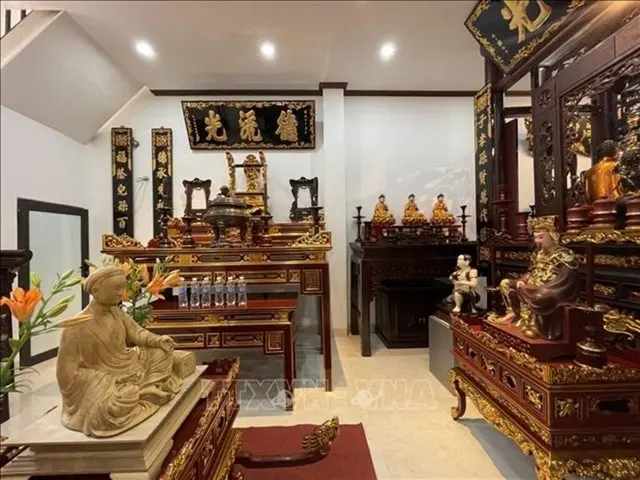
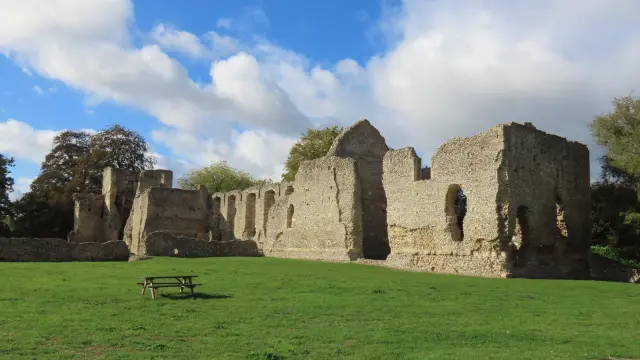
Heritage is the headline product. Three areas — Hoàn Kiếm Lake and the Old Quarter, the Ba Vì tourist area, and the Hương Sơn Scenic Area (home to the Perfume Pagoda) — are being prepared for National Tourist Site status. Craft and ancient villages are getting international-standard development too: Đường Lâm already holds a "best tourist village in the world" title, while Vạn Phúc silk village and Bát Tràng ceramics village carry international craft tourism recognitions. Chuyên Mý lacquerware and Minh Châu are also on the upgrade list.
The digital side matters most day-to-day. A new platform called HanoiGo, due to go live by late 2026, will offer multilingual information on destinations, itineraries, reference prices and booking — a handy antidote to the patchy, sometimes conflicting info travellers currently navigate. The city wants 70 per cent of key attractions digitised and data-connected by 2030.
Night owls and foodies should benefit most. Building on its night-time economy resolution, Hà Nội plans three to five new pedestrian streets linked to food streets, cultural performances and night tourism, plus annual festivals celebrating food and craft villages. Around Hoàn Kiếm Lake and West Lake, new cultural and entertainment spaces are being developed with an eye to drawing around 5 million visitors a year. A pilot tourism-entertainment-commerce zone operating around the clock is under consideration, alongside a VAT refund scheme at selected shopping destinations — a genuine money-saver if it lands.
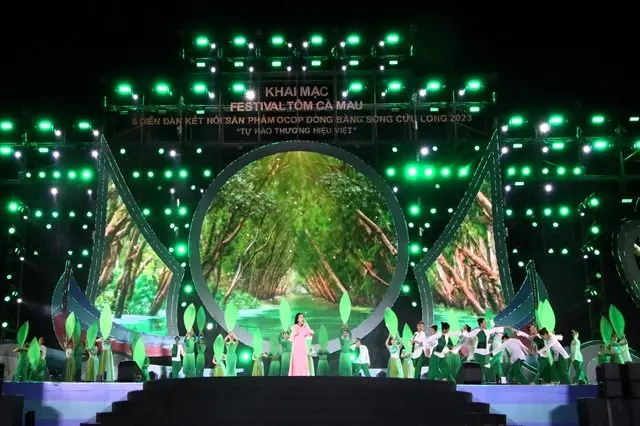
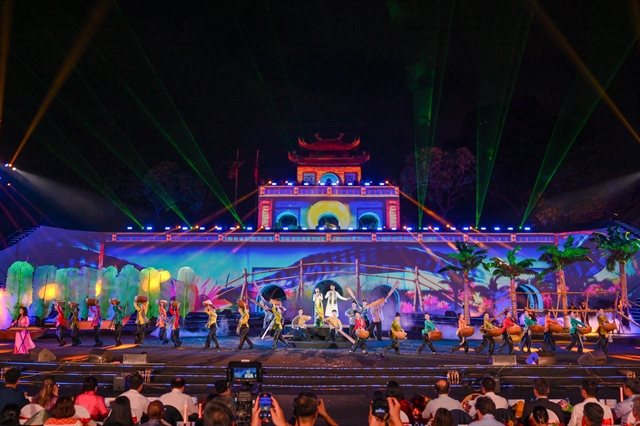
There's also a seasonal brand in the works: "Autumn Hà Nội", packaging the capital's heritage, cuisine, art and events around its most photogenic season. Major fixtures like the Thăng Long-Hà Nội Festival, the Creative Design Festival and the World Culture Festival (just held at the Thăng Long Imperial Citadel) will be scaled up, with international music and street art festivals under research.
None of this changes what makes Hà Nội worth visiting now — the Old Quarter's lanes, the street food, the lakes at dusk. But if the plan delivers even half of it, a trip after 2027 should feel smoother, better signposted and livelier after dark. Travellers with flexible dates might time a visit to the autumn festival season or hold off on high-end bookings until the new hotel stock arrives.