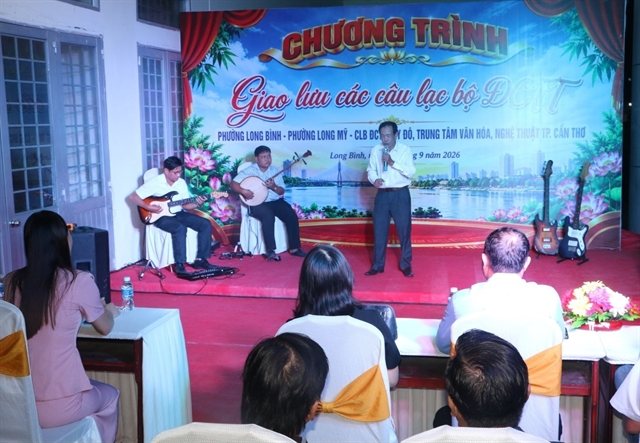
In Vietnam's Mekong Delta, a 19th-century chamber music tradition is getting a very 21st-century boost. Cần Thơ City has rolled out a monthly programme of exchange meetings among đờn ca tài tử music clubs — informal sessions where amateur and professional musicians meet, play and sharpen their craft. With more than 500 tài tử clubs and groups operating at grassroots level across the city, the scene is one of the liveliest in southern Vietnam.
The exchanges run once a month in wards and communes, each lasting about an hour. They're not concerts so much as open workshops: artists introduce original tài tử compositions, explain the genre's history, and train younger performers on the genre's signature instruments — the đàn bầu (a one-string zither), đàn kìm (a two-stringed guitar), đàn cò (a two-string vertical fiddle) and đàn tranh (a plucked zither). Clubs also tour schools and community centres with hands-on demos and talks, aiming squarely at the younger generation.
The city's Centre for Culture and Arts, which coordinates the effort, says digital platforms are now part of the strategy too — performances are recorded and shared online to reach audiences far beyond the delta. Nguyen Thi Kieu Nga, the centre's deputy director, framed the meetings as a way to keep artists practising and clubs active, with plans to expand the playground format to more grassroots groups. Local wards like Long Binh are doing their bit, helping set up new clubs and staging competitions with neighbours.
Why should a traveller care? Đờn ca tài tử is the root of vọng cổ (the "nostalgic tune") and cải lương reformed opera, styles you'll hear at festivals and family celebrations across the Mekong Delta. UNESCO inscribed the genre on its Intangible Cultural Heritage list in 2013, and it was born here in the south more than a century ago. That means visitors to Cần Thơ aren't seeking out a museum piece — they're hearing living music that thousands of local artisans, musicians and singers still perform in clubs, homes and community halls.
For anyone staying in the city — perhaps using it as a base for Mekong river trips and floating markets — catching an evening of tài tử music is a genuine alternative to staged tourist shows. Some clubs welcome visitors, and the city's push to bring performances into multi-service centres and neighbourhood venues means chances to hear it are growing. Ask at your hotel or the local tourism office about club sessions; even an amateur gathering has a warmth the big revues can't match.
It's also a story about how heritage survives: not by preservation orders alone, but by giving musicians a reason to meet every month and a next generation to teach. Cần Thơ is betting that community, plus a bit of digital reach, will keep the music playing. Judging by the numbers — 500-plus clubs and thousands of active performers — the bet looks like a safe one.