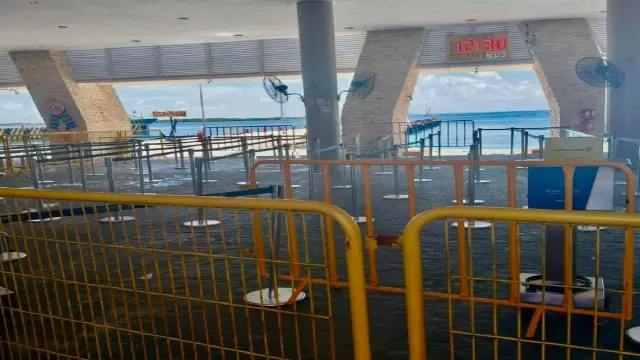
Mexico's environmental watchdog Profepa has temporarily shut down building work at three spots along the Riviera Maya coast after inspections turned up mangrove damage and unauthorised shoreline changes — including a huge pier in Cancún's lagoon and a five-storey building on Holbox Island.
The inspections ran from 26 October to 4 November across three municipalities: Benito Juárez (Cancún), Lázaro Cárdenas (Holbox) and Puerto Morelos. In the Cancún Hotel Zone, inspectors found a T-shaped pier with side platforms under construction in Laguna Nichupté, covering 1,195 square metres within a larger 8,766-square-metre inspected site, with direct impact on mangrove vegetation. That project has been ordered closed until further notice.
On Holbox, the low-key island favoured by travellers who want Isla Mujeres vibes without the crowds, inspectors visiting a plot on Caguama Street on 28 October discovered a five-storey building, a concrete slab and structural groundwork for a swimming pool — 667 square metres built on a 982-square-metre lot. That site, too, has been closed pending environmental review.
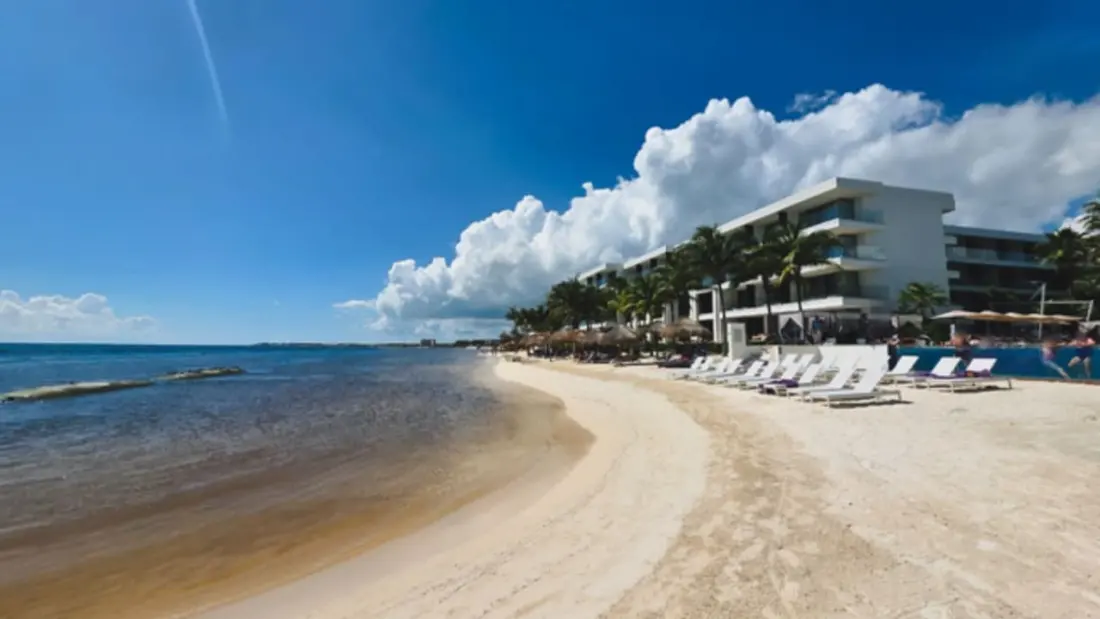
The third case, checked on 4 November in front of the Breathless Hotel in Puerto Morelos, is a different kind of problem: the coastline itself has shifted, with a previously marked Federal Maritime Terrestrial Zone (Zofemat) boundary now merging with the sea. Inspectors documented palapas, sun loungers, wooden structures, kayaks, tables and even a lifeguard lookout sitting on the beach. Profepa is now running a technical analysis of the Zofemat delimitation to decide whether the beach furniture and equipment are legally there at all.
None of the projects could show the federal environmental impact authorisations required from Semarnat, Mexico's environment ministry. Profepa says it will assess the mangrove damage to determine corrective measures and possible ecological restoration, and will keep pursuing administrative proceedings against the companies involved.
Why should holidaymakers care? Mangroves and coastal dunes are what keep these beaches stable and shield the coast from storms — they also store carbon and support the wildlife that makes the region worth visiting. Developments that chew through them degrade exactly what travellers come for. The closures also signal that Mexico is getting tougher on coastal construction, which may mean visible stop-work notices or fenced-off sites in parts of the Hotel Zone, on Holbox and around Puerto Morelos in the months ahead. If you've booked a hotel near these projects, don't be surprised by construction hoardings — or, conversely, by demolition of structures that can't prove their paperwork. For now, none of this affects day-to-day access to the main beaches, but it's worth keeping an eye on local news if your trip hinges on a specific resort or pier.
Profepa has said surveillance will continue across the region, so more fines and closures are possible as the crackdown broadens.