If you're flying into or out of Spokane International Airport (GEG) over the next few years, expect some friction before the payoff. Washington State's second-busiest airport — around 4.4 million passengers in 2025 and projected to top 6.2 million by 2030 — is midway through its Terminal Renovation & Expansion program, better known as TREX, and the current phase means construction disruption at the curb, in baggage claim and along walking routes through 2030.
The most visible change landed in October 2026: the main terminal curbside closed to vehicles and pedestrians while crews relocate water, sewer and gas utilities. All traffic now runs on a two-lane bypass road — the inbound three lanes are down to two — and the setup is expected to last until 2030. Pedestrians get skybridges instead of street-level access. The airport's hourly parking lot is gone too, and drivers picking up arrivals are being pushed to the free Cell Phone Lot (one-hour maximum, no unattended vehicles) rather than circling or idling at the curb. If you're dropping someone off, it still works, but the airport advises arriving early and using the new Short-Term Parking Lot on the first floor of the garage for visits under two hours.
Baggage claim is the other headache. From February 2027, passengers arriving on Alaska, Allegiant and American will collect bags at a temporary facility in the Concourse C Plaza while the old claim area is demolished — an arrangement that runs through 2030. Delta, Southwest, United and Sun Country arrivals keep the existing setup. A shuttle runs every 15 minutes between the temporary claim and the Ground Transportation Center, and the hallway linking the main terminal to Concourse C ticketing will also come down, replaced by a temporary pedestrian path.
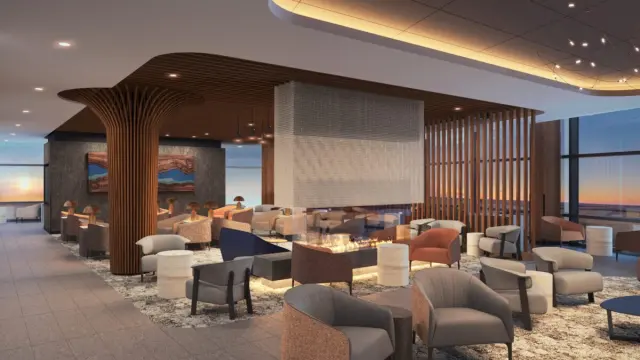
The good news: there's a real endpoint with genuine improvements. Phase 1, the $150 million Concourse C expansion, is already done — 144,000 square feet added, three new gates, six ticket counters, a nursing room, an interfaith prayer and meditation space, and a 41,000-square-foot Alaska Airlines lounge. Phase 2 is the $335 million Central Hall, a 255,000-square-foot building at the heart of the terminal that will consolidate baggage claim into one area, create a single TSA checkpoint for all airlines, and connect Concourses A, B and C. Construction runs roughly 2027 to 2030.
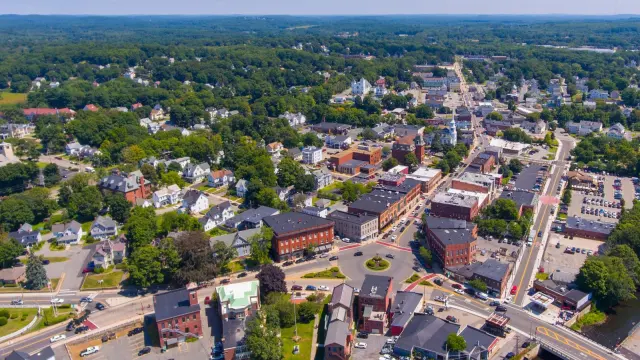
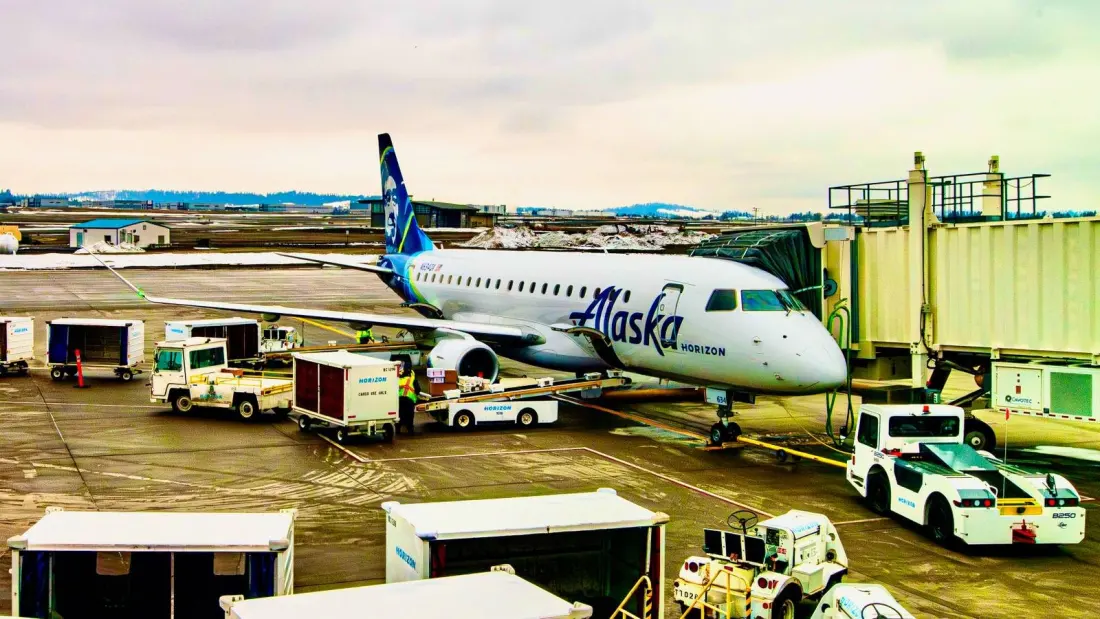
Who should care? Anyone flying Alaska, Delta or Southwest into the Inland Northwest — Spokane is the region's main gateway, about seven miles from downtown, served by seven airlines with Alaska carrying the most traffic, followed by Delta and Southwest. Despite the name, there are no scheduled international flights; the customs facility serves general aviation and charters only. If you're travelling through during construction, build in extra time, know which baggage claim applies to your airline, and arrange any wheelchair assistance in advance through your carrier so it's waiting at the right curb.