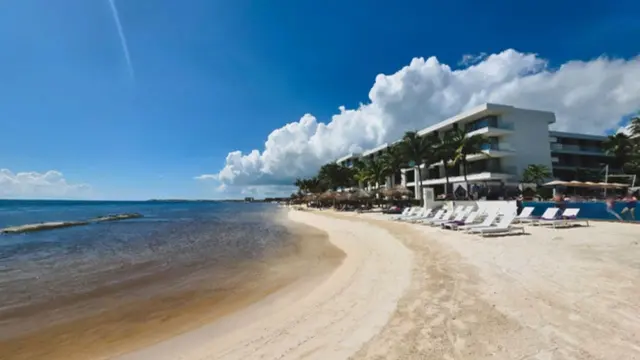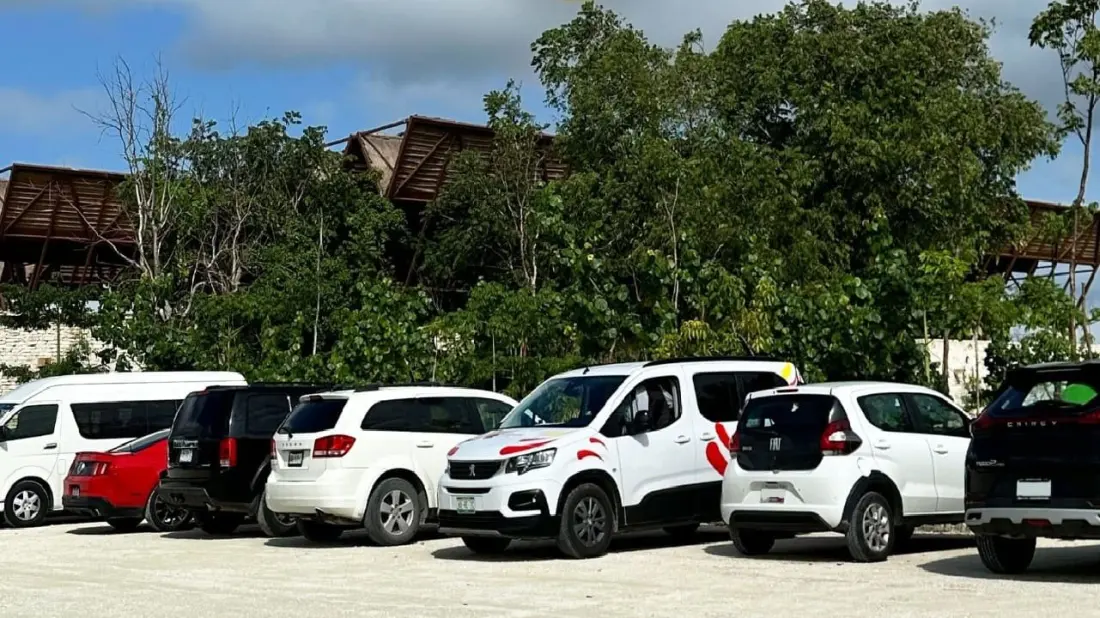
A big chunk of Tulum's beach-and-ruins experience is about to change shape, and the Mexican government wants public input before the bulldozers move in. Semarnat, the environment ministry, has opened a public consultation on a proposed parking lot at the south end of Tulum National Park — better known these days as Jaguar Park — running from November 17 to December 14, 2026.
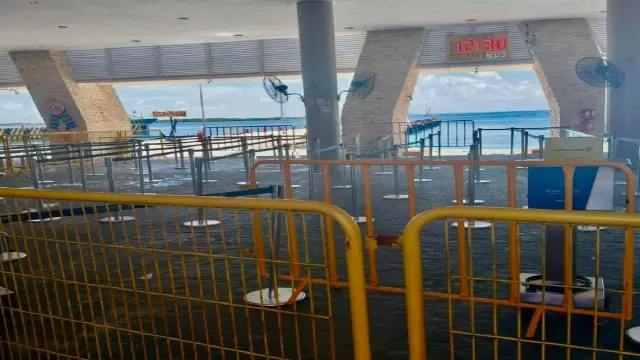
The plan, formally titled "Works for the operational improvement of the Tulum National Park (parking lot)", would add 158 vehicle spaces to the park's southern entrance. Of those, 78 would be conventional open-air stalls, 68 would sit under structures fitted with photovoltaic panels to generate electricity, seven would be reserved for people with reduced mobility, and five would accommodate buses. The design also includes internal roads, access and exit points, and pedestrian walkways at the south access.
The budget is around 48.3 million pesos. The project is being pushed forward by Olmeca-Maya-Mexica — trading as Grupo Mundo Maya — the state-owned operator that runs Jaguar Park and answers to the Ministry of National Defense (Sedena). That's notable in itself: one of Mexico's most visited coastal parks is managed by a military-linked company, which has drawn plenty of attention since the park was rebranded and access rules tightened.
The parking lot is framed as a piece of the wider Tulum Renace Plan, a government programme aimed at reactivating tourism in the municipality after years of growing pains — congestion, informal vendors, environmental strain and patchy services along the beach road.
For travellers, the practical significance is straightforward. Anyone who has tried to reach the Tulum ruins or the park's beach strip by car knows the access problem: narrow entries, scarce legal parking and long walks. A formal lot with bus bays and accessible spaces should make the south entrance far easier to use, especially for families and day-trippers arriving from the hotel zone or Playa del Carmen. The solar roofs also suggest the government is trying to pair better infrastructure with a lighter environmental footprint — a sensitive topic in a national park that shelters jungle, mangrove and coastline.
If the project clears consultation and goes ahead, expect the south access to become the default entry point for drivers, with shuttle-style bus drop-offs for tour groups. Cyclists and pedestrians coming along the beach road shouldn't be affected much, but construction timelines could bring temporary access changes.
The consultation window is the chance for residents, tour operators and regular visitors to comment on the environmental impact study before anything is approved — a process worth watching if you have a trip to Tulum on the horizon in 2027.
Story via Riviera Maya News.