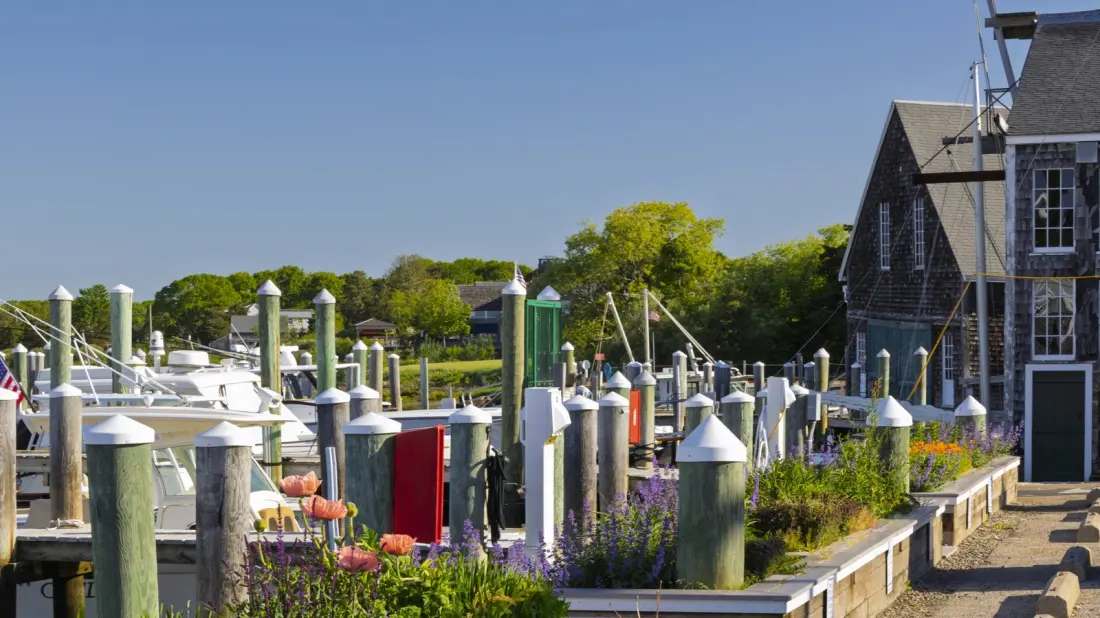
Cape Cod looks like the perfect New England postcard: weathered cottages, lighthouses, dunes and seafood shacks. And it can be exactly that — but locals and repeat visitors say the summer reality comes with a list of gripes worth knowing before you book.
The biggest headache is traffic. The peninsula is fed by just two crossings of the Cape Cod Canal, the Sagamore and Bourne bridges, and with roughly 231,000 year-round residents hosting a massive seasonal surge, the backups are legendary. Route 6 and Route 28 lock up too. Locals suggest back roads like County Road or Falmouth's Sippewissett Road, travelling Sunday to Thursday, and timing weekend arrivals before 2pm or after 9pm on Fridays.
Beach parking is the second complaint — and it's confusing. There's no single authority; rules are set town by town, plus state and National Park agencies. State park lots charge Massachusetts plates $8–14 but non-residents $30–40. Bourne reserves most lots for locals (Monument Beach is the exception), Orleans charges $35 a day at Nauset and Skaket, and some fee seasons have quietly stretched beyond Labor Day. Check the specific beaches you want right before your trip.
Then there's the money. A "modest" Wellfleet cottage rents for about $1,150 a week; a two-bedroom near the water in Dennisport can hit $3,000. One family reported $50 for ice cream. Budget Your Trip pegs the Cape at around $227 per person per day. Crucially, summer 2026 rentals were already roughly half booked by the end of January, with peak weeks near 70% — book early or miss out entirely.
A car is basically mandatory. The Cape runs about 70 miles; Bourne to Provincetown is 90 minutes by car in normal conditions and over three hours by public transport, with no off-season passenger train from Boston. The Cape Cod Regional Transit Authority's buses cover some towns but not everything, and several routes are seasonal.
The Atlantic doesn't match the postcard either. Surface temperatures can sit around 60°F even in July — cold enough for hypothermia within an hour — so wade in gradually and stick to lifeguarded beaches, and have back-up plans like beach bars or sandcastle sessions. Add the great whites: the growing seal population has drawn more sharks, and purple warning flags mean stay out of the water. Incidents remain rare (one fatal, at Wellfleet in 2018; none reported 2019–2024), but alert lifeguards and clear the water if you spot one.
Finally, expect crowds in July and August — Chatham and Provincetown sidewalks get packed, and beach towns can strain under the load. If peace matters, rent outside downtown districts or near the eastern dunes.
Why it matters: none of these issues should scare you off the Cape — they just reward planning. Go off-peak, book accommodation in winter, budget honestly, and research each beach's parking rules in advance, and the classic Cape summer is very much still there for the taking.