Torrential rain on Santa Cruz island at the end of October 2026 flooded neighbourhoods, damaged roads and knocked out water and electricity for more than 2,000 residents. The local government declared an emergency, and the islands — Ecuador's most famous destination — are now dealing with an El Niño event that Ecuador's weather service (INAMHI) expects to keep bringing heavy rain until February 2027.
The good news for travellers: the damage was mostly residential. Hotels, tour operations and flights were barely touched. Rodrigo Jácome, who runs a guesthouse and coffee farm on Santa Cruz, says the flooding hit neighbourhoods away from the main hotel zones (though it wiped out much of his coffee harvest), and tourism resumed within days. The road connecting Santa Cruz to Baltra airport — the main air gateway — reopened on November 5 after flood damage, and flights to Baltra and San Cristóbal were running on normal schedules as of November 9.
Visitor sites are a mixed picture, though. In the Galápagos National Park, Playa El Garrapatero on Santa Cruz has reopened, but Las Grietas, El Chato and El Puntudo remain closed. On San Cristóbal, La Lobería and Punta Carola are accessible while Puerto Chino and Playa Baquerizo are shut. Isabela's Los Humedales sector is closed, and Tortuga Bay was scheduled to close from November 9–18 as a precaution against tide changes. The UK Foreign Office updated its Ecuador advisory on November 1, telling travellers to follow local instructions and confirm arrangements with operators.
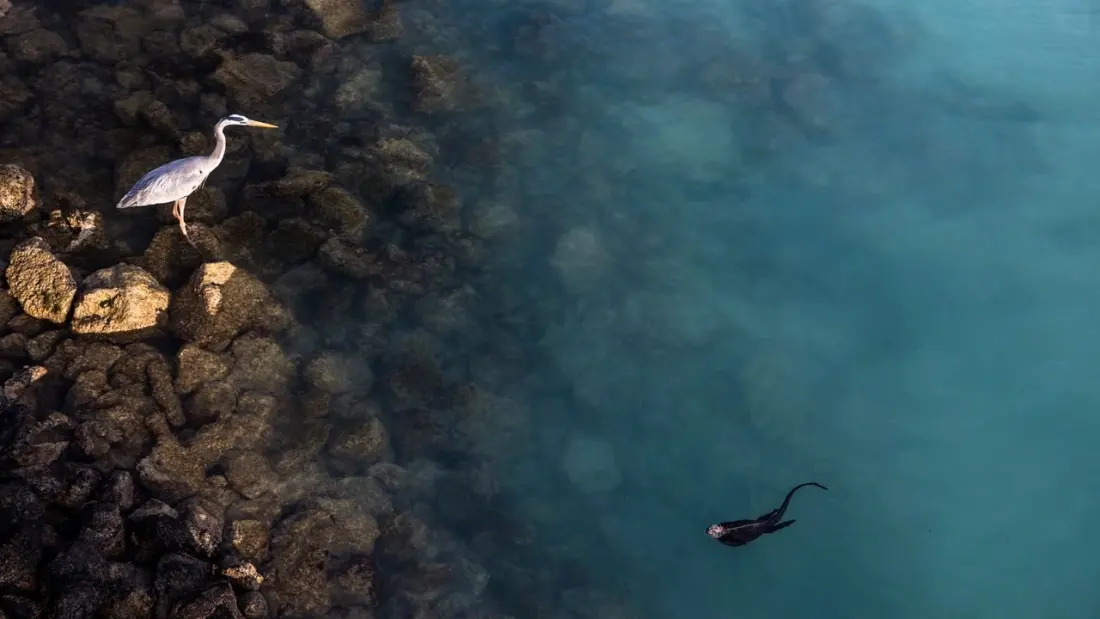
Local guides are urging people not to cancel. Naturalist Whitman Cox says visitors can still come and should simply expect patience-testing delays between destinations. Charles Wittmer, president of boat operators' association ADATUR, points out that El Niño rolls around every 10–15 years, and that changing ocean conditions can actually improve wildlife watching — penguins and cormorants adapt to the warmer waters, and snorkellers may spot a wider mix of species.
Practical advice from those on the ground: confirm flights and excursions directly with your operator before departure, ask daily for updates from guides, and check the Galápagos National Park and INAMHI for closures and forecasts. Travel insurance covering weather disruption is a smart buy, and pack rain gear plus waterproof bags for electronics and documents. Build slack into connections and boat transfers.
There's also a way to help. Tourism income is urgently needed for recovery, so booking locally owned stays, hiring licensed guides and eating at independent restaurants goes further than usual. Locals ask that visitors stay out of damaged neighbourhoods and not photograph residents dealing with the aftermath. If you're travelling soon, your hotel or guide can route donated supplies — water purification tablets, first-aid kits, hygiene items — to affected families. Donations from afar are being collected by the Charles Darwin Foundation, Universidad San Francisco de Quito's SOS Galapagos fund, and Fundación Torraja, which runs a community kitchen for families who lost their belongings.