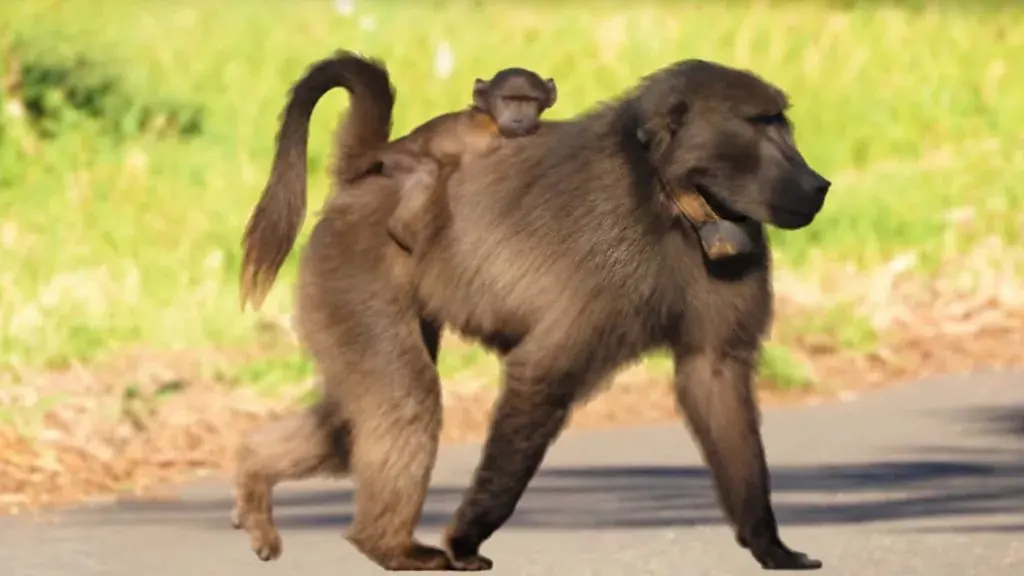
A well-known figure on the Cape Peninsula has been killed. Collar, the alpha male of the Groot Olifantsbos chacma baboon troop, was shot dead sometime between the afternoon of 12 November and the morning of 13 November. The Cape of Good Hope SPCA has put up a R15,000 reward for information leading to those responsible, bolstered by two anonymous donors who each pledged R5,000.
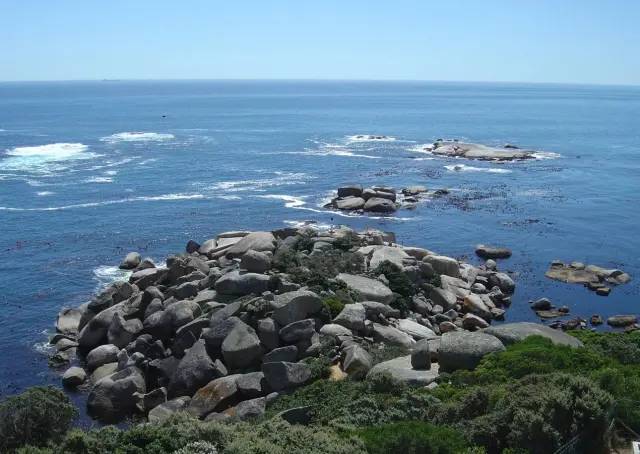
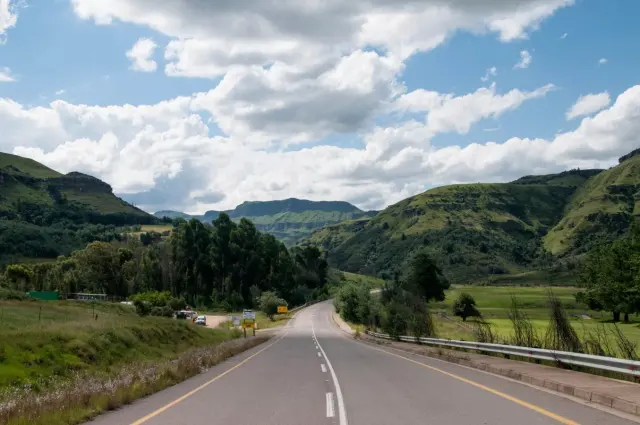
Collar's troop lives mostly inside the Cape of Good Hope section of Table Mountain National Park, near the coastal village of Scarborough — an area many visitors drive through on the peninsula's scenic loop. He was found under the pine trees where the troop typically sleeps at night, with a projectile wound to his chest. The SPCA's Inspectorate is collecting evidence but says criminal charges will be hard to secure without witnesses.
This is the second troop leader lost in a matter of weeks. Fluffy, alpha male of the CT2 troop closer to Cape Town's southern suburbs, was euthanised in October after being hit by pellets. Together, the deaths have sharpened an already heated debate about how baboons are managed on the peninsula, where the animals range across urban edges, hiking trails and national park land.
Public feeling is running high. More than 100 people gathered at Kogelfontein on Sunday to protest the relocation of the Waterfall troop, part of a broader argument over conservation, resident safety and who gets to decide how wildlife is handled. The SPCA's message after Collar's death was blunt: cruelty must have consequences. Anyone with information can contact the Inspectorate by phone on 021 700 4158/9, via WhatsApp on 021 700 4140, or by email.
For travellers, this story matters because the chacma baboons are one of the Cape Peninsula's signature wildlife experiences — you can reasonably expect to see them around Cape Point, Scarborough, Smitswinkel Bay and the roads through the national park. But their presence is fragile and contested, and the rules around them are strict: feeding baboons is illegal, and habituating them to humans puts the whole troop at risk of removal or worse. Drive slowly through baboon zones, keep car windows closed, stash food out of sight, and keep a respectful distance if you encounter a troop on a trail. Alpha males like Collar are the backbone of troop stability, and losing them disrupts groups that visitors have come to know for years. If you're heading to Cape Point or the far south peninsula, this is also a good moment to support the local organisations working on baboon welfare and human-wildlife coexistence — the situation on the ground is genuinely tense right now.
Originally reported by Getaway South Africa, via Cape {town} Etc.