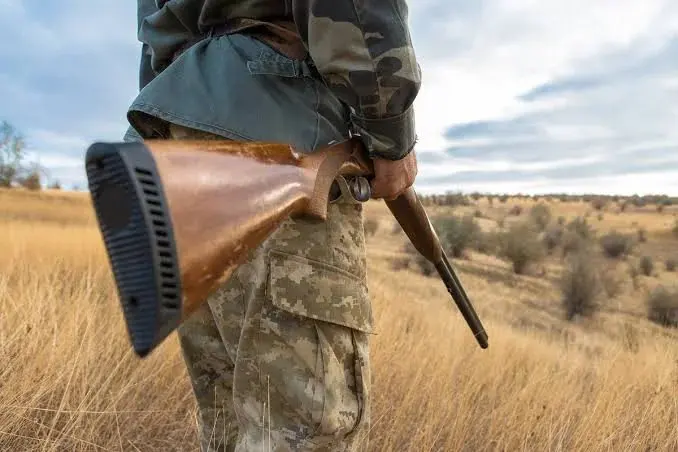
Kyrgyzstan has confirmed the framework for its 2026 hunting season, which runs from 15 August to 13 December. But before anyone books a trip around it, note the catch: those dates are only the outer envelope. Each species gets its own window and its own quota, set under the country's Law on Hunting and Hunting Management and the Hunting Rules approved by Cabinet of Ministers Resolution No. 55 in February 2025.
The headline species are classic Central Asian game: Siberian ibex, roe deer, wild boar, plus birds like pheasants and chukars. Hunting any of them is legal only within the season, within the quota, and with permits in hand. The annual quota for wildlife use is capped at 150 animals overall. This year alone, permits were issued for 133 Marco Polo sheep — the iconic argali relative that draws serious international hunters to the high Pamir and Tian Shan ranges.
Paperwork matters here. A hunting licence, a separate hunting permit and relevant authorisation documents are all required for a legal hunt. Missing any of them turns the trip into a very expensive problem: compensation for illegally killing certain species is steep. Shooting a snow leopard costs 2 million soms (roughly $23,000), while an argali, red deer or brown bear carries a 1.5 million som penalty. Even a Siberian ibex, a legally huntable species in season, is valued at 300,000 soms when taken illegally.
Why should a click.holiday reader care? Most visitors to Kyrgyzstan come for trekking, horseback trips and alpine lakes rather than guns — but the season shapes what you'll encounter. Autumn in the mountains can coincide with hunters sharing the same valleys and pastures as herders and trekkers, especially in regions popular for wildlife watching. If you're hoping to spot Marco Polo sheep, ibex or (on the rarest of lucky days) a snow leopard, you'll want to know where and when regulated hunting is happening, and perhaps time your trek for later in winter or spring instead. For the small niche of travelling hunters, the story is simpler: the season is real, short and strictly quota-managed, so bookings with licensed outfitters need to be made well ahead of August.
The broader takeaway is that Kyrgyzstan takes its wildlife rules seriously, even as it opens a controlled hunting market. Conservationists will note that heavy penalties for snow leopards and argali signal where the red lines are. Travellers of every kind should treat the same logic as good field guidance: respect protected species, hire local guides who know the rules, and check current regulations before venturing into hunting territory — the dates and quotas can shift year to year.
For most holidaymakers the practical action is one of awareness: if you're hiking the high country between August and mid-December, expect some hunting activity, ask your trek operator about it, and keep distance from any hunt in progress.